Reclaim Your Mobility: The Essential Role of Physical Therapy in Total Knee Replacement Recovery
Total knee replacement surgery, or total knee arthroplasty (TKA), is a life-changing procedure for individuals suffering from severe knee pain and disability, often caused by arthritis or injury. While the surgery itself addresses the damaged joint, it's merely the first step on the journey to restored function and a pain-free life. The true success of a knee replacement hinges significantly on what comes next: dedicated and comprehensive physical therapy.
At Physical Therapy NOW™ in Palmetto Bay, FL, we understand the anxieties and hopes that accompany a total knee replacement. Our specialized team is dedicated to guiding you through every phase of your recovery, ensuring you regain strength, flexibility, and confidence. This article explores how physical therapists are instrumental in optimizing your TKA outcomes. Why Physical Therapy is Crucial After Total Knee Replacement
Imagine undergoing major surgery. Your body needs time and expert guidance to heal and adapt. Physical therapy serves as your personalized roadmap to recovery, preventing complications, accelerating healing, and maximizing the new joint's potential. Without it, you risk stiffness, weakness, and persistent pain, compromising the long-term success of your surgery. Preventing Stiffness and Improving Range of Motion
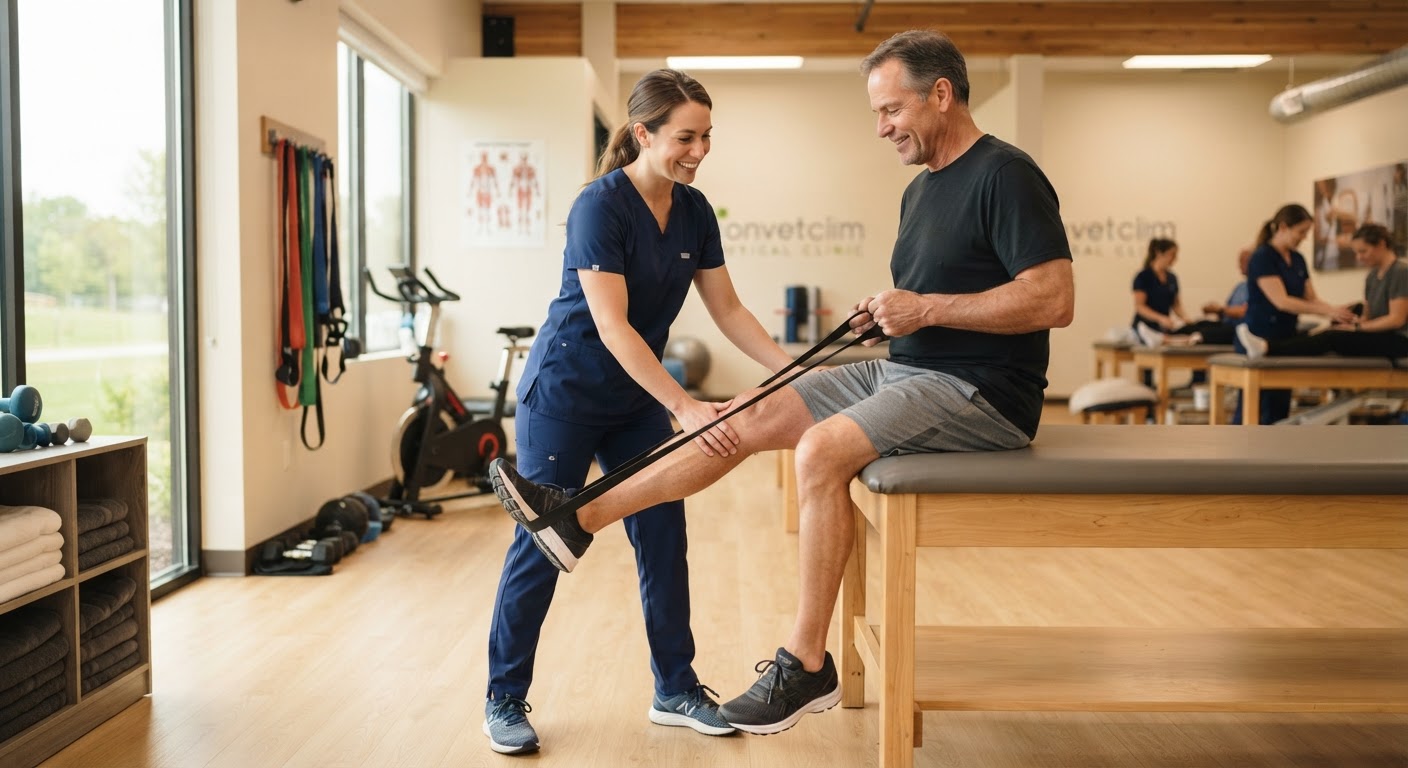
One of the most immediate and critical goals after TKA is to restore your knee's range of motion. The longer your knee remains still, the more likely it is to stiffen, making bending and straightening difficult. Our physical therapists employ gentle, progressive exercises and manual techniques to encourage movement, prevent scar tissue formation, and ensure your knee can bend and straighten effectively for daily activities like walking, climbing stairs, and sitting. Strengthening Muscles Around the New Joint
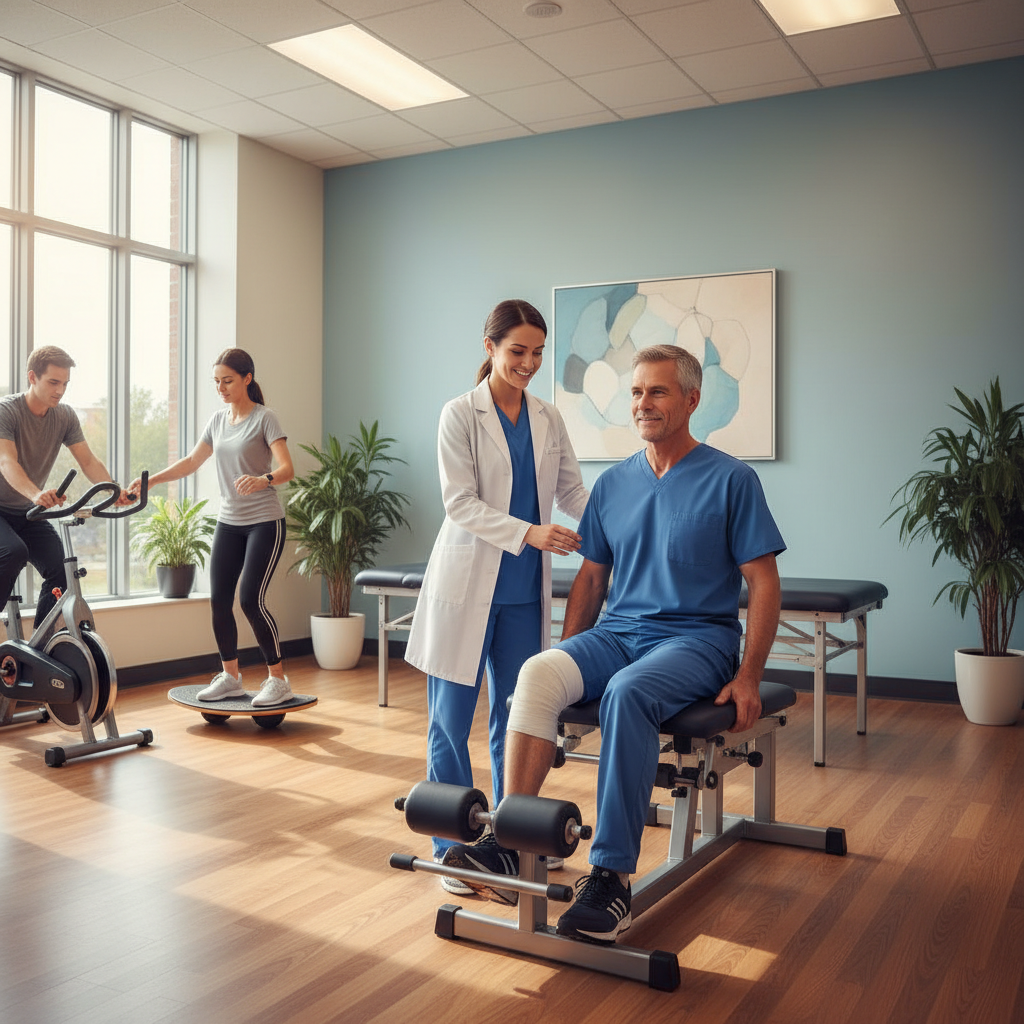
The muscles surrounding your knee, particularly the quadriceps, often weaken significantly due to pre-surgical pain, inactivity, and the surgery itself. Strong muscles are vital for supporting your new knee, improving stability, and enabling efficient movement. Our programs at Physical Therapy NOW™ focus on targeted strengthening exercises for the quadriceps, hamstrings, glutes, and calf muscles, building a strong foundation for your everyday activities. Restoring Balance and Proprioception
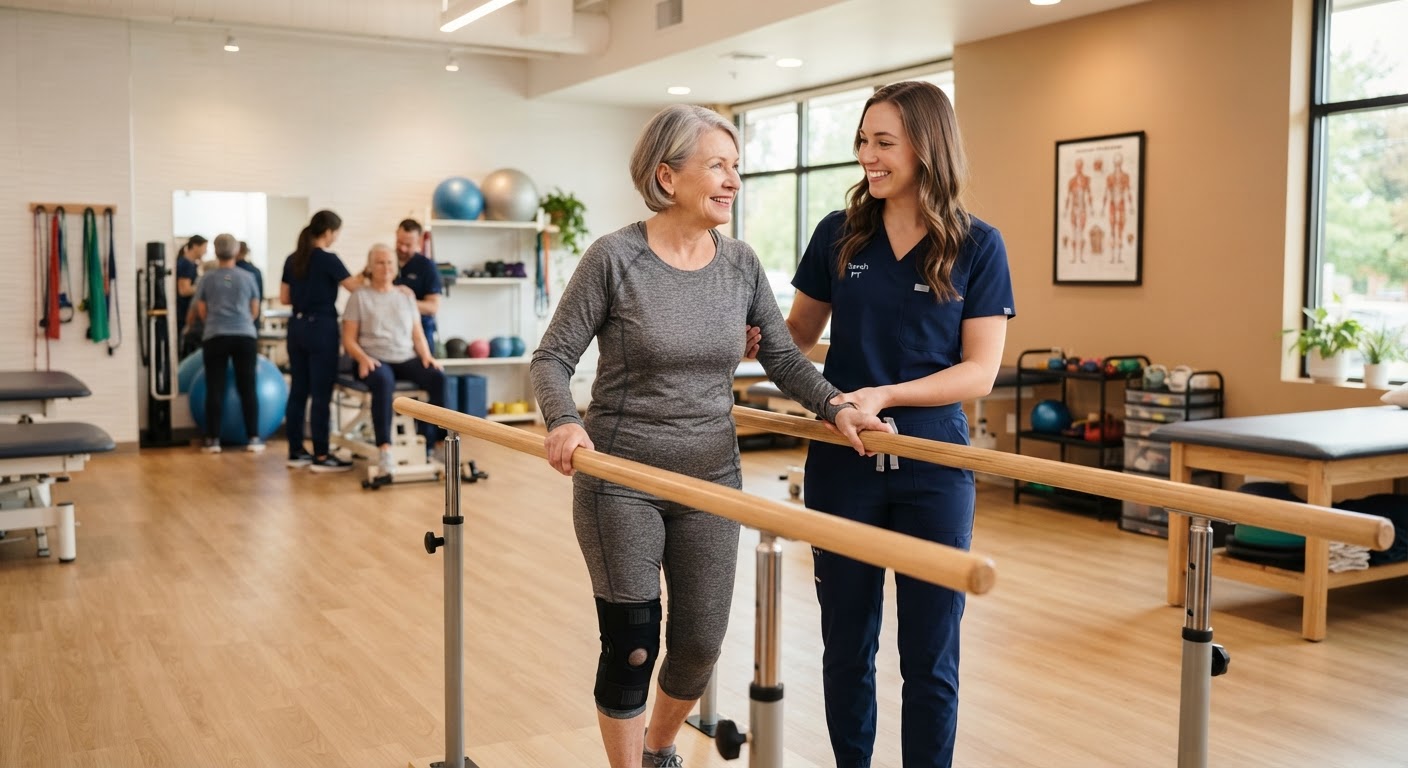
Balance can be compromised after knee surgery. Proprioception, your body's sense of its position in space, is also often affected. Physical therapists introduce balance training exercises, starting with supported activities and gradually progressing to more challenging movements, to help you regain stability and reduce your risk of falls. Pain Management and Swelling Reduction
While physical therapy involves movement, it also plays a key role in managing post-operative pain and swelling. Our therapists use various modalities, including ice, heat, gentle massage, and therapeutic exercises, to alleviate discomfort and reduce inflammation, allowing you to participate more comfortably in your rehabilitation. The Physical Therapy NOW™ Approach to TKA Rehabilitation
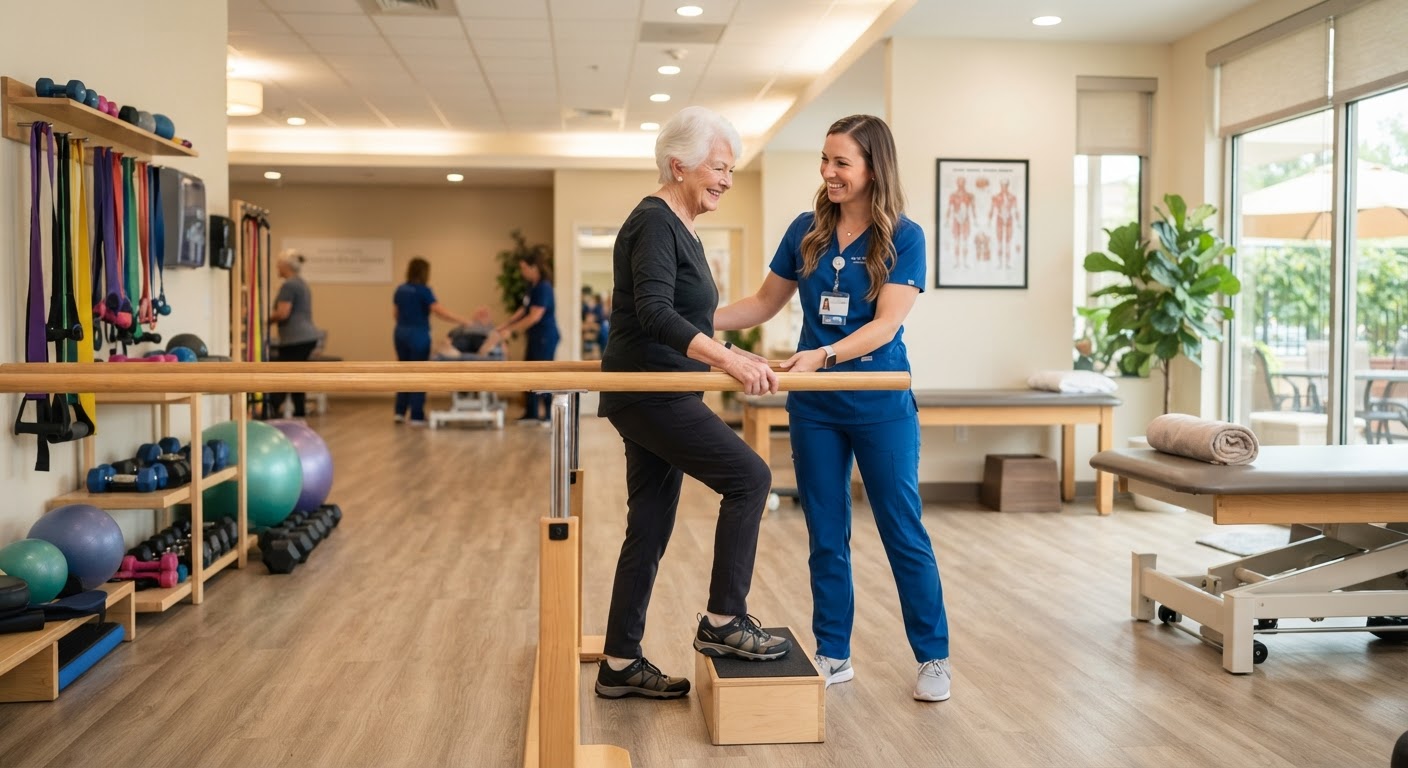
Our comprehensive rehabilitation program for total knee replacement patients typically begins very soon after surgery, often within 24-48 hours, even while you're still in the hospital. The journey continues with outpatient sessions at our Palmetto Bay clinic, meticulously tailored to your individual needs and recovery pace. Phase 1: Early Post-Operative (Hospital/First Few Weeks Outpatient) • Initial Evaluation: A thorough assessment of your current range of motion, strength, pain levels, and functional abilities. • Gentle Range of Motion Exercises: Passive and active-assisted movements to prevent stiffness and improve knee flexion and extension. • Early Strengthening: Isometric exercises for quadriceps and glutes to activate muscles without stressing the joint. • Gait Training: Learning to walk safely with appropriate assistive devices (walker, crutches) and proper weight-bearing techniques. • Pain and Swelling Management: Education on ice application, elevation, and gentle movements to control discomfort. Phase 2: Intermediate Recovery (Weeks 3-8) • Progressive Range of Motion: Advancing exercises to achieve full or near-full knee bending and straightening. • Intensified Strengthening: Incorporating resistance bands, light weights, and bodyweight exercises to rebuild muscle strength and endurance. • Balance Training: Single-leg stands, uneven surface walking, and dynamic balance activities. • Stair Training: Practicing safe and efficient techniques for ascending and descending stairs. • Functional Mobility: Working on tasks like getting in and out of a chair, bending, and reaching. Phase 3: Advanced Recovery & Return to Activity (Weeks 9+) • High-Level Strengthening: Incorporating more challenging exercises to prepare for specific activities. • Agility and Sport-Specific Training: For patients aiming to return to recreational sports or more demanding activities, tailored exercises are introduced. • Endurance Training: Promoting cardiovascular health and muscle stamina. • Long-Term Home Exercise Program: Education on maintaining gains and preventing future issues.
Throughout these phases, our therapists at Physical Therapy NOW™ continually assess your progress, adjust your program as needed, and provide invaluable education on protecting your new joint, proper body mechanics, and self-management strategies. Practical Tips for a Successful TKA Recovery
1. Commit to Your Program: Consistency is key. Attend all your physical therapy sessions and diligently perform your home exercises. 2. Communicate: Talk openly with your therapist about your pain, concerns, and progress. They are your best resource. 3. Manage Pain Proactively: Don't let pain derail your progress. Use prescribed medication as directed and apply ice as recommended. 4. Prioritize Rest: While activity is crucial, adequate rest allows your body to heal and recover. 5. Set Realistic Goals: Recovery is a marathon, not a sprint. Celebrate small victories and be patient with your body. 6. Maintain a Healthy Lifestyle: Good nutrition and avoiding smoking can significantly aid in healing. Your Partner in Recovery in Palmetto Bay, FL
Undergoing a total knee replacement is a significant decision, and your recovery deserves the highest level of care. At Physical Therapy NOW™, our experienced and compassionate physical therapists are dedicated to helping you achieve the best possible outcome. We are proud to serve the Palmetto Bay community, empowering individuals to move better, feel better, and live life to the fullest after their surgery.
Don't leave your recovery to chance. Partner with the experts who understand the intricate journey of knee replacement rehabilitation. Ready to Start Your Journey to a Pain-Free Life?
If you're preparing for or recovering from a total knee replacement, we invite you to experience the difference expert physical therapy can make. Contact Physical Therapy NOW™ today to schedule your initial consultation at our Palmetto Bay location. Let us help you reclaim your mobility and get back to doing the things you love.
Call us now at [Your Clinic Phone Number] or visit us at [Your Clinic Website] to book an appointment!
Ready to start feeling better?
Physical Therapy NOW™ has 40+ Florida locations with same-week appointments. Most insurance, auto accident (PIP), workers' compensation and Medicare accepted.