The Indispensable Role of Physical Therapy in Total Knee Replacement Recovery
Undergoing a total knee replacement (TKR) is a significant step toward alleviating chronic knee pain and restoring mobility. While the surgical procedure itself is a marvel of modern medicine, the journey to a fully functional knee doesn't end when you leave the operating room. In fact, one of the most critical components of a successful recovery is comprehensive physical therapy. At Physical Therapy NOW™, we understand the intricacies of this journey and are dedicated to guiding you every step of the way.
For residents of Dallas, TX, especially those near our Irving location, understanding the benefits of expert physical therapy for knee replacement can make all the difference in your outcome. This article will delve into how physical therapists help you regain strength, flexibility, and confidence after a total knee replacement. Why is Physical Therapy Essential for Knee Replacement?
A total knee replacement involves removing damaged bone and cartilage and replacing them with prosthetic components. While this eliminates the source of pain, the surrounding muscles, tendons, and ligaments have been affected by years of arthritis and then by the surgery itself. Without proper rehabilitation, the new knee won't function optimally, and you might not achieve the full range of motion or strength needed for daily activities.
Physical therapy serves several vital roles: • Restoring Range of Motion: Immediately after surgery, swelling and pain can limit movement. PT helps gently restore your knee's ability to bend and straighten. • Building Strength: Muscles around the knee often weaken due to disuse and surgery. Targeted exercises strengthen these muscles, providing stability and support for your new joint. • Improving Balance and Gait: A new knee can affect your sense of balance and how you walk. Physical therapists work on improving your gait pattern and preventing falls. • Pain Management: Through various techniques, PT can help manage post-operative pain and reduce reliance on medication. • Education and Guidance: Learning how to protect your new knee, perform daily tasks safely, and continue your recovery at home is crucial. Your Physical Therapy Journey: Pre-Op to Post-Op Pre-Operative Physical Therapy: Preparing for Success
While often overlooked, pre-operative physical therapy, or "prehab," can significantly impact your recovery. Engaging in PT before your surgery can: • Strengthen Surrounding Muscles: The stronger you are going into surgery, the better equipped your body will be to recover. • Improve Range of Motion: Maximizing flexibility before surgery can lead to faster gains afterward. • Educate You on What to Expect: Understanding post-operative exercises, precautions, and equipment (like walkers or crutches) can reduce anxiety and prepare you for a smoother transition home. • Establish a Baseline: Your physical therapist will assess your current strength, range of motion, and functional abilities, which helps tailor your post-operative program. Immediate Post-Operative Physical Therapy: The First Steps
Physical therapy usually begins within 24-48 hours after surgery, often while you're still in the hospital. The initial focus is on: • Pain Management: Techniques such as ice and elevation, alongside gentle movement, help control pain. • Gentle Range of Motion Exercises: Passive and active-assisted exercises are introduced to prevent stiffness and scar tissue formation. • Ankle Pumps and Foot Circles: To promote circulation and reduce the risk of blood clots. • Getting Out of Bed and Walking: With assistance, you'll begin standing and taking a few steps using an assistive device (walker or crutches). In-Clinic Rehabilitation: Building Momentum
Once discharged from the hospital, your rehabilitation continues either at home with home health services or, more commonly and effectively, at an outpatient clinic like Physical Therapy NOW™ in Irving, Dallas, TX. This phase is intensive and critical for long-term success.
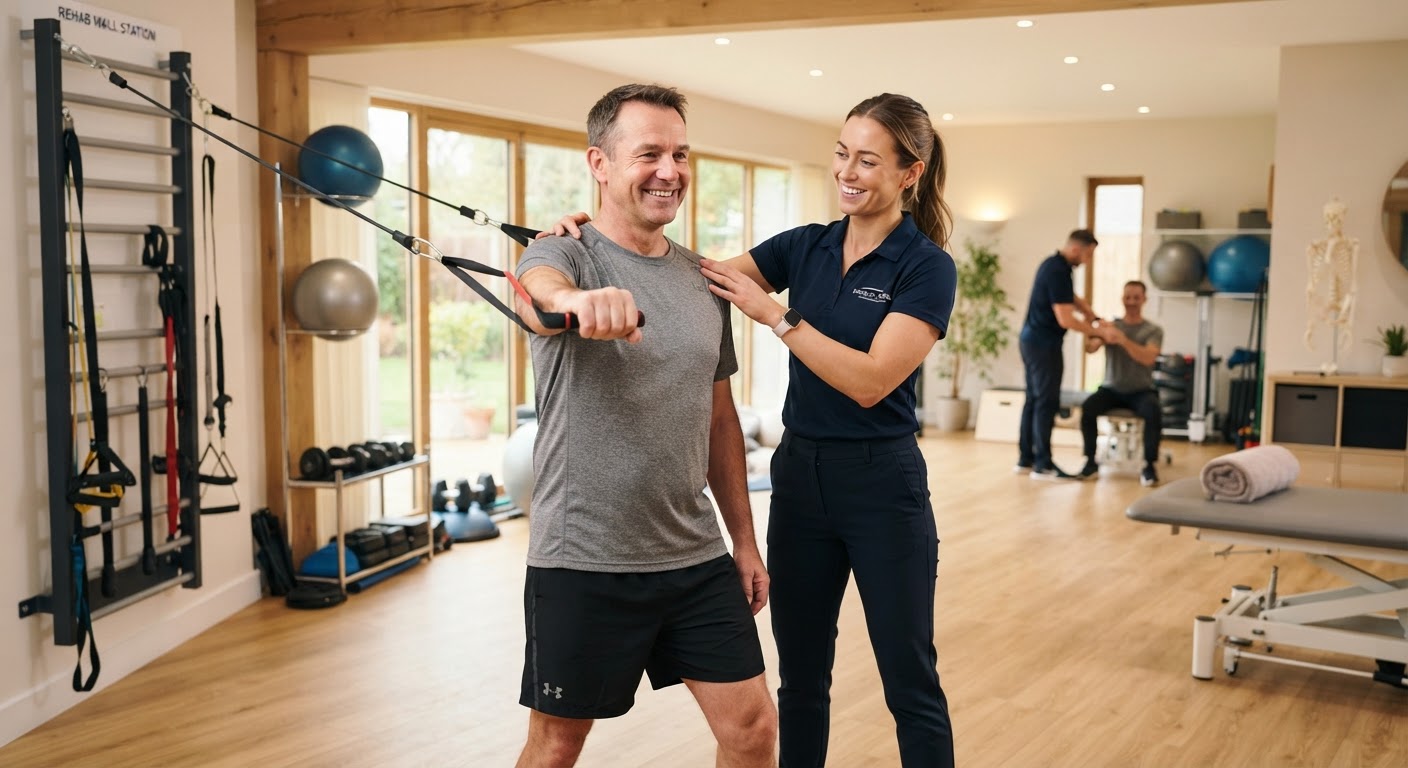
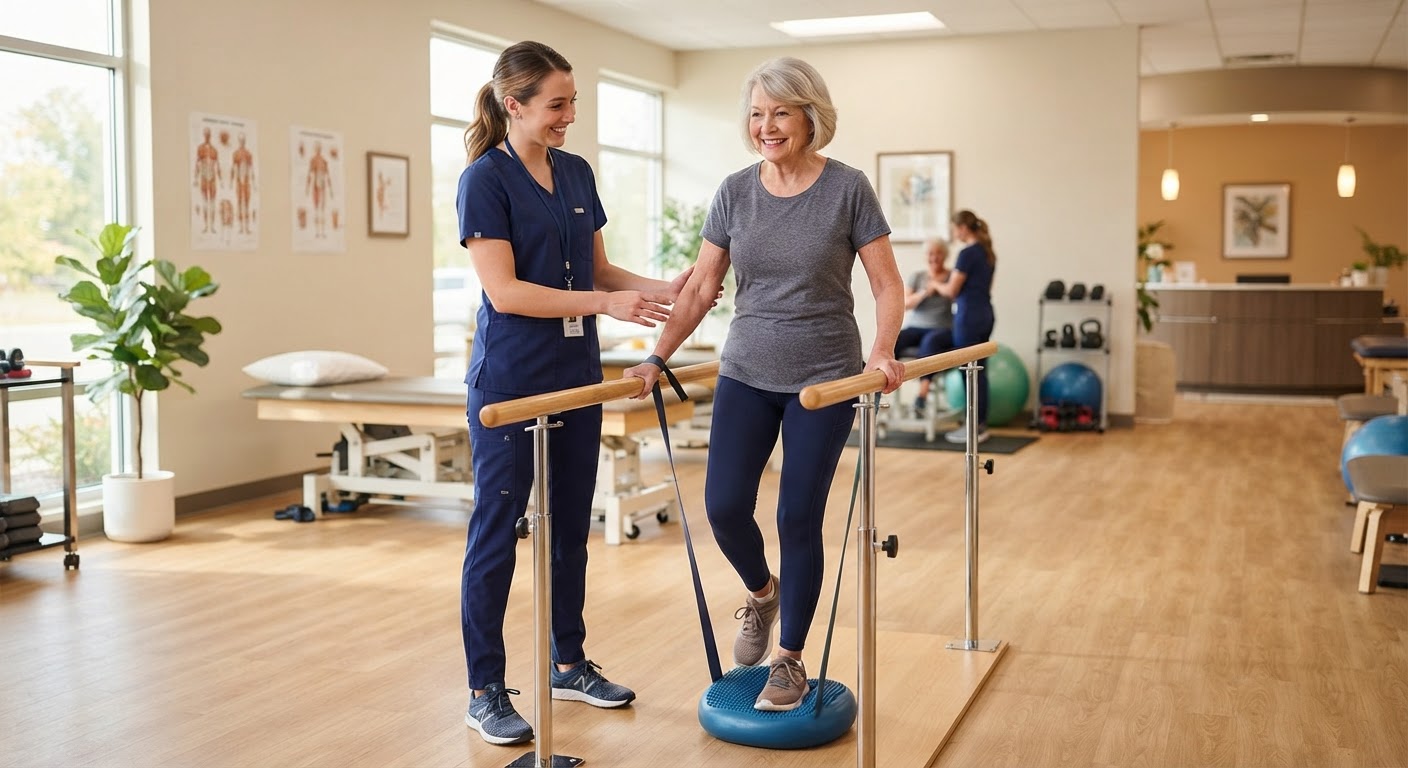
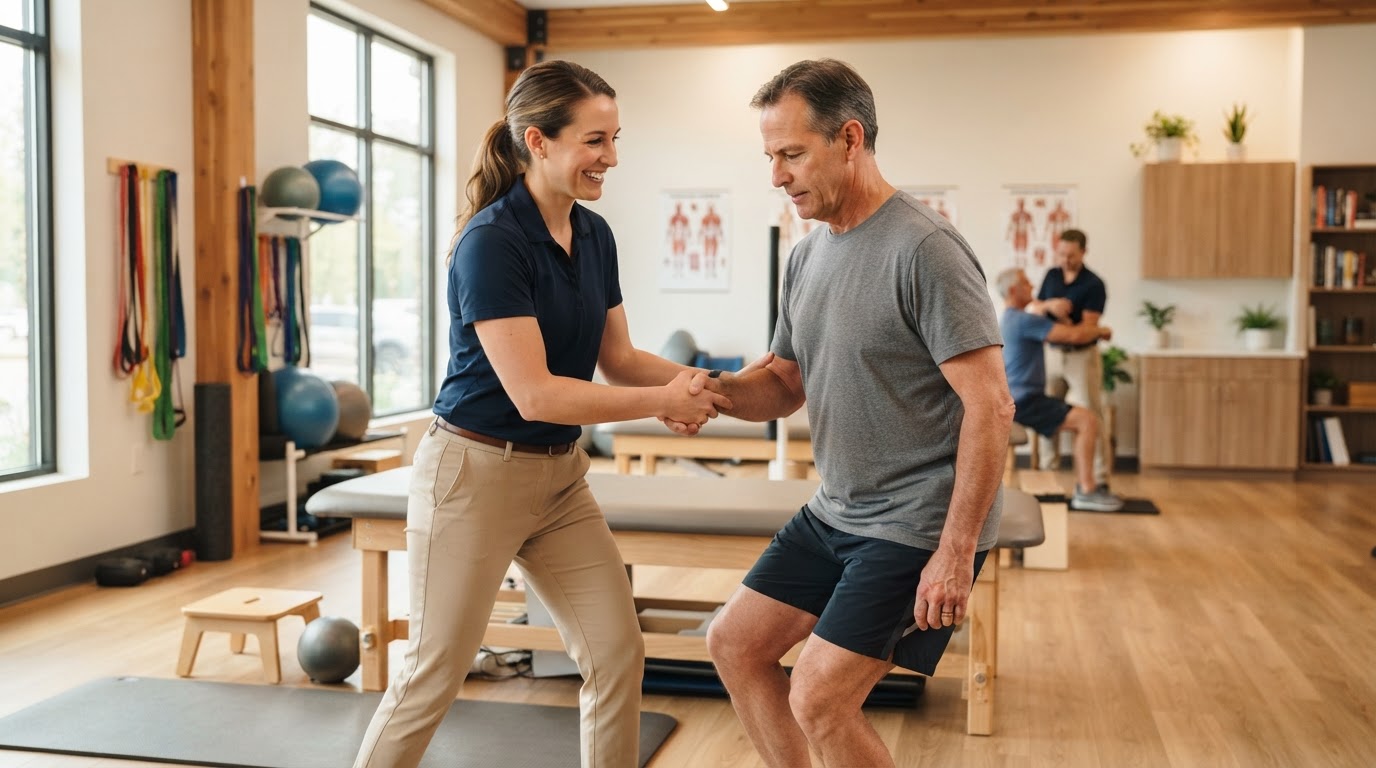
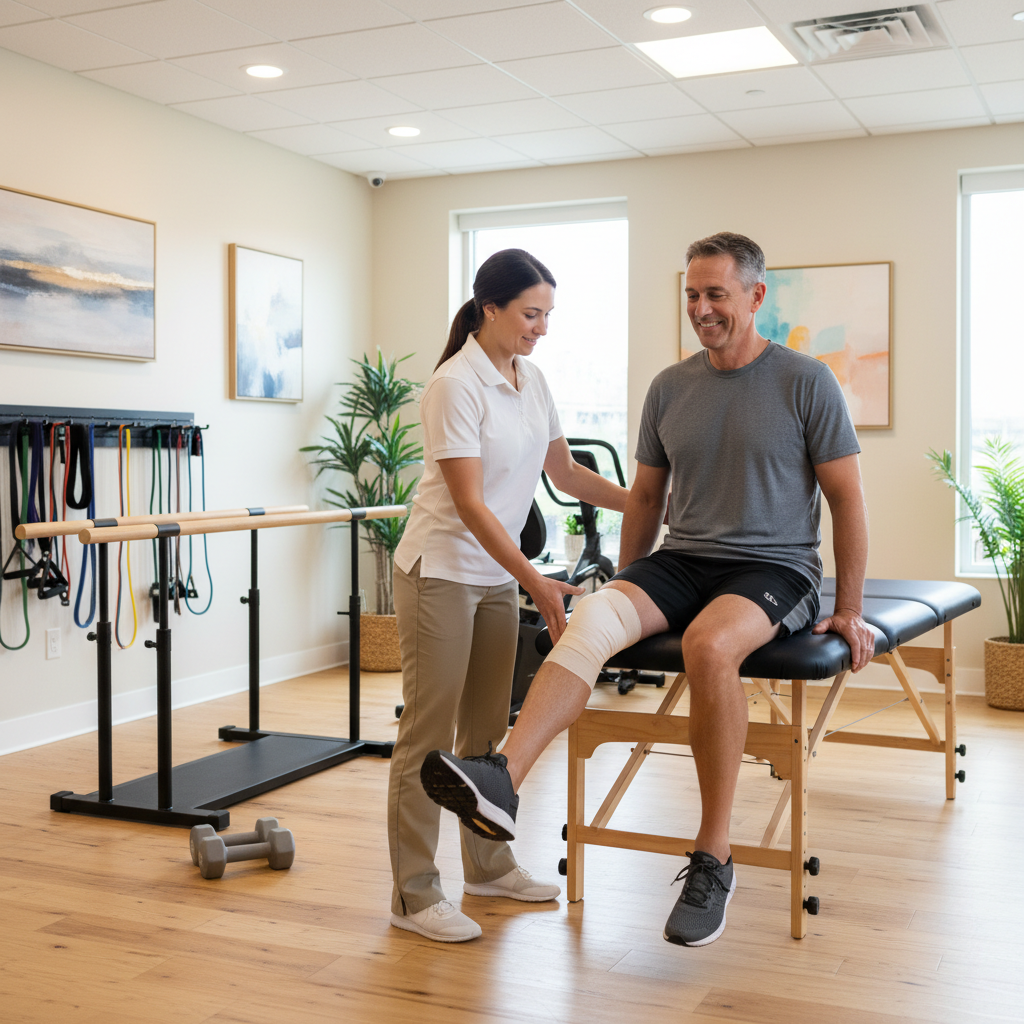
Your physical therapist will design a personalized program focusing on: • Progressive Range of Motion: Gradually increasing the bend and straighten of your knee through exercises, manual therapy, and potentially a Continuous Passive Motion (CPM) machine. • Strengthening Exercises: Targeting quadriceps, hamstrings, glutes, and calf muscles using bodyweight, resistance bands, and light weights. • Balance and Proprioception Training: Exercises like single-leg stands, uneven surface walking, and agility drills to improve stability. • Gait Training: Refinishing your walking pattern to be smooth and efficient, eventually progressing away from assistive devices. • Stair Climbing and Functional Activities: Practicing real-world movements like getting in and out of chairs, climbing stairs, and reaching. • Scar Tissue Management: Techniques to prevent scar tissue from restricting movement. Home Exercise Program: Continuing Your Progress
An essential part of your recovery is diligently performing your prescribed home exercise program (HEP). Your physical therapist will provide clear instructions and educate you on proper form. Consistency with your HEP helps reinforce gains made in the clinic and ensures continuous progress toward your goals. This self-management is key to maintaining your improved function long after formal therapy concludes. Practical Tips for a Successful Knee Replacement Recovery
1. Communicate Openly: Talk to your surgeon and physical therapist about any pain, concerns, or difficulties you're experiencing. Your team is there to help. 2. Follow Instructions: Adhere strictly to your physical therapist's exercise regimen and any precautions given by your surgeon. 3. Manage Pain Proactively: Take pain medication as prescribed, especially before therapy sessions, to allow for more productive work. 4. Prioritize Movement: While rest is important, consistent, gentle movement within safe limits is crucial for preventing stiffness. 5. Set Realistic Goals: Recovery is a marathon, not a sprint. Celebrate small victories and understand that some days will be better than others. 6. Stay Hydrated and Eat Nutritiously: Proper nutrition supports healing and provides energy for rehabilitation. 7. Create a Safe Home Environment: Remove tripping hazards, ensure good lighting, and have assistive devices readily available. Choose Physical Therapy NOW™ for Your Knee Replacement Journey
At Physical Therapy NOW™, we pride ourselves on delivering individualized, evidence-based care. Our experienced physical therapists in Dallas, TX, are experts in post-surgical rehabilitation, particularly for total knee replacements. We utilize the latest techniques and technologies to optimize your recovery, reduce pain, and get you back to the activities you love.
Our commitment extends beyond just exercises; we provide comprehensive education, unwavering support, and a compassionate environment to empower you through every phase of your rehabilitation. Your successful outcome is our primary goal. Take the Next Step Towards a Pain-Free Life
Don't let post-surgical uncertainty limit your recovery. With the right physical therapy, you can achieve remarkable results after your total knee replacement. If you're considering or have recently undergone a knee replacement, contact Physical Therapy NOW™ today. Our dedicated team at our Irving location is ready to help you regain your mobility, strength, and independence.
Call us now to schedule your initial consultation and let us partner with you on your journey to a stronger, more active future! Your new knee deserves the best care, and we're here to provide it.
Ready to start feeling better?
Physical Therapy NOW™ has 40+ Florida locations with same-week appointments. Most insurance, auto accident (PIP), workers' compensation and Medicare accepted.