Reclaiming Your Stride: How Physical Therapy Propels Your Total Knee Replacement Recovery
Total knee replacement (TKR), also known as total knee arthroplasty, is a life-changing surgical procedure for individuals suffering from severe knee pain and disability due to arthritis or injury. While the surgery itself addresses the damaged joint, the journey to a fully functional and pain-free knee doesn't end in the operating room. In fact, a crucial component of a successful recovery is comprehensive physical therapy.
At Physical Therapy NOW™ in Fort Lauderdale, FL, our dedicated team understands the nuances of knee replacement rehabilitation. We're here to guide you through every step, ensuring you regain strength, mobility, and confidence to return to the activities you love. This article will delve into the vital role of physical therapy in TKR recovery, outlining how our experts can help you achieve the best possible outcomes. The Indispensable Role of Physical Therapy in TKR Recovery
Why is physical therapy so critical after a total knee replacement? The answer lies in the body's natural response to surgery and the intricate mechanics of the knee joint. After TKR, you'll experience pain, swelling, and stiffness. Muscles surrounding the knee may weaken due to disuse and surgical trauma. Physical therapy addresses these challenges head-on, facilitating optimal healing and long-term success. Early Mobilization and Pain Management
One of the first goals after surgery is early mobilization. While it might seem counterintuitive to move a recently operated knee, carefully guided movement is essential to prevent stiffness, reduce swelling, and promote circulation. Your physical therapist at Physical Therapy NOW™ will help you with gentle exercises that encourage range of motion, often starting within a day or two of surgery.
Simultaneously, we'll work with you on pain management strategies. This includes understanding the appropriate use of pain medication, applying ice, and gentle exercises that can naturally alleviate discomfort. Regaining Full Range of Motion
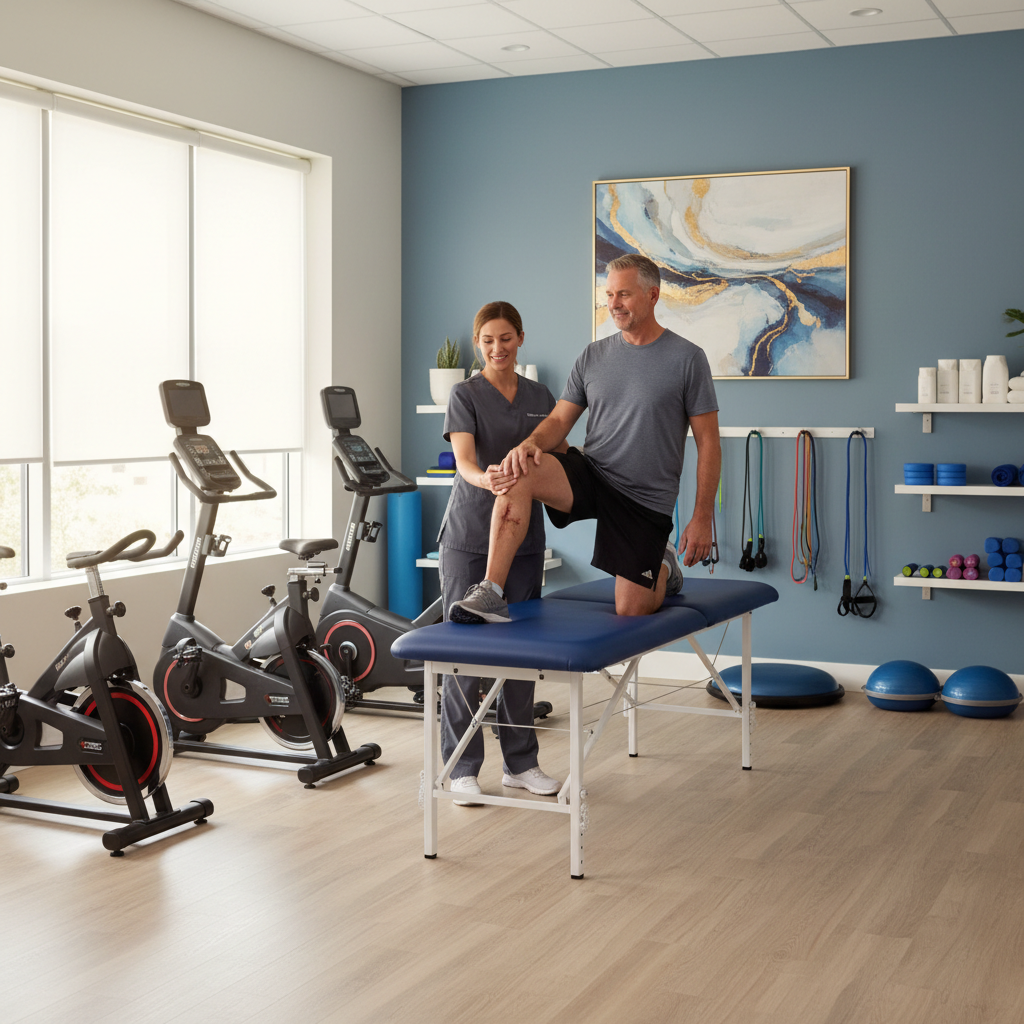
Stiffness is a common post-TKR complaint. Achieving full extension (straightening the knee) and adequate flexion (bending the knee) is paramount for walking, climbing stairs, and participating in daily activities. Your therapist will employ various techniques, including passive range of motion (where the therapist moves your leg), active-assisted range of motion (you assist in moving your leg), and active range of motion exercises. Stretching and manual therapy techniques are also crucial to breaking down scar tissue and improving joint flexibility. Strengthening Key Muscle Groups
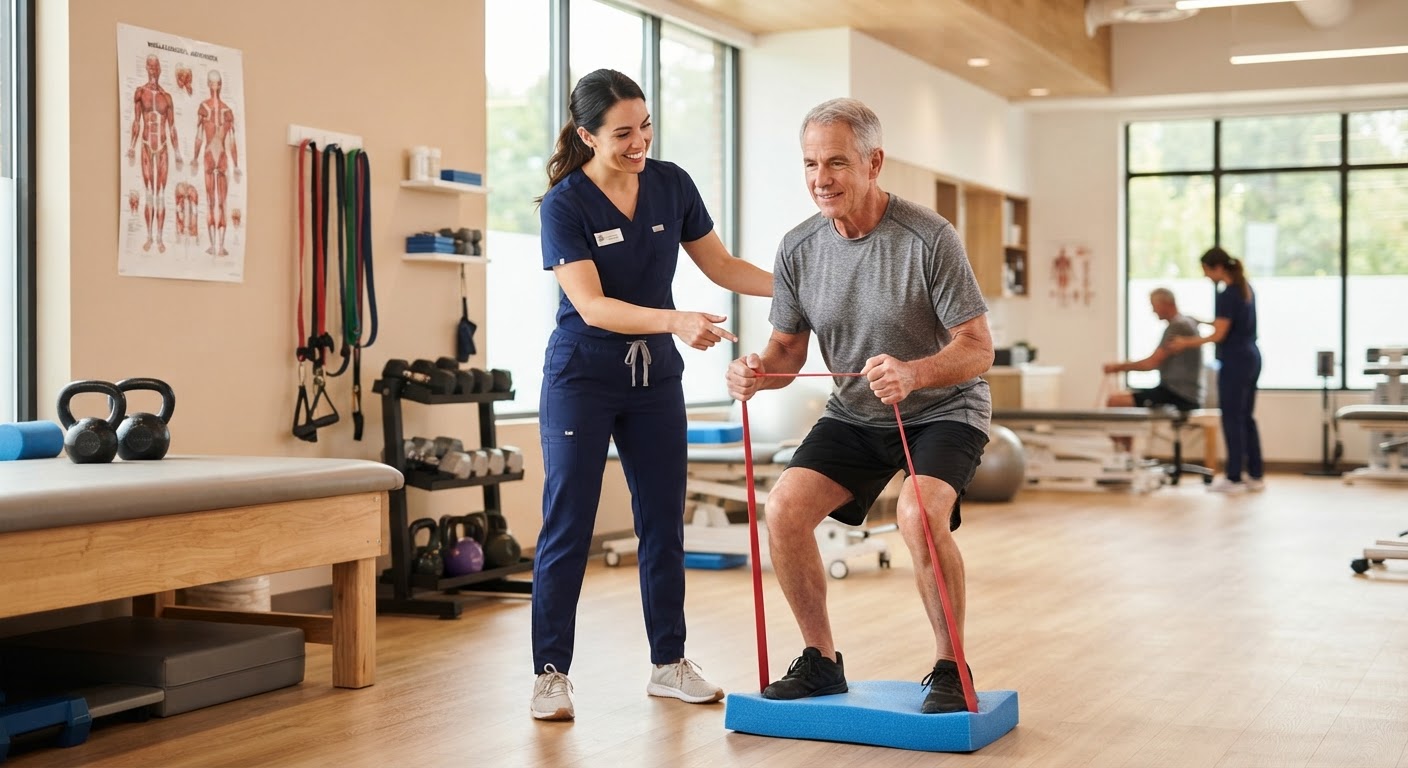
Following TKR, the muscles supporting the knee – particularly the quadriceps and hamstrings – can become weak. A comprehensive strengthening program is vital to stabilize the new joint, improve gait mechanics, and prevent future injuries. Your physical therapist will design a progressive exercise program targeting these and other core muscle groups. This might include: • Isometric exercises: Contractions without joint movement to build initial strength. • Progressive resistance exercises: Using body weight, resistance bands, or light weights to gradually increase muscle strength. • Functional exercises: Mimicking daily activities like squatting, stepping up, and walking to translate strength into practical movements. Improving Balance and Proprioception
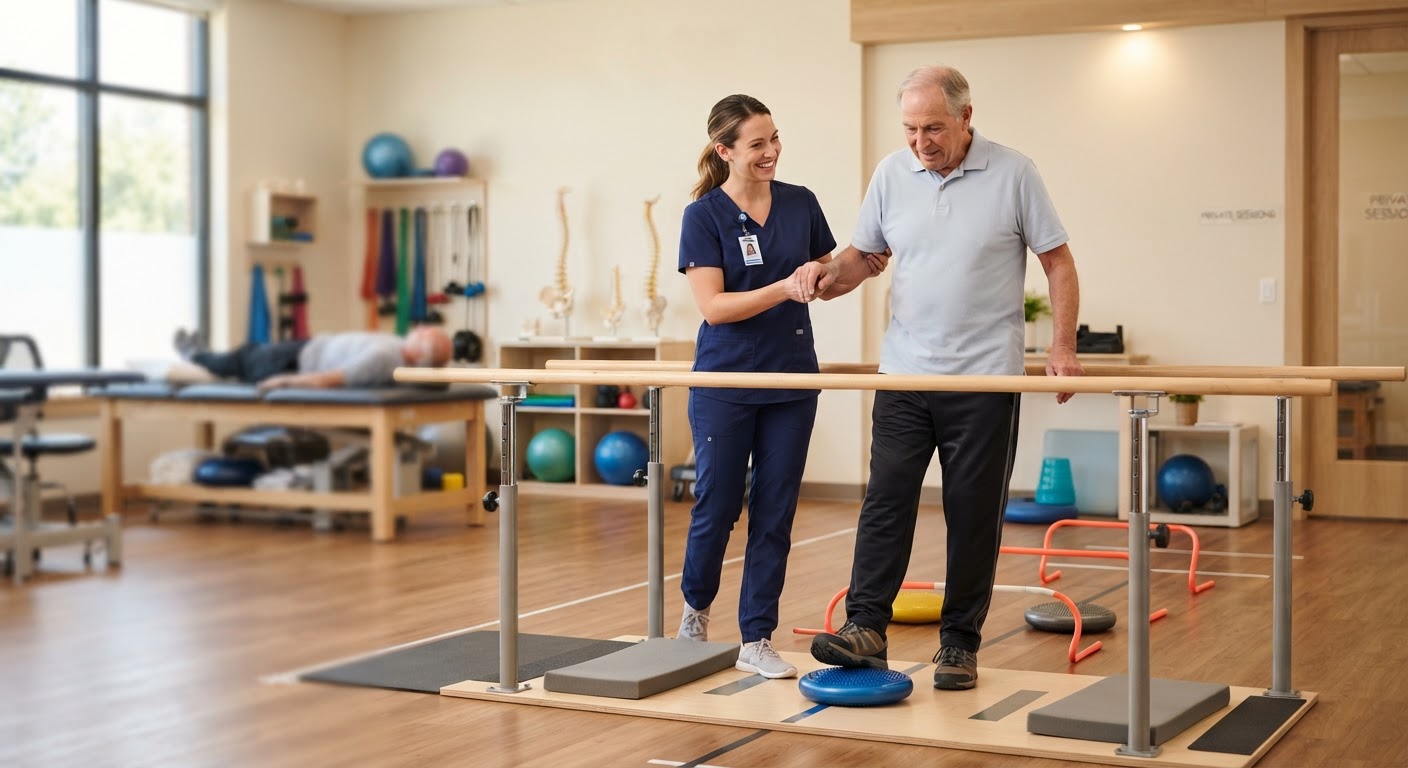
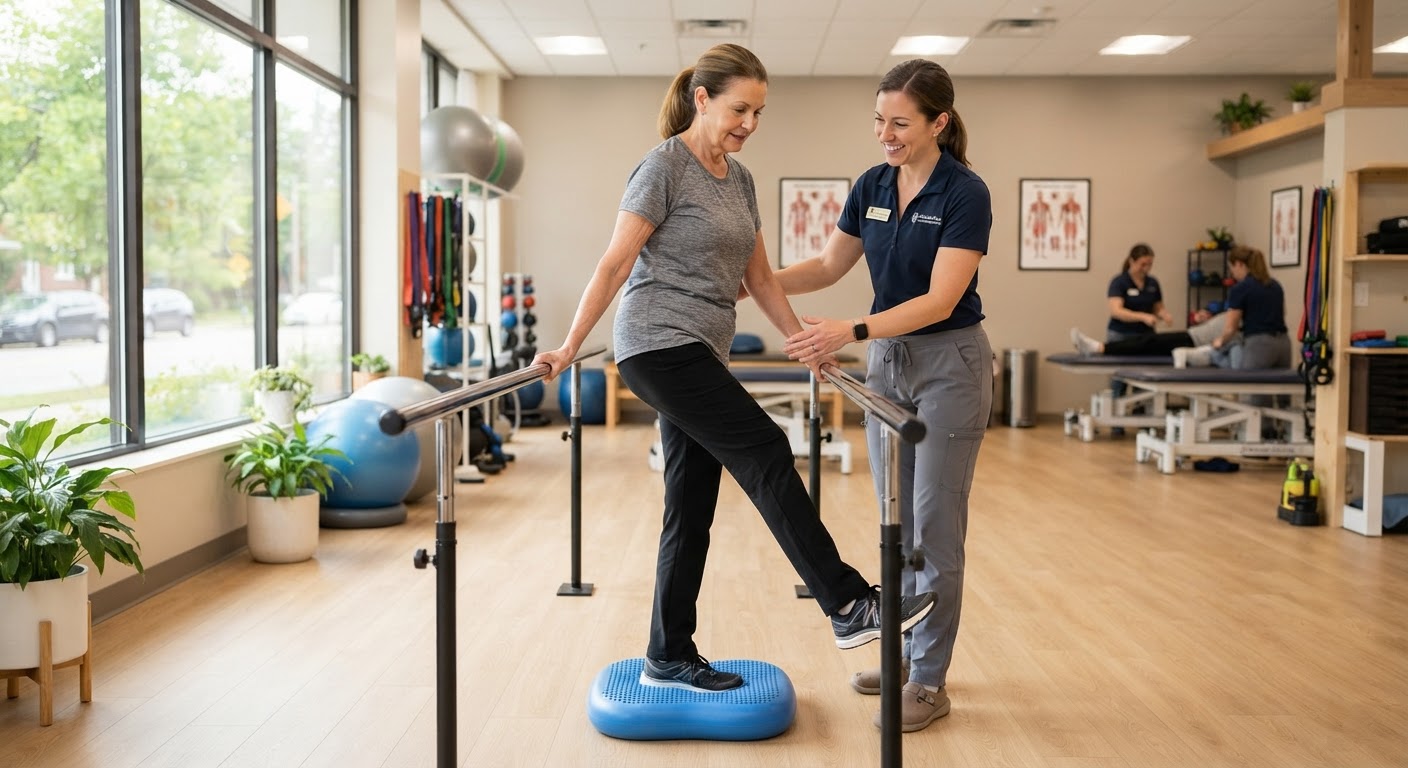
Total knee replacement can temporarily affect your balance and proprioception – your body's awareness of its position in space. This can increase the risk of falls. Physical therapy incorporates balance training exercises, ranging from standing on one leg to using unstable surfaces, to enhance your stability and reduce fall risk, ensuring you feel secure on your feet. Gait Training and Functional Independence
Learning to walk correctly after TKR is a cornerstone of recovery. Your therapist will guide you through gait training, initially using assistive devices like crutches or a walker, and progressively transitioning to independent walking. They will analyze your walking pattern, identifying and correcting any compensations that could lead to future problems. The ultimate goal is to restore your ability to perform daily tasks independently and confidently, from walking around your Fort Lauderdale neighborhood to navigating stairs and getting in and out of a car. What to Expect During Your Physical Therapy Journey
Your physical therapy journey at Physical Therapy NOW™ will be personalized to your unique needs and recovery progress. Here's a general overview of what you can expect: • Pre-Operative (Pre-hab): While not always necessary, some patients benefit from pre-operative physical therapy to strengthen muscles and educate themselves on post-surgical exercises. This can often lead to a smoother and faster recovery. • Acute Post-Operative (Hospital): Your physical therapist will typically begin working with you in the hospital, focusing on early mobilization, basic exercises, and safe transfers. • Outpatient Physical Therapy: Once discharged, you'll transition to outpatient therapy, where a more intensive and progressive program will be implemented. These sessions will typically occur a few times a week, gradually decreasing in frequency as you progress. • Home Exercise Program: A critical component of your recovery is diligently performing your prescribed home exercises. Your therapist will provide clear instructions and educate you on proper technique. Practical Tips for a Successful Recovery
Beyond your scheduled therapy sessions, here are some actionable tips to optimize your recovery: • Adhere to Your Home Exercise Program: This cannot be stressed enough. Consistency is key to regaining strength and mobility. • Manage Swelling: Elevate your leg and apply ice regularly, especially after exercise or prolonged activity. • Listen to Your Body: While pushing yourself is necessary, it's also important to avoid overdoing it. Pain is your body's signal to slow down. • Maintain a Healthy Diet: Proper nutrition supports healing and overall well-being. • Stay Hydrated: Water is essential for every bodily function. • Wear Appropriate Footwear: Supportive, comfortable shoes can aid in walking and balance. • Modify Your Home Environment: Remove tripping hazards, ensure good lighting, and consider assistive devices like grab bars if needed. Choose Physical Therapy NOW™ for Your Total Knee Replacement Recovery
Embarking on a total knee replacement journey can be daunting, but with the right guidance, a full and active recovery is within reach. At Physical Therapy NOW™ in Fort Lauderdale, FL, our expert physical therapists specialize in post-surgical rehabilitation. We combine evidence-based techniques with personalized care to help you achieve your recovery goals.
Our commitment is to empower you to reclaim your independence and return to a life free from debilitating knee pain. Don't let uncertainty derail your progress. Take the crucial step towards a successful total knee replacement recovery.
Ready to take the first step towards a stronger, more mobile you? Contact Physical Therapy NOW™ in Fort Lauderdale today to schedule your consultation. Let us help you navigate your total knee replacement recovery with confidence and expert care.
Ready to start feeling better?
Physical Therapy NOW™ has 40+ Florida locations with same-week appointments. Most insurance, auto accident (PIP), workers' compensation and Medicare accepted.