The Indispensable Role of Physical Therapy in Total Knee Replacement Recovery
Total knee replacement surgery, also known as total knee arthroplasty, is a highly effective procedure for individuals suffering from severe knee pain and disability often due to arthritis. While the surgery itself is a significant step towards reclaiming a pain-free life, it’s not the final destination. The journey to full recovery and optimal function hinges heavily on a crucial component: physical therapy. At Physical Therapy NOW™ in Miami, FL, specifically at our Country Walk location, we've witnessed firsthand the transformative power of a well-structured rehabilitation program. Understanding Total Knee Replacement Surgery
Before delving into the specifics of physical therapy, it's helpful to understand what a total knee replacement entails. During this procedure, damaged bone and cartilage from the thighbone (femur), shinbone (tibia), and kneecap (patella) are removed and replaced with prosthetic components made of metal alloys, high-grade plastics, and polymers. The goal is to alleviate pain, correct deformity, and restore knee function. While the artificial joint provides a new lease on life for many, regaining strength, flexibility, and proper movement patterns requires dedicated effort and expert guidance. Why is Physical Therapy Critical After Total Knee Replacement?
Immediately after surgery, your knee will be swollen and painful, and its range of motion will be limited. Without physical therapy, there's a significant risk of developing scar tissue, muscle weakness, and joint stiffness, leading to a less than optimal outcome. Physical therapy serves several vital purposes: 1. Pain Management and Swelling Reduction
Physical therapists utilize various modalities and techniques to help manage post-operative pain and swelling. These can include cold therapy, gentle massage, and specific exercises designed to promote circulation and reduce inflammation. Early pain control is essential to allow for effective participation in rehabilitation. 2. Restoring Range of Motion (ROM)
One of the primary goals of physical therapy is to restore the full, pain-free range of motion in your new knee. Therapists guide you through progressive stretching and bending exercises, often beginning within hours or days of surgery. This prevents stiffness and helps the new joint adapt to its intended function. Our specialists at Physical Therapy NOW™ ensure these exercises are performed safely and effectively, minimizing discomfort while maximizing progress. 3. Strengthening Surrounding Muscles
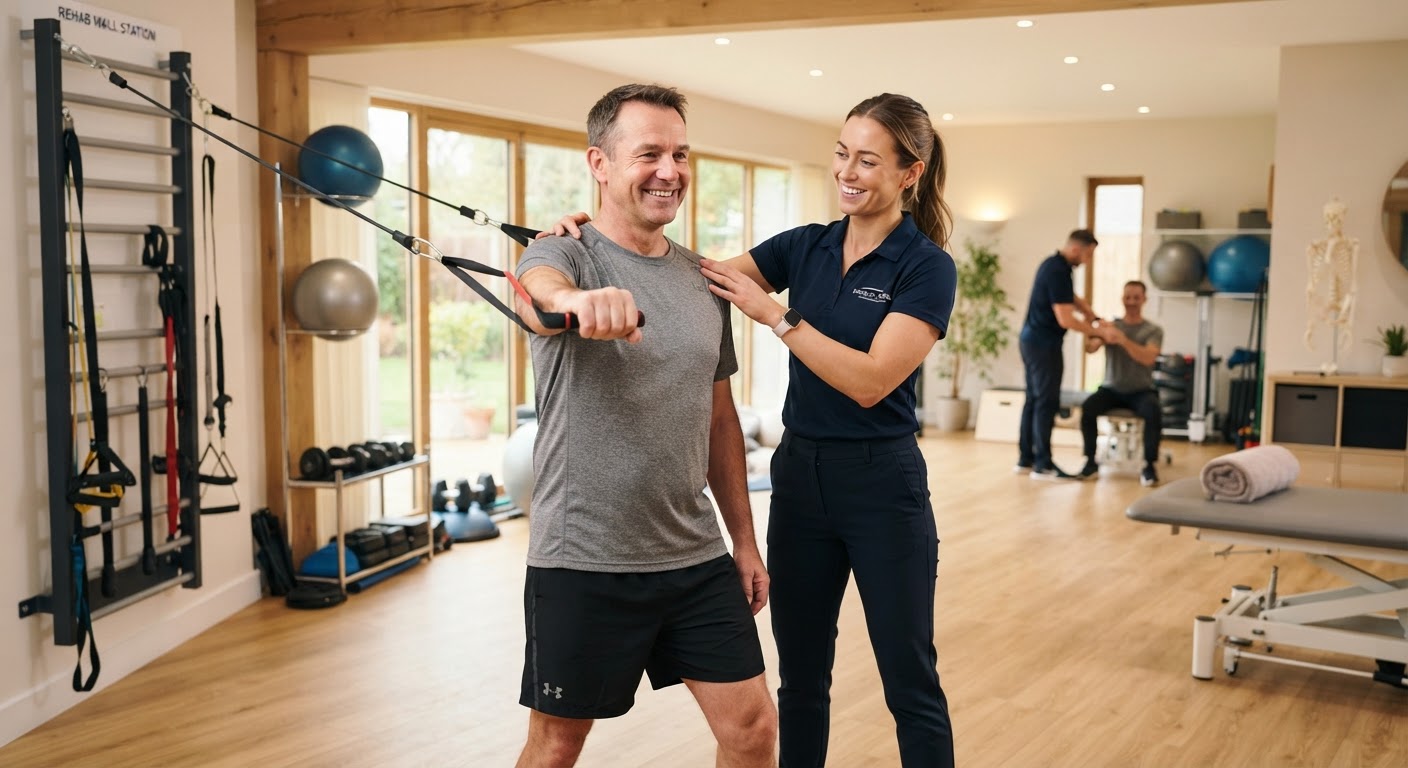
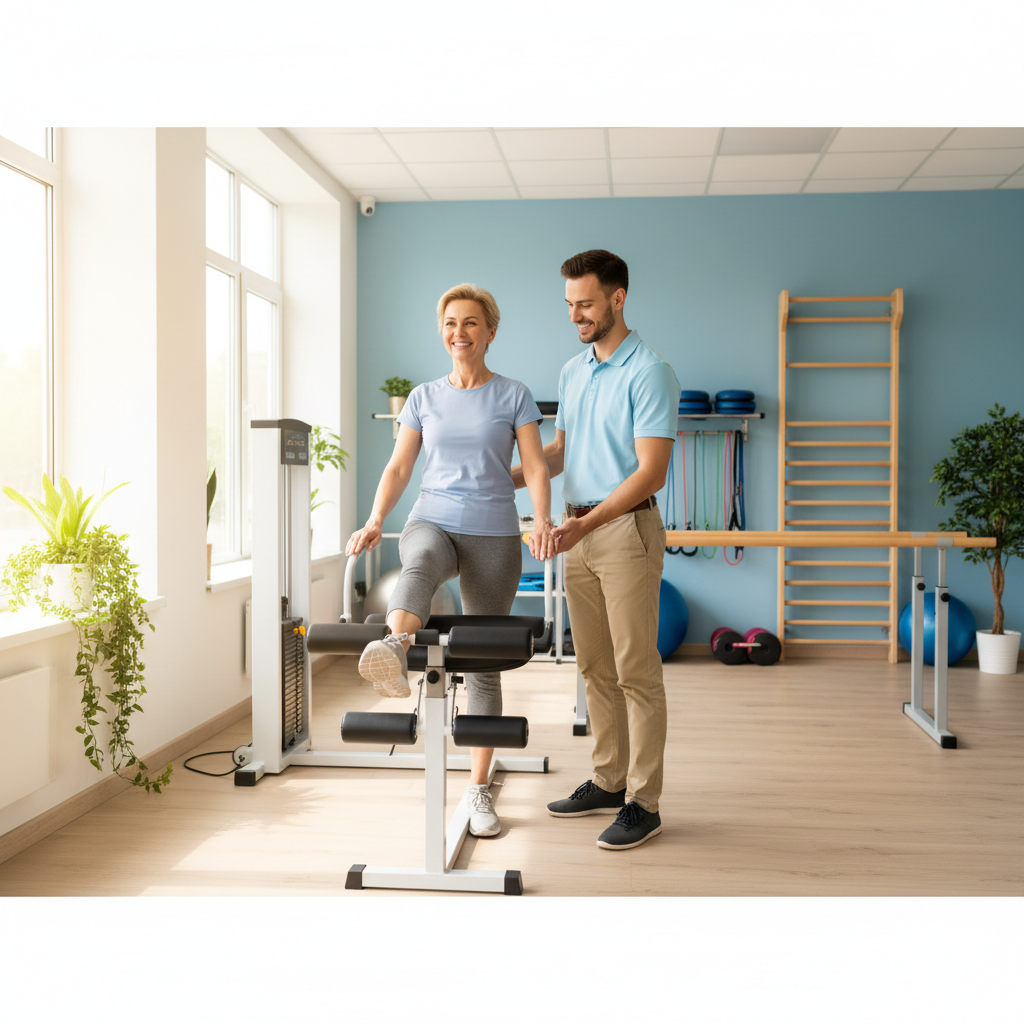
After surgery, the muscles around the knee, including the quadriceps, hamstrings, and calf muscles, often become weak due to disuse and the surgical trauma. A physical therapist designs a personalized strengthening program targeting these muscle groups. Strong muscles support the new joint, improve stability, and enable you to perform daily activities with greater ease and confidence. 4. Improving Gait and Balance
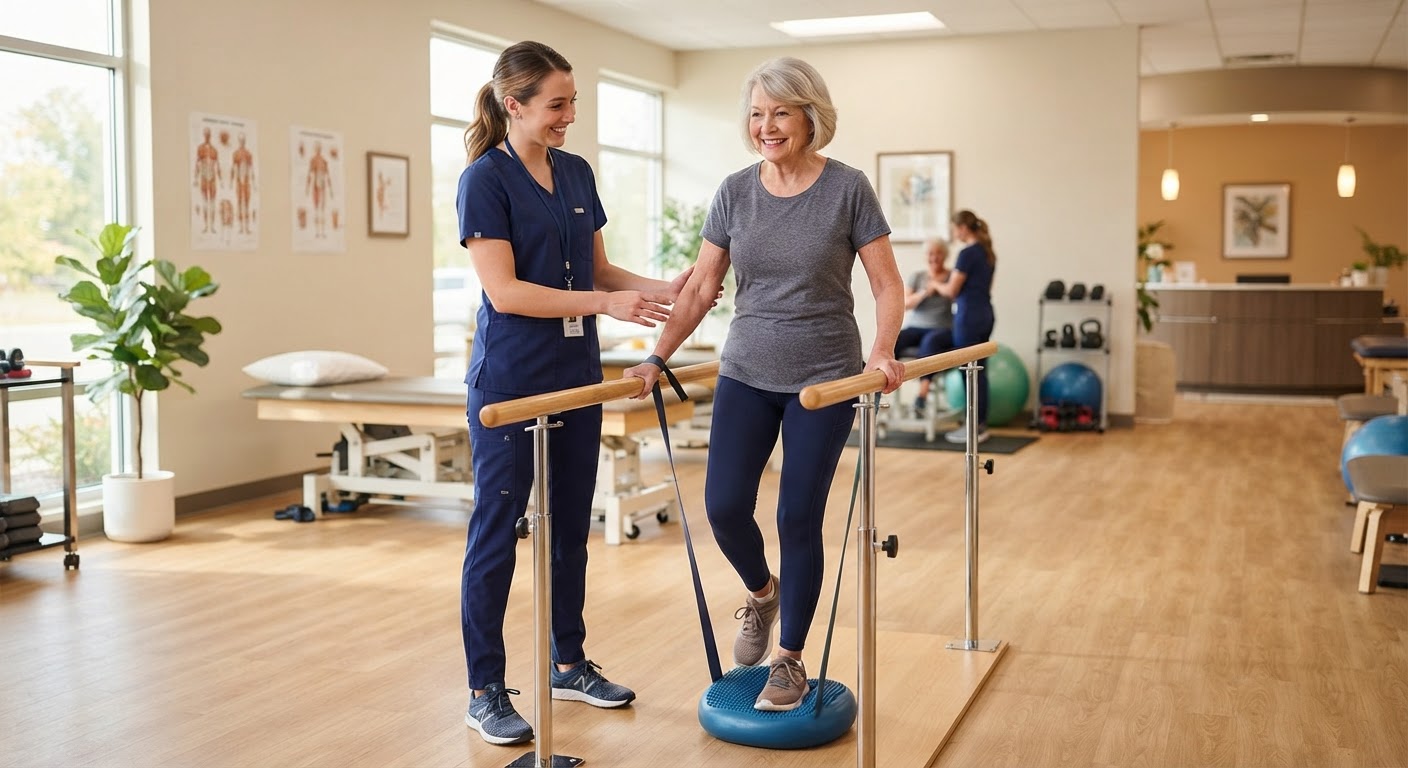
Learning to walk naturally again is a critical aspect of recovery. Physical therapists provide gait training, teaching you how to walk with proper mechanics, initially with assistive devices like crutches or a walker, and then gradually progressing to independent walking. Balance exercises are also incorporated to reduce the risk of falls, especially in the early stages of recovery. 5. Enhancing Functional Independence
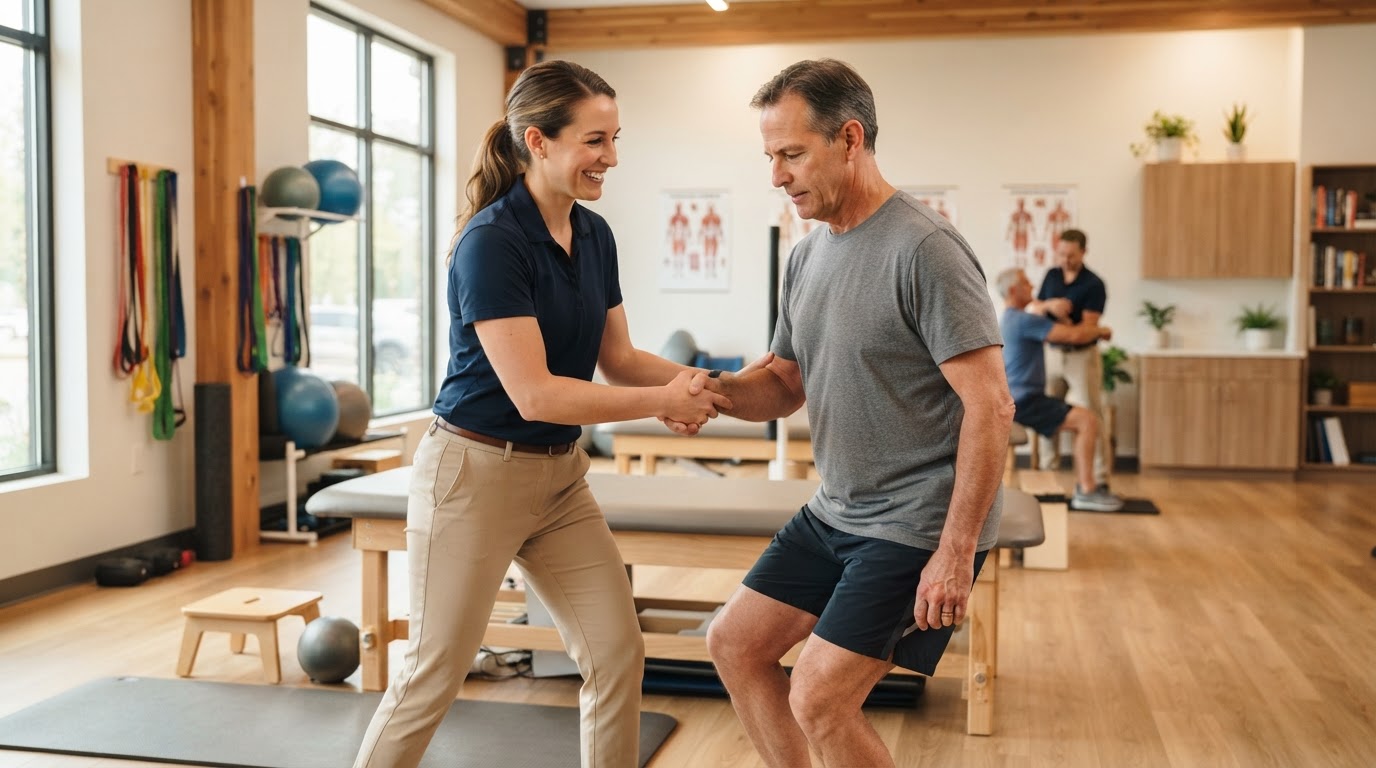
The ultimate aim of physical therapy is to help you regain functional independence. This involves practicing activities of daily living (ADLs) such as climbing stairs, getting in and out of chairs, and eventually returning to recreational activities. Your therapist will provide practical tips and modify exercises to suit your progress and individual goals. The Physical Therapy NOW™ Approach in Miami, FL (Country Walk)
At Physical Therapy NOW™, our experienced physical therapists understand the unique challenges and opportunities that arise after a total knee replacement. We begin with a comprehensive initial evaluation, assessing your pre-operative status, post-operative limitations, and personal goals. Based on this, we develop an individualized treatment plan tailored specifically to you. Early Stages of Rehabilitation (Days to Weeks Post-Op) • Gentle Range of Motion Exercises: Passive and active-assisted knee bends and extensions. • Muscle Activation: Isometric contractions to begin strengthening without putting stress on the joint. • Pain and Swelling Management: Modalities like ice and compression. • Gait Training: Learning to walk safely with assistive devices. Intermediate Stages (Weeks to Months Post-Op) • Progressive Strengthening: Utilizing resistance bands, light weights, and bodyweight exercises. • Advanced Range of Motion: Working towards full flexion and extension. • Balance and Proprioception Training: Exercises on unstable surfaces, single-leg stands. • Stair Climbing and Descending: Practicing functional movements. Advanced Stages and Return to Activity • Sport-Specific or Activity-Specific Training: If applicable, preparing for golf, swimming, or other hobbies. • Endurance Training: Improving stamina for extended activities. • Home Exercise Program: Equipping you with the tools to maintain your progress long-term.
Our clinic at the Country Walk location in Miami, FL, is equipped with state-of-the-art facilities to support your rehabilitation journey. Our compassionate team provides one-on-one care, closely monitoring your progress and adjusting your program as needed. We believe in educating our patients, empowering you with the knowledge and techniques to manage your recovery proactively. Practical Tips for Your Recovery Journey • Adhere to Your Home Exercise Program: Consistency is key. Your therapist will provide exercises to do at home; commit to performing them regularly. • Attend All Scheduled Appointments: Regular physical therapy sessions are crucial for expert guidance and progression. • Manage Your Pain: Take prescribed pain medication as directed to enable effective participation in therapy. • Listen to Your Body: Push yourself, but don't overdo it. Communicate any increased pain or discomfort to your therapist. • Maintain a Healthy Diet: Proper nutrition supports healing and overall well-being. • Stay Hydrated: Essential for tissue repair and overall health. Conclusion
Total knee replacement surgery offers immense potential for individuals seeking relief from chronic knee pain. However, the lasting success of the procedure is deeply intertwined with a commitment to comprehensive physical therapy. By partnering with skilled professionals like those at Physical Therapy NOW™, you significantly enhance your chances of achieving a successful recovery, regaining mobility, reducing pain, and returning to the activities you love. Don't let the opportunity for a full recovery pass you by. Take the Next Step Towards a Pain-Free Life
If you're preparing for or recovering from a total knee replacement, and are looking for expert physical therapy services, look no further than Physical Therapy NOW™. Our dedicated team at the Country Walk location in Miami, FL, is ready to guide you through every stage of your rehabilitation. Contact us today to schedule your evaluation and embark on your journey to renewed strength and mobility. Call us at [Insert Phone Number Here] or visit our clinic at [Insert Address Here] to speak with one of our specialists. Your active life awaits!"
Ready to start feeling better?
Physical Therapy NOW™ has 40+ Florida locations with same-week appointments. Most insurance, auto accident (PIP), workers' compensation and Medicare accepted.