A slip or fall can happen in an instant, but its effects may linger. You might notice soreness, swelling, stiffness, difficulty walking, or discomfort when reaching and bending. Even if an injury seems minor at first, symptoms can become more noticeable over the next few days. Physical therapy can help you address movement challenges, build strength, and work toward pain relief with a plan suited to your needs.
At Physical Therapy NOW™ Bird Road location in Miami, FL, therapists can assess how an injury affects your movement and daily activities. Understanding what hurts, what feels difficult, and what you want to get back to doing is an important first step in rehabilitation.
Common Injuries After A Fall
A fall can affect many parts of the body. Common concerns include ankle sprains, knee pain, wrist injuries, shoulder strains, back discomfort, and muscle soreness. Some people also experience bruising or reduced balance after the incident. The type and severity of an injury can vary depending on how you landed, the surface, and your health history.
Pain is not the only sign to pay attention to. You may find that you walk differently, avoid putting weight on one leg, feel unsteady when turning, or have trouble getting up from a chair. These changes can place extra stress on other areas of the body. A physical therapist can evaluate your strength, flexibility, balance, and mobility to help identify areas that may benefit from care.
When To Seek Medical Attention
Some symptoms need prompt medical assessment rather than waiting for a routine therapy appointment. Seek urgent care for severe pain, an obvious deformity, inability to bear weight, significant swelling, numbness, or a wound that may need attention. After a head impact, urgent evaluation is especially important if you have confusion, worsening headache, repeated vomiting, unusual drowsiness, or loss of consciousness. When in doubt, contact a medical professional for guidance.
A physical therapist can also help you understand whether your symptoms are appropriate for therapy or whether you should first be evaluated by another healthcare provider. The right next step depends on your symptoms and individual circumstances.
How Physical Therapy Supports Recovery
Physical therapy for slip and fall injuries begins with an evaluation. Your therapist may ask how the fall happened, when symptoms began, and which activities are difficult. They may assess movement, balance, strength, flexibility, and walking, while taking your comfort and safety into account. This information helps guide a personalized rehabilitation plan.
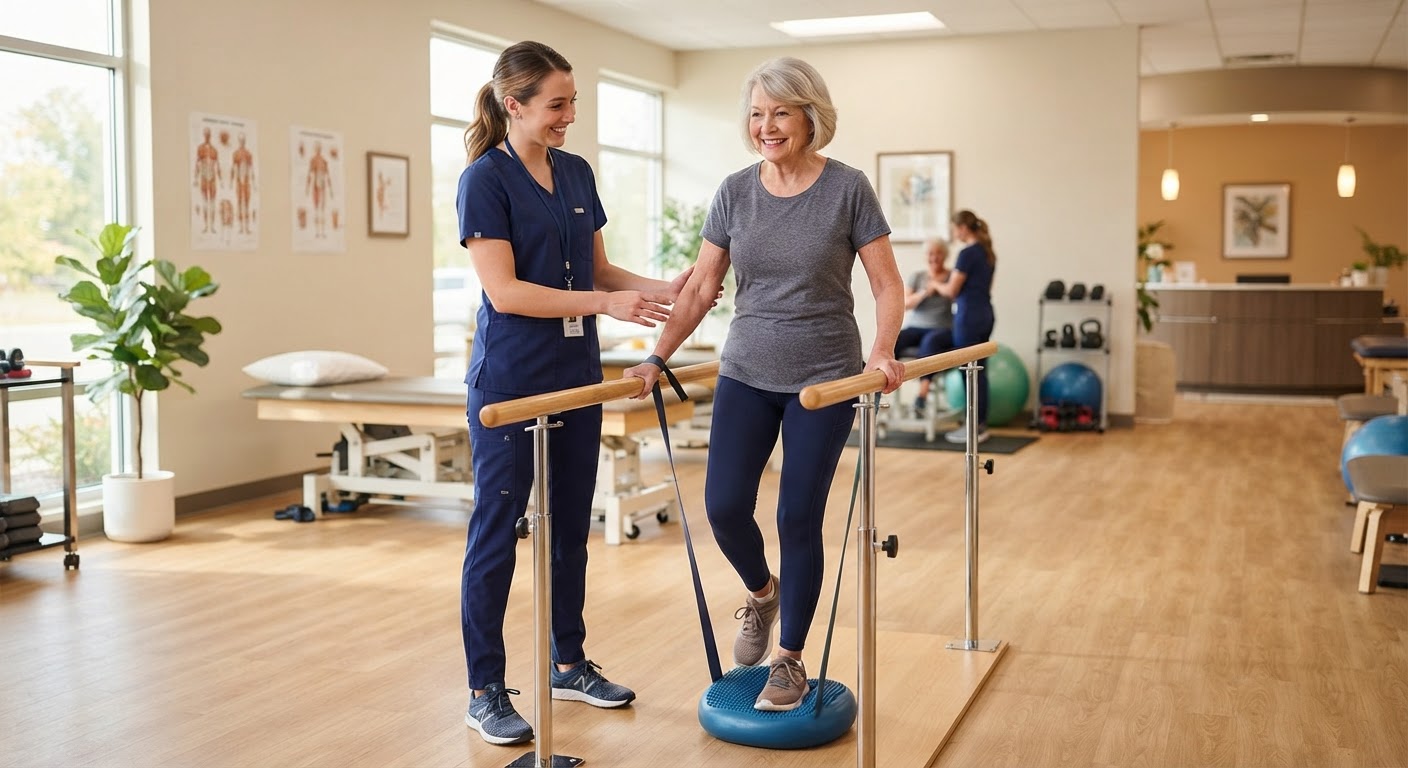
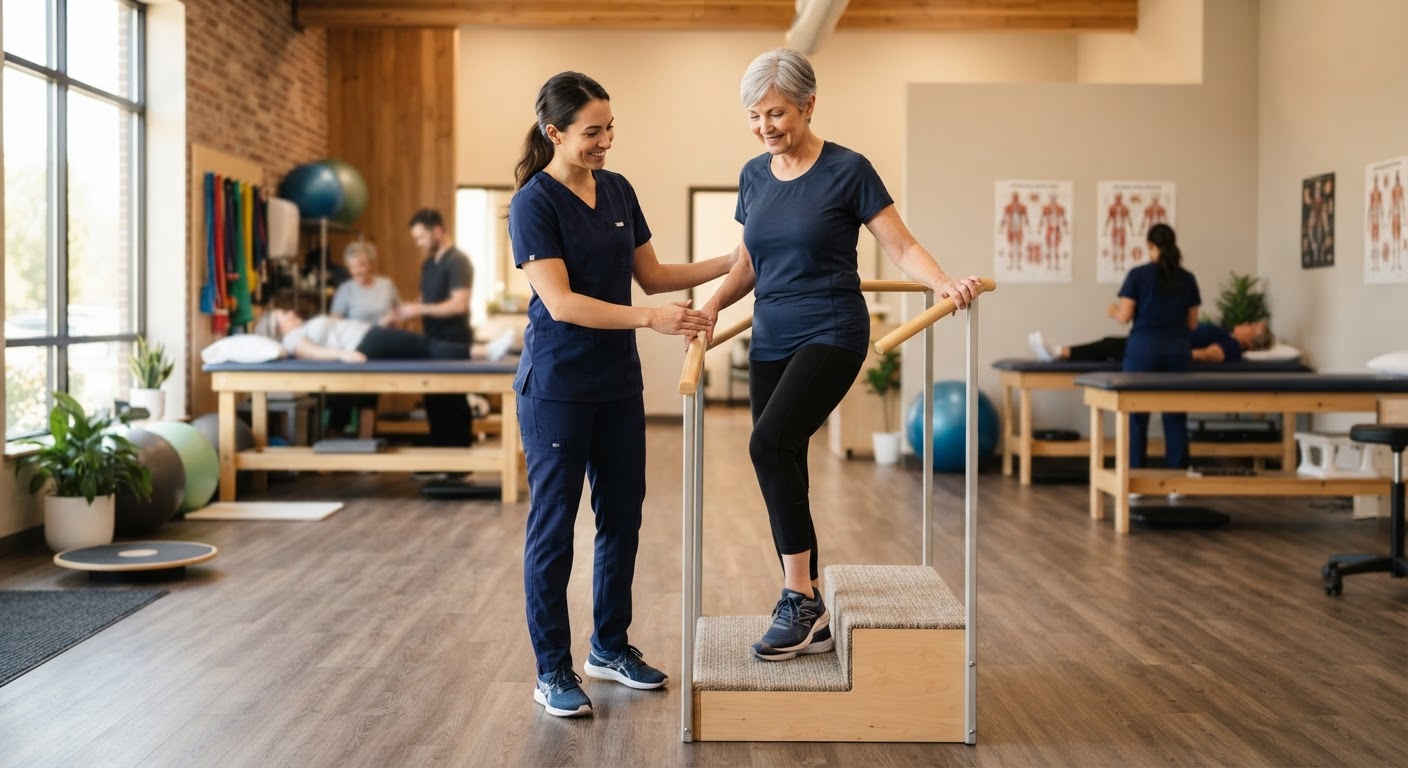
Treatment may include gentle mobility exercises, progressive strengthening, balance practice, gait training, and education about activity changes. The specific approach depends on the injury and your progress. For example, a person with ankle stiffness may work on comfortable range of motion and gradually build leg strength, while someone who feels unsteady may practice controlled balance tasks with appropriate support.
A physical therapist can also help you return to everyday activities gradually. Rather than pushing through sharp or worsening pain, you can learn how to adjust the intensity of movement and recognize when to pause. Progress is individual, and your plan may change as your symptoms and abilities change. Physical therapy is not a substitute for medical diagnosis or emergency care, but it can be a useful part of recovery when appropriate.
Practical Steps You Can Take At Home
In the first few days, pay attention to how your symptoms respond to activity. Follow instructions from your healthcare provider, and avoid movements that cause sharp or steadily increasing pain. Gentle movement within a comfortable range may help you avoid becoming overly stiff, but do not force a painful joint or try to test an injury aggressively.
Make your surroundings safer while you recover. Keep walkways clear, secure loose rugs, improve lighting, and use handrails on stairs. Wear shoes with stable, nonslip soles. If you feel unsteady, use a suitable support recommended by a healthcare professional rather than relying on furniture or walls. Ask for help with tasks that require climbing, carrying heavy items, or moving quickly.
It can be helpful to write down when pain occurs and which activities are affected. Bring this information to your appointment, along with details about any previous injuries or relevant health conditions. Clear information can help your therapist understand your goals and tailor recommendations.
Building Confidence And Preventing Another Fall
After a fall, it is understandable to feel cautious about walking or exercising. Avoiding movement entirely, however, may make it harder to regain strength and confidence. A therapist can help you practice safe, gradually more challenging activities based on your abilities. Balance, coordination, and lower-body strength exercises may be included when appropriate.
Prevention also involves noticing possible hazards and personal factors. Wet floors, clutter, poor lighting, unsuitable footwear, and rushing can increase the chance of losing your footing. If dizziness, vision changes, medication effects, or recurring balance problems may have contributed, speak with your healthcare provider. Addressing those concerns can be an important part of a broader fall-prevention plan.
Start Your Recovery With A Plan
Slip and fall injuries can disrupt work, family responsibilities, and the activities you enjoy. Early guidance can help you make informed choices, move safely, and work toward meaningful goals. Physical Therapy NOW™ provides individualized physical therapy focused on your movement needs, functional recovery, and pain relief.
If you are dealing with pain, stiffness, or reduced confidence after a fall, contact or visit the Physical Therapy NOW™ Bird Road location in Miami, FL. The team can discuss your concerns and help you determine whether physical therapy may be appropriate for your recovery. Call the Bird Road clinic to ask about getting started and take a practical next step toward moving comfortably and safely.
Ready to start feeling better?
Physical Therapy NOW™ has 40+ Florida locations with same-week appointments. Most insurance, auto accident (PIP), workers' compensation and Medicare accepted.