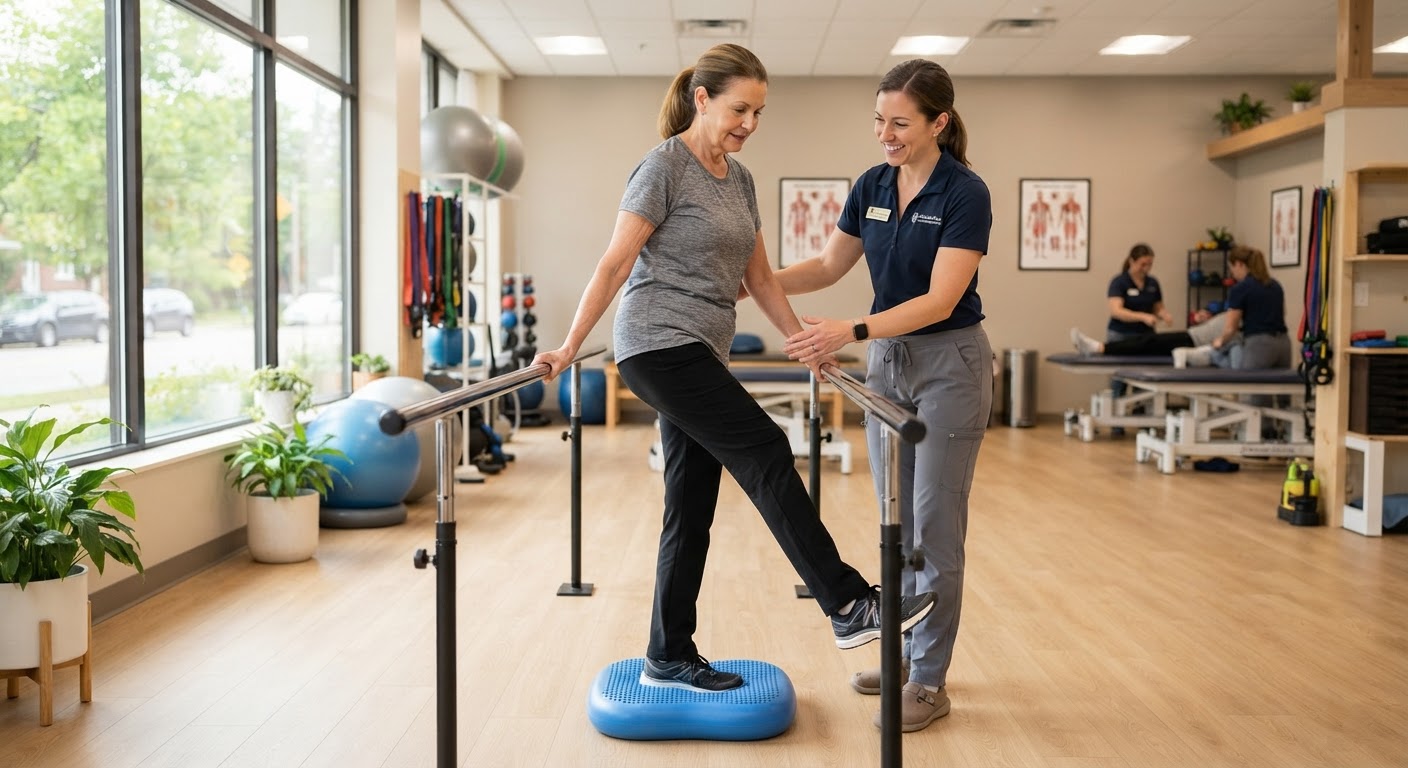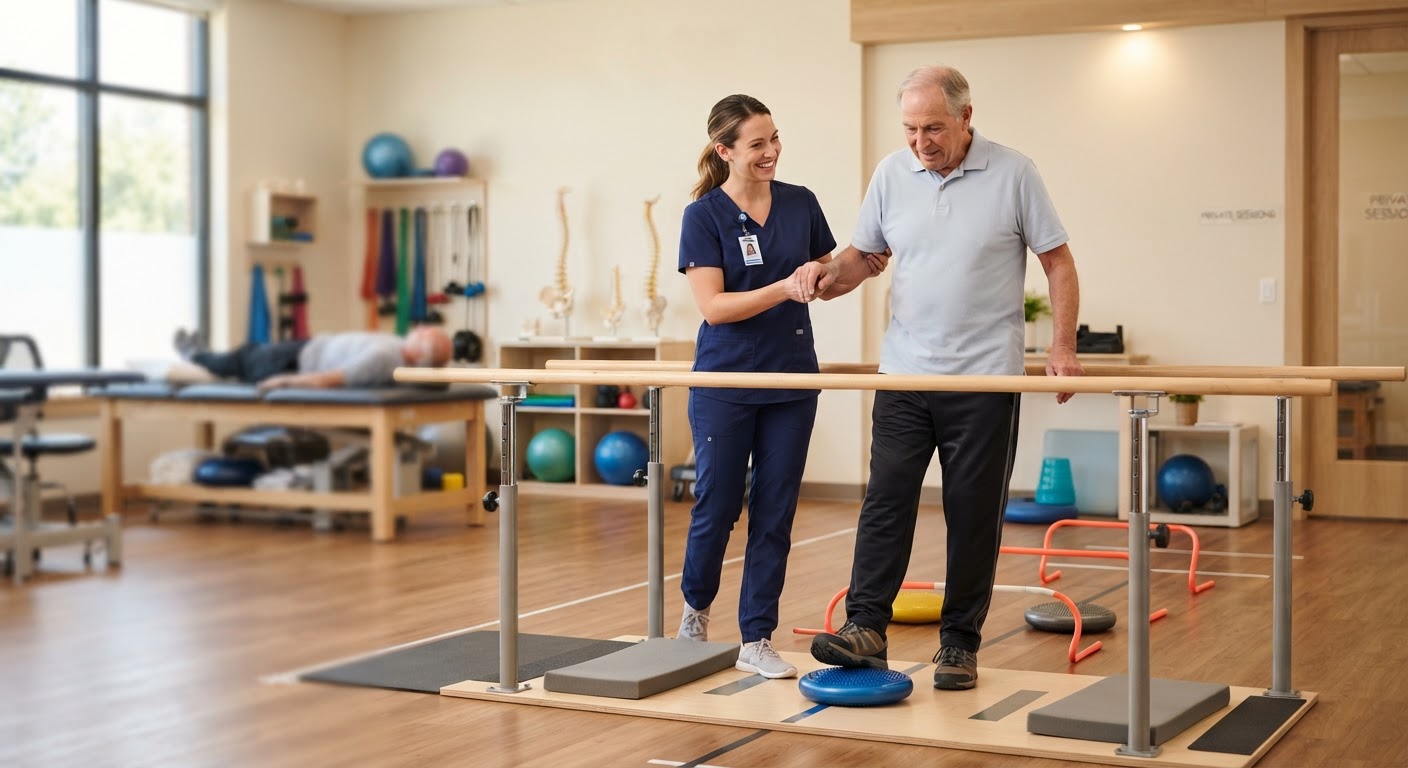
A slip or fall can happen in an instant, but soreness, stiffness, and difficulty moving may linger long after the incident. Even when an injury seems minor at first, pain can make everyday tasks like walking, climbing stairs, or getting dressed more challenging. Physical therapy can help you rebuild strength and mobility, manage discomfort, and return to your routine safely.
At Physical Therapy NOW™ in Palmetto Bay, FL, care can be tailored to your symptoms, goals, and recovery needs. Understanding what to do after a fall and how rehabilitation may help can make the next steps feel more manageable.
Common Injuries After a Fall
A fall may cause bruises, muscle strains, joint sprains, or injuries to the back, hip, shoulder, wrist, or knee. Some people develop pain or stiffness hours or even a day later, once the body’s initial response settles. A change in walking or balance may also appear as you try to protect a sore area.
Not every injury is appropriate for immediate exercise. If you have severe pain, visible deformity, significant swelling, trouble bearing weight, numbness, weakness, or a possible head or neck injury, seek prompt medical care. Call emergency services for serious symptoms such as loss of consciousness, confusion, repeated vomiting, severe headache, or difficulty breathing. A healthcare professional can assess the injury and advise when it is safe to begin physical therapy.
How Physical Therapy Supports Recovery
After an appropriate medical evaluation, a physical therapist can assess how the fall affected your movement, strength, flexibility, balance, and ability to complete daily activities. Your plan may begin with gentle movements and progress as your symptoms and function improve. Treatment is adjusted to your condition rather than following a one-size-fits-all schedule.
Depending on your needs, physical therapy may include guided exercises to improve range of motion, strengthen muscles, and restore coordination. A therapist may also work with you on walking mechanics, transfers, and safe ways to manage stairs. Education about pacing, body positioning, and activity modifications can help you stay active without pushing through worsening symptoms.
Pain relief is often an important part of recovery. Your therapist can recommend ways to modify activities and may use appropriate hands-on techniques or other treatment approaches as part of your plan. The goal is not simply to mask discomfort, but to address movement limitations and help you build confidence as you return to daily life. Tell your therapist what makes your symptoms better or worse so your care can be adjusted.
What to Expect at Your First Visit
Your first appointment typically includes a conversation about how the fall happened, your symptoms, medical history, and personal goals. Your therapist may ask about activities that have become difficult and observe movements such as standing, walking, or reaching. Wear comfortable clothing that allows you to move, and bring any relevant medical instructions or imaging information if available.
Be open about your pain, concerns, and any fear of falling again. Recovery can involve gradual progress, and your therapist can help set practical milestones. If a movement causes sharp or increasing pain, let the therapist know rather than trying to push through it. Follow any medical restrictions you have been given.
Practical Tips While You Recover
Follow your clinician’s guidance. Do not start strenuous exercise or return to an activity that has been restricted until you have been cleared to do so.
Keep moving within safe limits. If walking is comfortable and approved, short, manageable periods of activity may be more realistic than doing too much at once. Rest when needed, and avoid movements that significantly increase your symptoms.
Make your home easier to navigate. Clear clutter from walkways, secure loose rugs, improve lighting, and keep frequently used items within easy reach. Use handrails on stairs, and wear stable footwear with good traction.
Use assistive equipment as directed. A cane, walker, or other device may help you move more safely when recommended by a healthcare professional. Make sure it is fitted and used correctly.
Track your progress. Note changes in pain, swelling, sleep, walking, and daily activities. Sharing these details at appointments can help your care team understand how you are responding.
Reducing the Risk of Another Fall
Recovery is also an opportunity to address factors that may affect steadiness. Physical therapy exercises can focus on leg strength, balance, coordination, and safe movement strategies when appropriate. A therapist may suggest practical changes based on your abilities and environment. If dizziness, vision changes, medication effects, or other health concerns may have contributed to the fall, discuss them with your medical provider. Do not stop or change prescribed medication without professional advice.
A fall does not always mean you will have lasting problems, but lingering pain or reduced confidence deserves attention. Timely evaluation can help clarify what is going on and identify a safe path forward. Physical Therapy NOW™ offers personalized rehabilitation to help people in the Palmetto Bay community work toward better movement, function, and pain relief.
Take the Next Step Toward Recovery
If a slip and fall has made it harder to move comfortably, you do not have to figure out the next step alone. Contact or visit the Physical Therapy NOW™ Palmetto Bay location to discuss your concerns and learn whether physical therapy may be appropriate for you. Call today to ask about scheduling and take a practical first step toward getting back to the activities that matter.
Ready to start feeling better?
Physical Therapy NOW™ has 40+ Florida locations with same-week appointments. Most insurance, auto accident (PIP), workers' compensation and Medicare accepted.