Physical Therapy for Slip and Fall Injuries
A slip or fall can happen in an instant, but soreness, stiffness, and difficulty moving may last much longer. Even when an injury does not seem serious at first, pain can appear or worsen over the following hours or days. Physical therapy can help you address movement problems, rebuild strength, and work toward a safer return to daily activities.
At Physical Therapy NOW™ in Homestead, FL, care can be tailored to your symptoms, goals, and abilities. Whether you are coping with a sprain, muscle strain, joint discomfort, or reduced balance after a fall, a physical therapist can assess how the injury affects your movement and guide your rehabilitation.
How Falls Can Affect the Body
A fall may cause a range of injuries, from bruising and muscle soreness to sprains, fractures, or head injuries. People commonly report pain in the back, neck, shoulder, wrist, hip, or knee. The impact can also make it harder to walk, climb stairs, reach overhead, or get up from a chair.
Sometimes, the injury itself is only part of the challenge. Pain may lead you to move less or change how you walk. Over time, avoiding movement can contribute to stiffness, reduced strength, and less confidence with everyday tasks. A physical therapist can help identify limitations and recommend an appropriate plan based on your medical needs and recovery stage.
When to Seek Medical Care
Seek prompt medical attention after a fall if you suspect a fracture, cannot bear weight, have severe or worsening pain, notice significant swelling or deformity, or experience numbness or weakness. A head impact accompanied by confusion, repeated vomiting, a severe headache, loss of consciousness, or unusual drowsiness also requires urgent evaluation. If you are unsure how serious an injury is, contact a healthcare professional before beginning exercises.
Physical therapy is not a substitute for urgent medical care. Your therapist can coordinate with your physician and follow any precautions or restrictions you have received. If imaging, medical clearance, or another type of care is needed first, make that the priority.
How Physical Therapy Supports Recovery
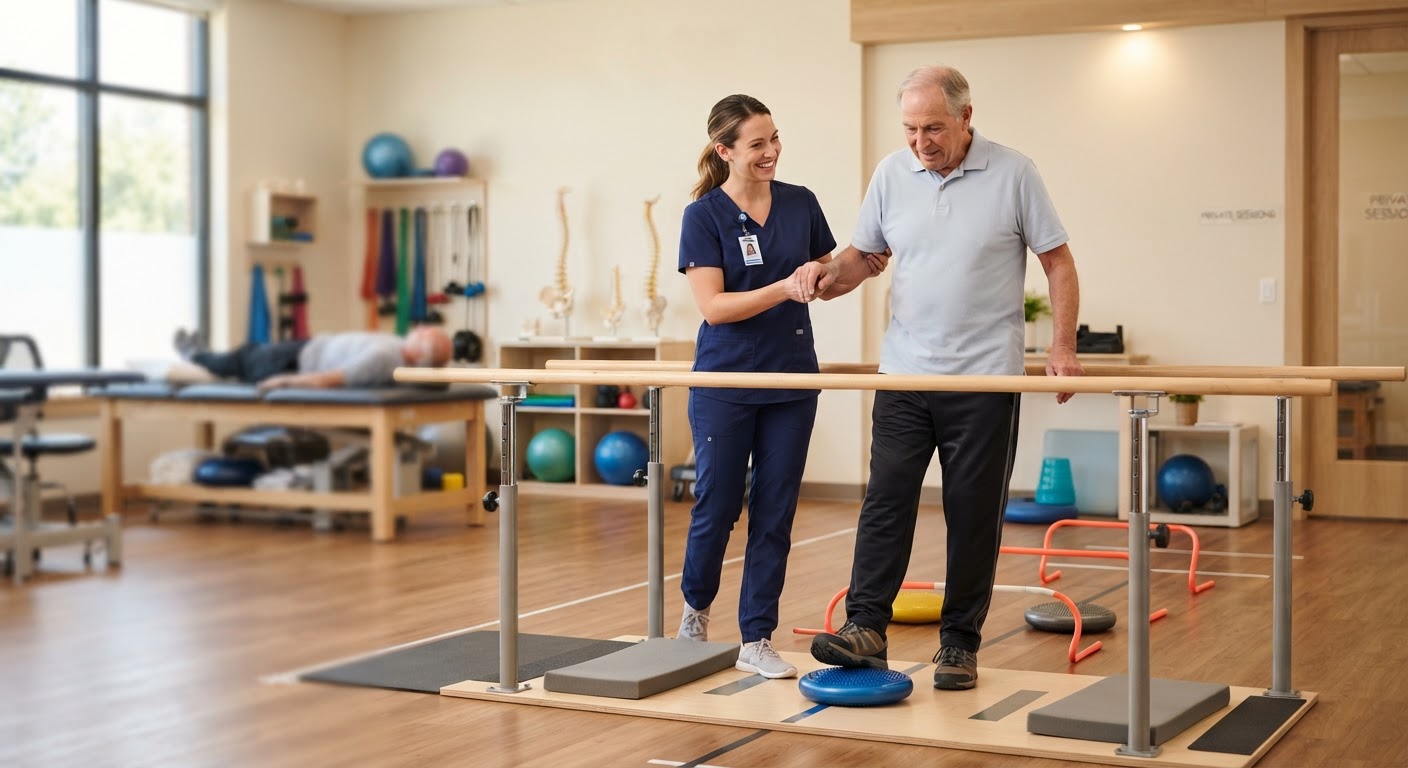
Your first visit typically includes a conversation about how the fall happened, your symptoms, health history, and the activities you want to resume. Your physical therapist may assess mobility, strength, balance, posture, and the way you perform tasks such as walking or standing from a chair. The evaluation helps shape a program that matches your condition rather than relying on a one-size-fits-all routine.
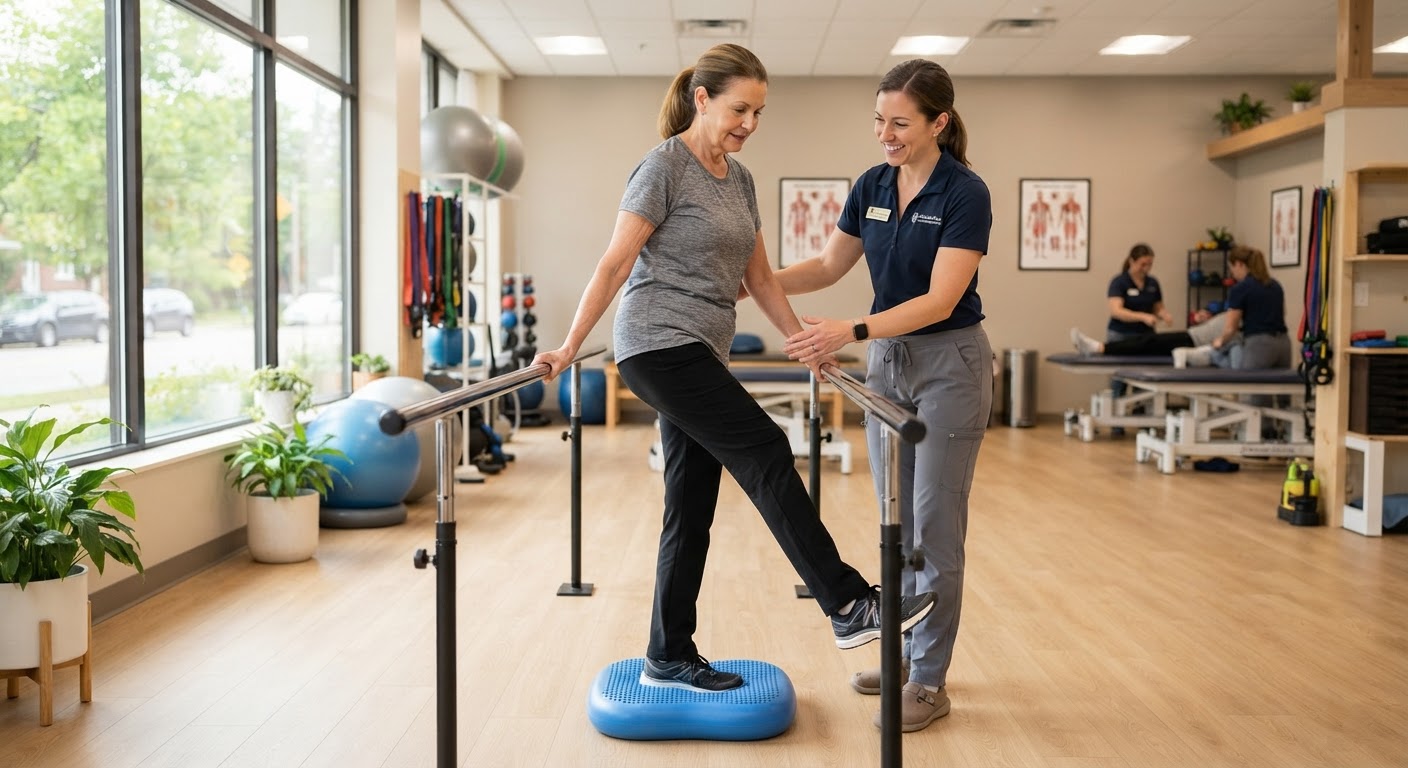
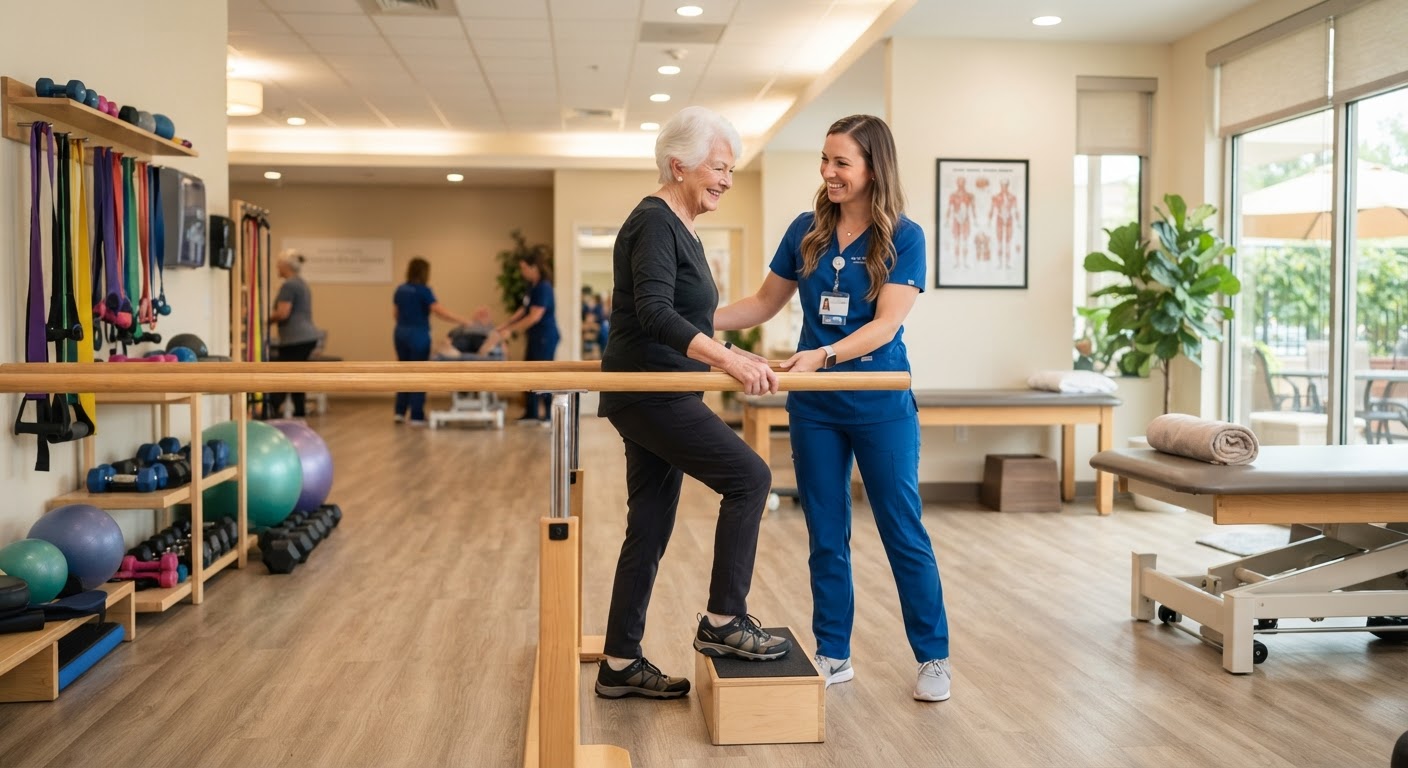
Treatment may include guided exercises to restore flexibility and strength, balance training, and practice with everyday movements. Your therapist may also offer hands-on techniques or other appropriate strategies to help manage discomfort and improve mobility. The focus is on progressing at a pace that respects your symptoms and medical guidance.
Rehabilitation goals can include walking with greater confidence, returning to household activities, improving joint motion, or building the strength needed for work and recreation. Your plan may change as you improve. Regular check-ins help your therapist adjust exercises and address new concerns along the way.
Practical Tips for the Early Days
Follow your healthcare provider’s instructions, especially if you have been given activity restrictions. Avoid pushing through sharp, severe, or rapidly increasing pain. Gentle movement may be appropriate for some injuries, but the safest amount and type of activity depend on what was injured.
Keep a simple record of your symptoms and notice which activities make them better or worse. This information can help your care team understand your progress. When walking feels unsteady, use a handrail or ask someone to assist you rather than risking another fall. Wear supportive footwear and keep pathways at home clear of loose rugs, cords, and clutter.
Do not begin a strenuous exercise routine based on general advice alone. An exercise that helps one person may not be suitable for another, particularly if there may be a fracture or a serious joint injury. Ask your physical therapist which movements are appropriate and how often to perform them. Stop and contact your provider if an activity causes concerning symptoms.
Reducing the Risk of Another Fall
Recovery can also be a chance to review factors that may affect your balance and safety. Your therapist can discuss practical strategies such as improving leg strength, practicing balance activities, and learning safer ways to move between positions. At home, brighter lighting, secure handrails, non-slip surfaces, and clear walkways can make daily movement easier. If dizziness, vision changes, or medication side effects may have contributed to the fall, talk with your healthcare provider.
Fall prevention is not about avoiding all activity. Appropriate movement can support strength and confidence, while thoughtful changes to your environment may reduce avoidable hazards. Your rehabilitation plan should reflect your abilities and the guidance of your care team.
Get Support for Your Recovery
You do not have to guess which movements are safe or how to return to your routine. Physical Therapy NOW™ can help you understand your options and develop a rehabilitation plan focused on mobility, function, and pain relief. Care is guided by an individual evaluation, and progress depends on the injury and each person’s circumstances.
If a recent slip or fall has left you with pain, stiffness, or reduced confidence, contact or visit the Physical Therapy NOW™ Homestead location in Homestead, FL. Call the clinic to discuss scheduling an evaluation and take a supported next step toward moving more comfortably.
Ready to start feeling better?
Physical Therapy NOW™ has 40+ Florida locations with same-week appointments. Most insurance, auto accident (PIP), workers' compensation and Medicare accepted.