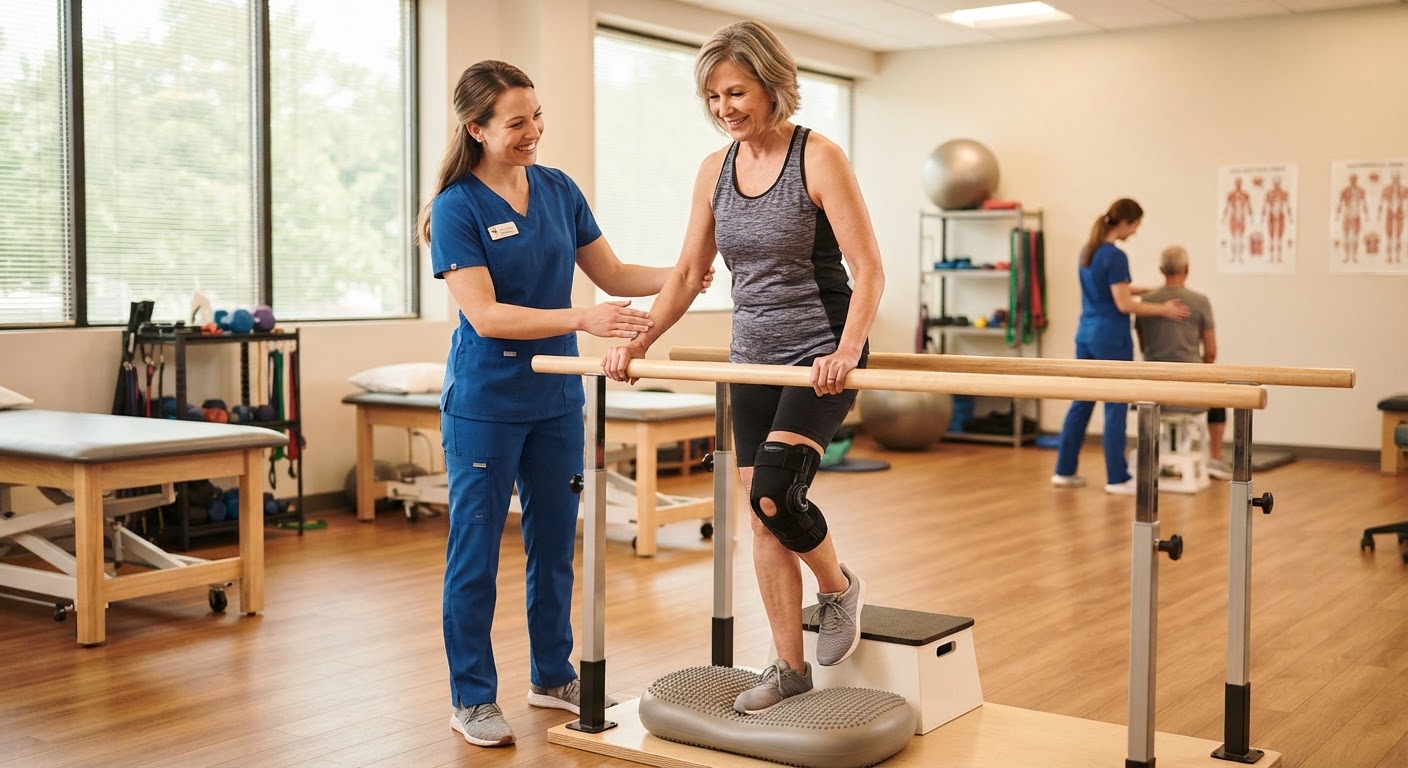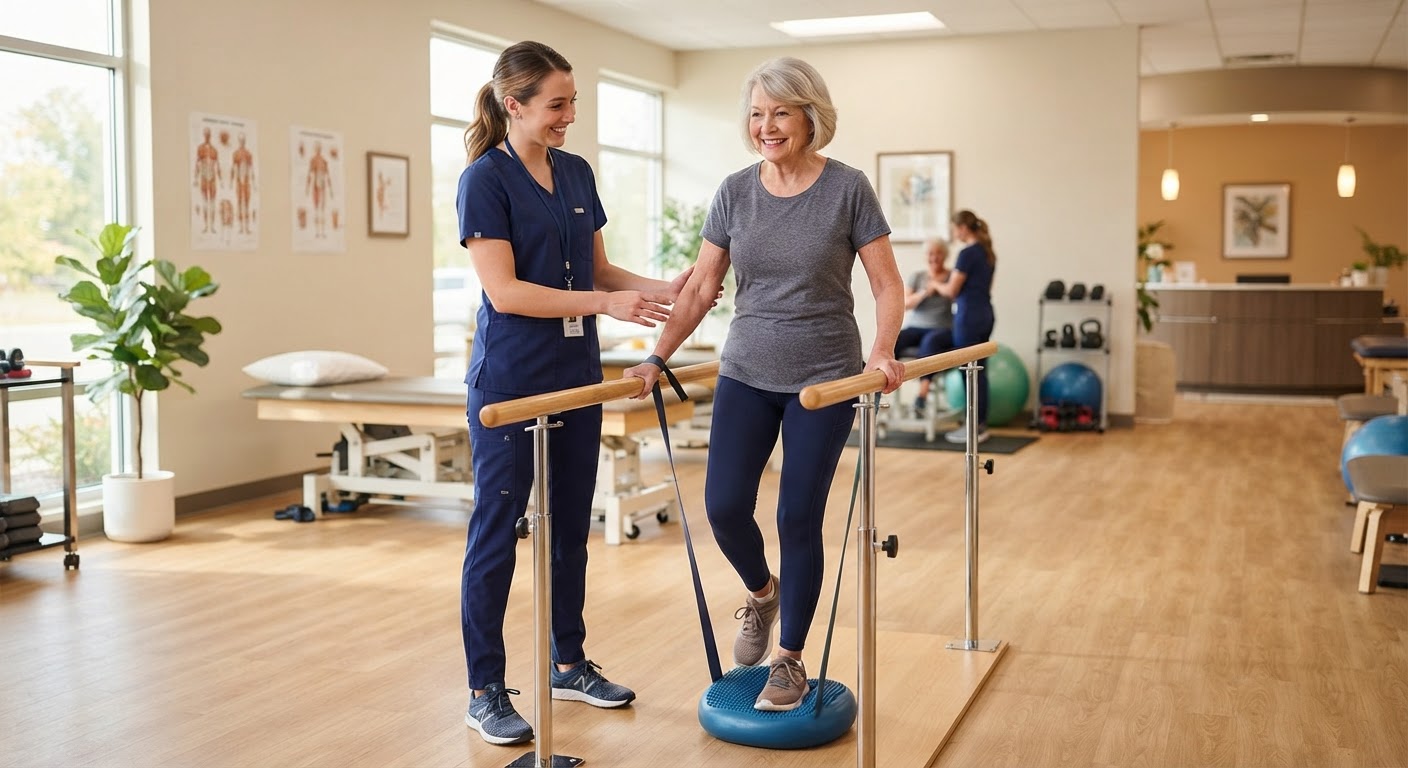
A slip and fall can happen in a moment, but soreness, stiffness, and reduced confidence may continue long afterward. Whether you slipped on a wet floor, tripped on an uneven surface, or fell at home, the injury can affect how you walk, work, sleep, and manage everyday tasks. Physical therapy can help address movement problems, build strength, and support a safe return to the activities that matter to you.
At Physical Therapy NOW™ in Fort Lauderdale, FL, care is tailored to your symptoms, goals, and stage of recovery. Knowing what to do after a fall and when to seek professional guidance can help you take the next step with confidence.
Common Injuries After A Fall
A fall may cause bruising, muscle strains, joint sprains, or irritation in areas such as the back, neck, shoulder, hip, knee, wrist, or ankle. Some people feel immediate pain, while others notice discomfort or stiffness later. A change in walking, trouble reaching overhead, or hesitation when using stairs may also follow an injury.
Not every symptom is easy to assess at home. Seek urgent medical attention after a fall if you have severe pain, significant swelling or deformity, difficulty bearing weight, a suspected fracture, numbness or weakness, or a head injury with confusion, vomiting, worsening headache, or loss of consciousness. If you take blood-thinning medication and hit your head, contact a medical professional promptly. A clinician can evaluate your injury and determine whether imaging or other care is needed. Physical therapy can be part of recovery when it is appropriate for your condition.
How Physical Therapy Supports Recovery
Rehabilitation begins with understanding how the injury affects your movement and daily life. A physical therapist may ask about the fall, your health history, pain, and goals, then assess mobility, strength, balance, walking, and the way you perform relevant activities. The plan is based on your needs rather than a one-size-fits-all schedule.
Depending on the findings, treatment may include gentle range-of-motion exercises, progressive strengthening, balance and coordination activities, walking practice, or guidance on safely returning to work, exercise, and household tasks. A therapist may also discuss ways to manage activity and avoid movements that aggravate symptoms while you heal. Progress is monitored and exercises can be adjusted as your comfort and abilities change.
Pain relief is often an important goal, but recovery is about more than reducing discomfort. Improving movement, restoring strength, and rebuilding confidence can help you participate more comfortably in everyday life. Your therapist can explain which sensations are expected during exercise and when to pause or report a change in symptoms.
What To Do In The First Few Days
After a fall, prioritize safety. Move to a stable place only if you can do so without worsening pain, and ask for help if you feel unsteady. Consider contacting a healthcare professional to discuss your symptoms, especially if pain is increasing or interfering with walking or daily activities.
For a mild injury, relative rest may help at first. This means temporarily reducing activities that clearly aggravate symptoms while continuing comfortable, necessary movement when safe. Avoid pushing through sharp or worsening pain. Follow any instructions from your medical provider, and do not use exercises found online if you are unsure whether they are suitable for your injury.
Keep track of what hurts, what makes it better or worse, and any changes in swelling, movement, or walking. This information can help your healthcare team understand your experience. If symptoms worsen, new symptoms appear, or you are uncertain about the seriousness of the injury, seek medical advice rather than waiting for a routine appointment.
Practical Ways To Lower The Risk Of Another Fall
Recovery can be a good opportunity to review everyday safety. Keep walkways clear of loose cords, clutter, and objects that could catch a foot. Wipe up spills promptly, use adequate lighting, and consider non-slip mats in areas that may get wet. Wear shoes that fit securely and provide suitable traction for the surface.
If balance feels uncertain, use a handrail on stairs and ask a healthcare professional whether an assistive device or balance assessment may be helpful. Avoid rushing, particularly when getting up at night or carrying items that block your view. These steps cannot prevent every fall, but they can reduce common hazards and support safer movement.
Your therapist can help identify movement challenges that may affect stability, such as reduced leg strength, limited joint mobility, or difficulty with balance. Exercises should be selected and progressed to match your ability and health needs. If you feel dizzy or unsteady during an activity, stop and tell your healthcare provider.
A Personalized Path Back To Daily Activities
There is no single timeline for recovery. The type and severity of injury, your overall health, and the demands of your routine can all influence your progress. Consistent, appropriately paced rehabilitation may help you regain function without doing too much too soon. Your physical therapist can work with you on practical goals, such as walking more comfortably, managing stairs, returning to gardening, or feeling steadier while getting dressed.
At Physical Therapy NOW™, the Fort Lauderdale location offers an opportunity to discuss your concerns and learn whether physical therapy may be appropriate for your recovery. Bring any medical instructions or information about your symptoms to your appointment, and be open about activities you want to return to. Clear communication helps your care team make your plan relevant to your life.
Take The Next Step Toward Recovery
You do not have to guess your way through recovery after a slip and fall. If pain, stiffness, weakness, or balance concerns are making daily activities harder, contact Physical Therapy NOW™ in Fort Lauderdale, FL. Call or visit the Fort Lauderdale location to ask about an evaluation and take a practical next step toward rehabilitation, improved movement, and lasting pain relief.
Ready to start feeling better?
Physical Therapy NOW™ has 40+ Florida locations with same-week appointments. Most insurance, auto accident (PIP), workers' compensation and Medicare accepted.