Physical Therapy for Slip and Fall Injuries
A slip or fall can happen in an instant, but soreness, stiffness, and reduced confidence may linger long after the incident. Even a fall that seems minor can leave you with pain or difficulty moving through everyday activities. Physical therapy can help address these challenges with a personalized plan focused on safe movement, rehabilitation, and lasting pain relief.
At Physical Therapy NOW™ in Coral Gables, FL, our team can assess how an injury is affecting your mobility and help you take practical steps toward recovery. Knowing what to do after a fall and when to seek care can make the next steps feel more manageable.
Common Injuries After a Fall
Falls may cause bruises, muscle strains, sprains, joint irritation, or injuries to the back, shoulder, wrist, hip, or knee. A person may also experience stiffness or reduced balance after guarding a sore area or limiting activity. Symptoms do not always appear immediately, so pay attention to changes in pain, swelling, movement, or your ability to complete daily tasks in the hours and days after a fall.
The right care depends on the specific injury and your overall health. A physical therapist can evaluate strength, flexibility, balance, posture, and functional movement. If your symptoms suggest that you need medical testing or care beyond physical therapy, your therapist can advise you to contact an appropriate healthcare provider.
When to Seek Urgent Medical Care
Some symptoms require prompt medical attention rather than a routine therapy appointment. Seek urgent care for severe pain, an obvious deformity, inability to bear weight, significant swelling, or a wound that will not stop bleeding. After a head impact, get medical advice promptly, especially if you experience confusion, worsening headache, vomiting, unusual drowsiness, weakness, or changes in vision. Call emergency services for a suspected serious injury or symptoms that feel life-threatening.
If you are unsure whether an injury needs urgent evaluation, contact a healthcare professional for guidance. Do not try to push through severe pain or force a joint to move.
How Physical Therapy Can Help
Physical therapy after a fall begins with an assessment of your symptoms, movement, and personal goals. Your therapist will consider which activities are difficult, such as walking, climbing stairs, reaching, or getting up from a chair. This information helps shape a plan that fits your needs and progresses at a comfortable pace.
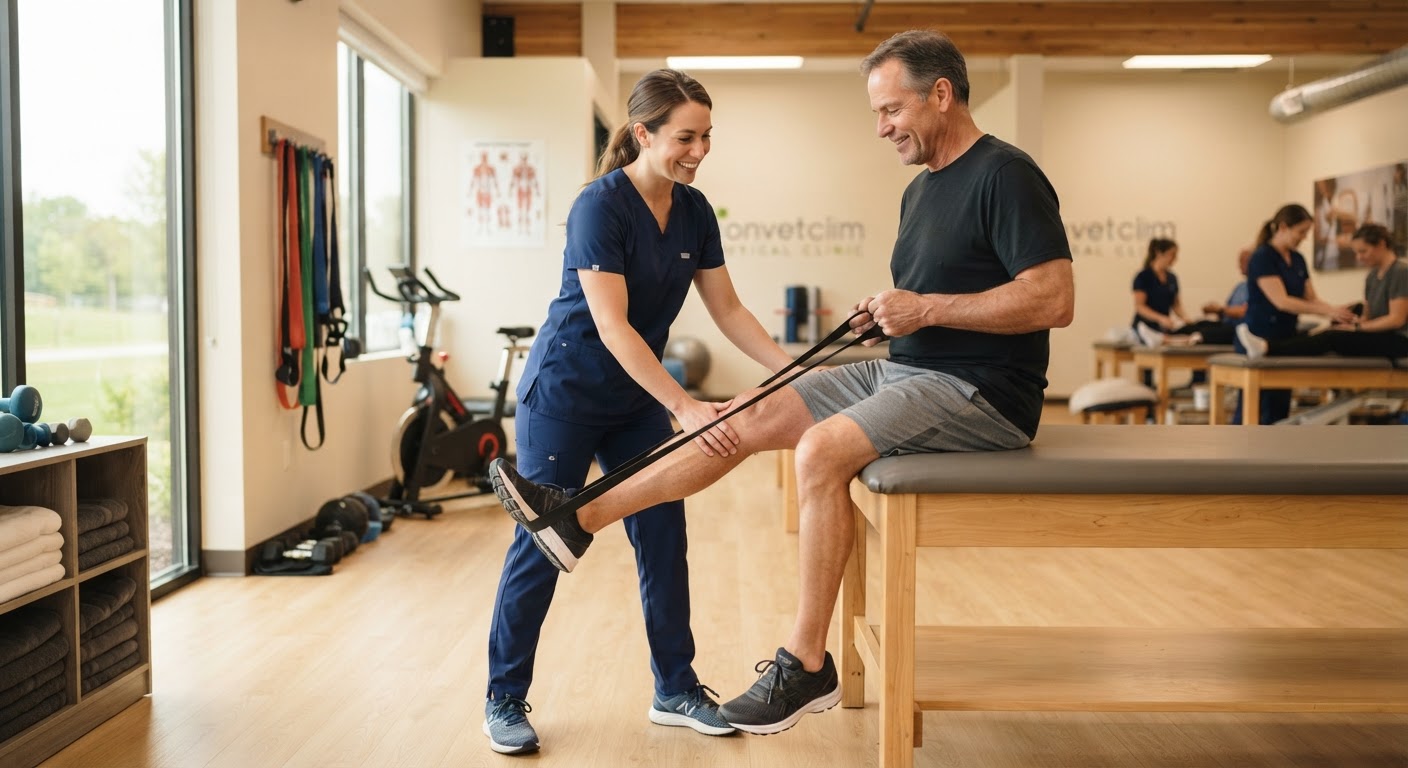
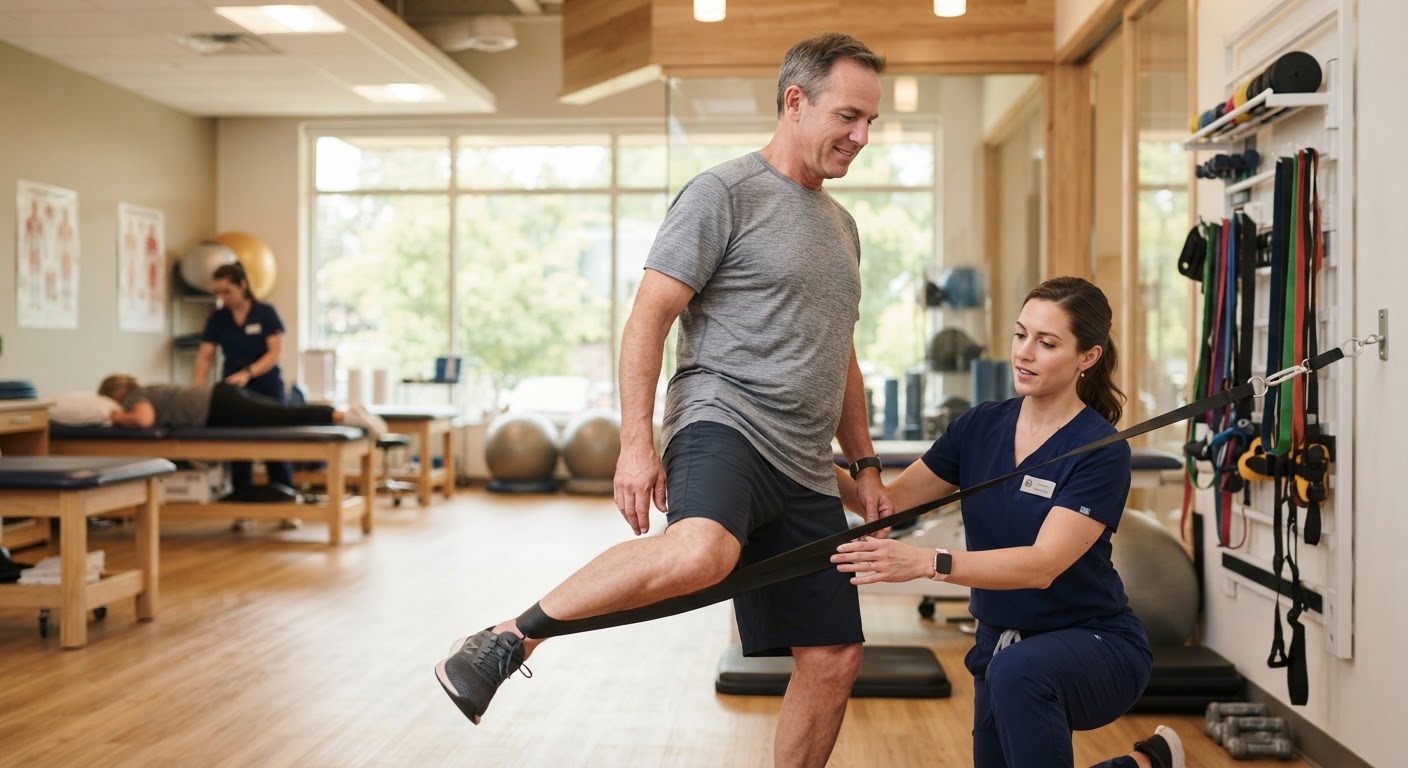
Treatment may include gentle mobility exercises, strengthening, balance practice, and guidance on moving safely during daily activities. Depending on your evaluation, your therapist may also use hands-on techniques or other appropriate treatments to support comfort and movement. The aim is not simply to reduce pain. Rehabilitation can also help you restore function, improve coordination, and feel more confident as you return to your usual routines.
Progress varies from person to person. Your plan may change as symptoms improve, and your therapist can adjust exercises based on how your body responds. Tell your care team if an activity increases your symptoms or if you notice a new concern.
Practical Steps You Can Take at Home
In the first few days, avoid activities that sharply increase pain, but do not assume that staying completely still is best for every injury. Follow any instructions from your medical provider, and ask your physical therapist which movements are appropriate for you. Gentle, comfortable movement may help you maintain mobility, but stop and seek guidance if it causes significant or worsening symptoms.
Make your home safer while you recover. Clear walkways, secure loose rugs, keep frequently used items within easy reach, and make sure rooms and stairs are well lit. Wear shoes with a secure fit and a nonslip sole. Use a handrail on stairs, and avoid carrying bulky items that block your view. If you feel unsteady, ask someone to assist you rather than rushing through a task.
Keep track of what affects your symptoms. Note which activities feel easier or harder and whether pain, swelling, or stiffness changes during the day. This information can help your physical therapist tailor your rehabilitation program. Take prescribed medication only as directed by your healthcare provider, and ask before combining treatments or starting a new exercise routine.
Rebuilding Strength, Balance, and Confidence
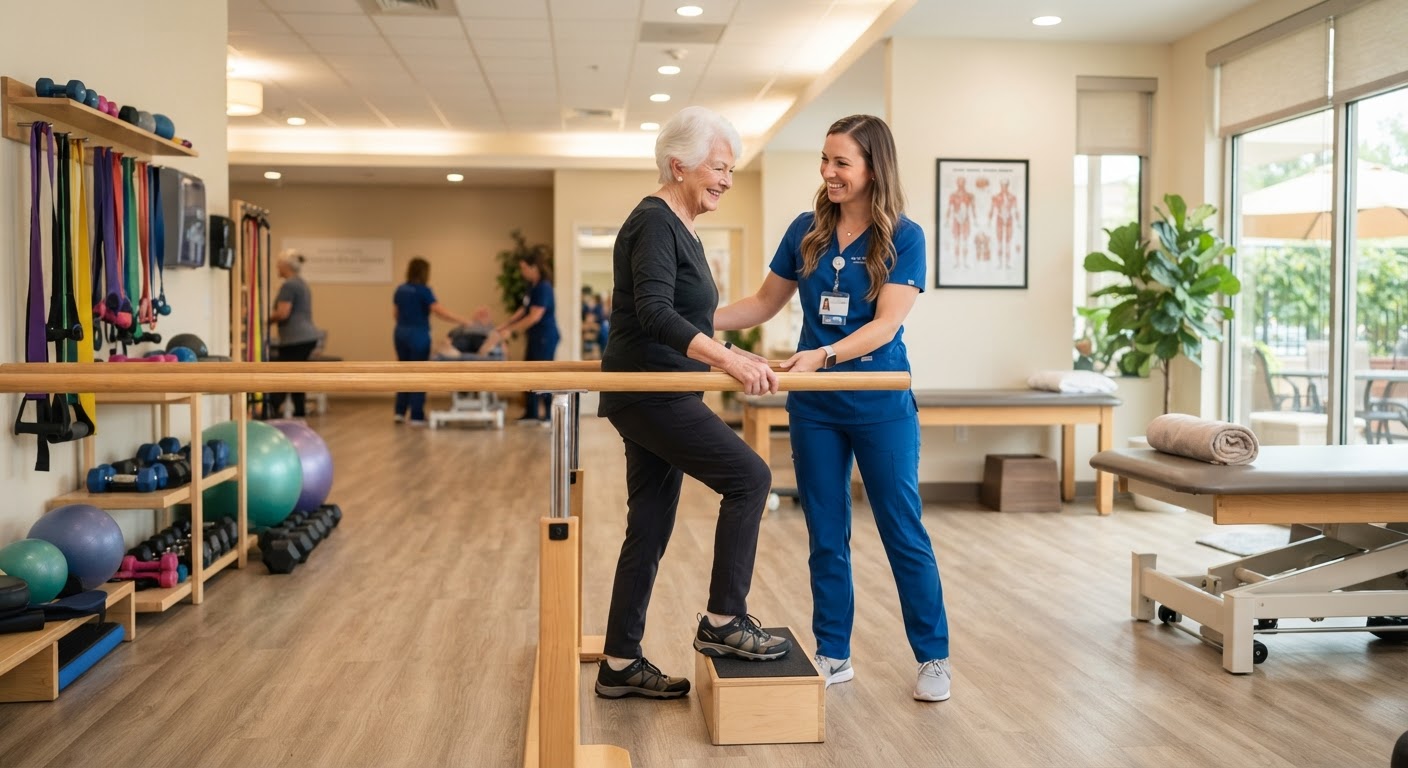
After a fall, some people become cautious about walking or moving around. That reaction is understandable, but avoiding activity for too long can make it harder to regain strength and confidence. A therapist can help you practice challenging movements in a controlled way and progress exercises as your abilities improve.
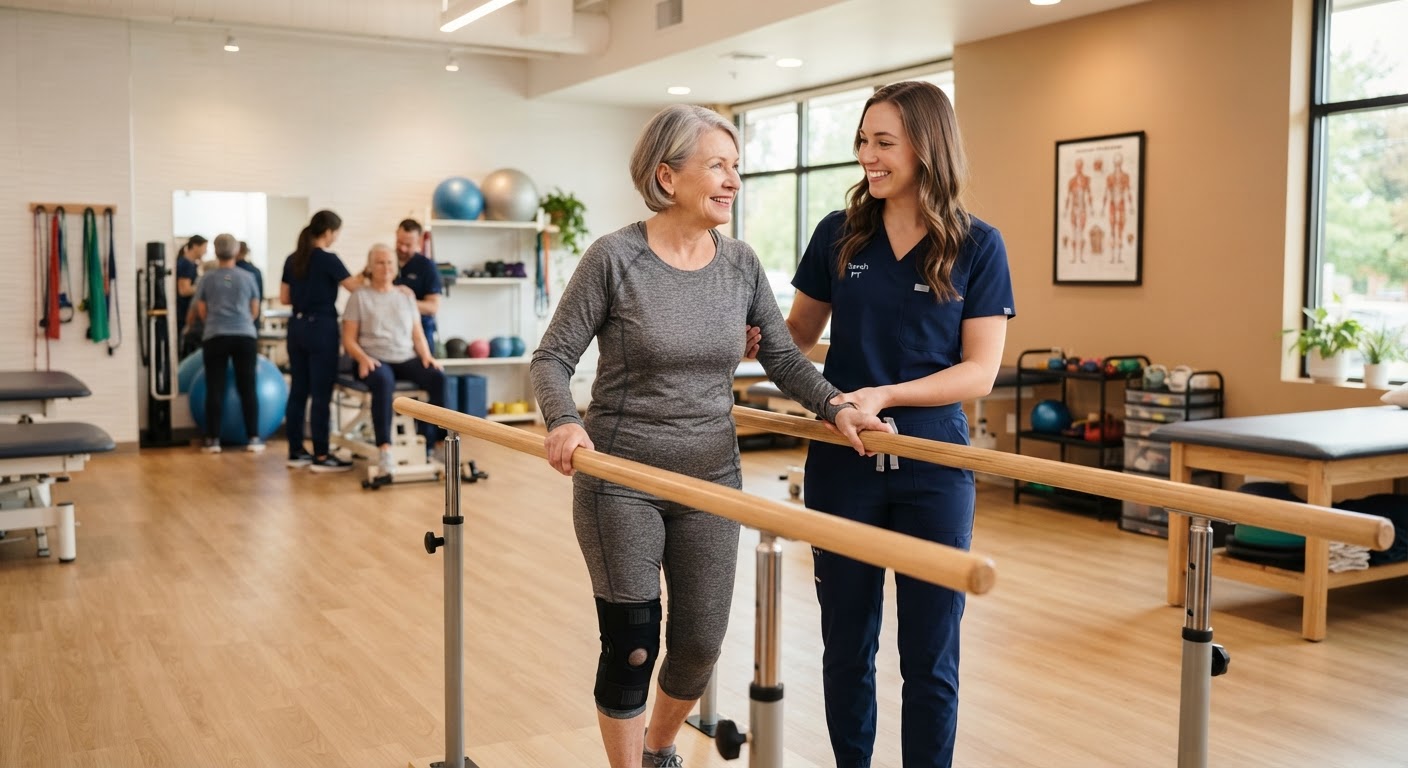
Balance training may be useful when an evaluation shows that balance or coordination needs attention. Strength and mobility exercises can also help you prepare for daily tasks, from standing up to walking on different surfaces. Your therapist can show you how to perform exercises with good form and explain how often to practice them. Consistency matters, but exercises should match your current ability rather than cause a flare-up.
A thoughtful return to activity is especially important if you are older, have had previous falls, or manage a health condition that affects strength or balance. Share relevant health history and any concerns with your care team so your plan can account for your needs.
Start Your Recovery With Support
You do not have to navigate recovery alone. Physical Therapy NOW™ provides individualized care at its Coral Gables, FL location to help patients work toward improved movement, pain relief, and confidence after a slip and fall. A timely evaluation can help clarify your next steps and identify strategies for safer activity.
If a fall has left you with pain, stiffness, or trouble moving comfortably, contact or visit Physical Therapy NOW™ in Coral Gables to discuss your needs and schedule an evaluation. Our team is ready to help you take the next step toward recovery.
Ready to start feeling better?
Physical Therapy NOW™ has 40+ Florida locations with same-week appointments. Most insurance, auto accident (PIP), workers' compensation and Medicare accepted.