A slip or fall can happen in an instant, but soreness, stiffness, and difficulty moving may last much longer. Even when an injury does not seem serious at first, pain can emerge or worsen over the next few days. Physical therapy can help you understand what your body needs, rebuild strength and mobility, and return to everyday activities with greater confidence.
At Physical Therapy NOW™, our team provides individualized care for people recovering from injuries and movement challenges. If you have fallen in Hallandale Beach, FL, a physical therapist can assess your symptoms and help determine whether rehabilitation may be a useful part of your recovery.
Common Injuries After A Fall
Falls can affect many parts of the body. A sudden twist or attempt to catch yourself may strain muscles or ligaments in the back, neck, shoulder, wrist, or ankle. Landing on a hip or knee can cause bruising, swelling, or joint pain. Some people also experience reduced balance or feel hesitant about walking after a fall.
Symptoms can include tenderness, stiffness, limited range of motion, difficulty bearing weight, or pain with reaching, bending, and climbing stairs. These signs do not reveal the exact cause on their own. A healthcare professional can evaluate your condition and recommend appropriate next steps.
When To Seek Medical Attention
Seek urgent medical care after a fall if you have severe pain, visible deformity, significant swelling, numbness, weakness, difficulty breathing, or cannot put weight on an injured leg. A head impact also deserves prompt attention, especially if you experience confusion, worsening headache, vomiting, unusual sleepiness, vision changes, or loss of consciousness. Call emergency services for severe or rapidly worsening symptoms.
If symptoms are mild but do not improve, or they interfere with normal activities, arrange an evaluation with a healthcare professional. A physical therapist can assess movement and function, but some injuries need medical imaging or other care before exercise begins. Follow the recommendations of your clinician and do not push through sharp or increasing pain.
How Physical Therapy Supports Recovery
Physical therapy begins with an assessment of your symptoms, movement, strength, balance, and daily goals. Your therapist may ask how the fall happened, what activities are difficult, and whether symptoms have changed. This information helps shape a plan suited to your needs rather than relying on a one-size-fits-all routine.
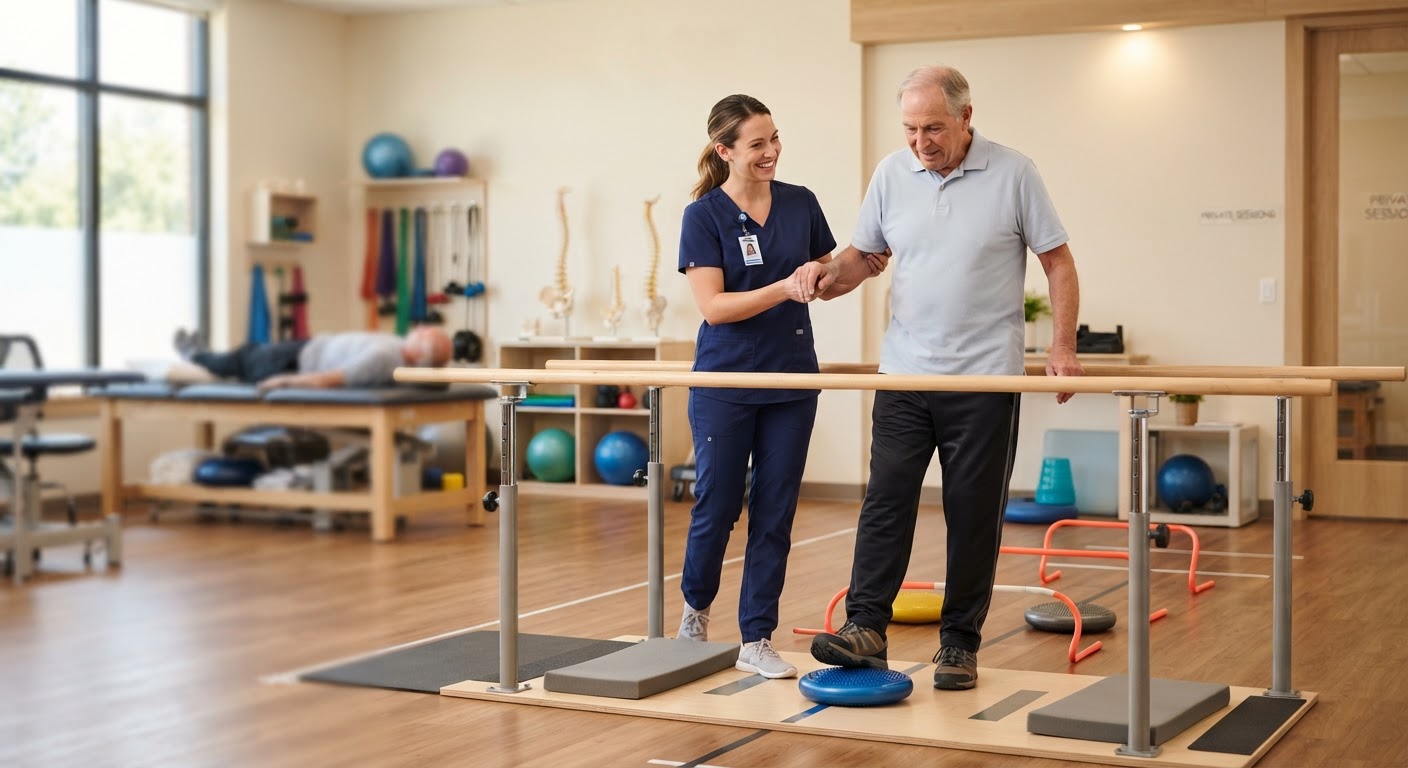
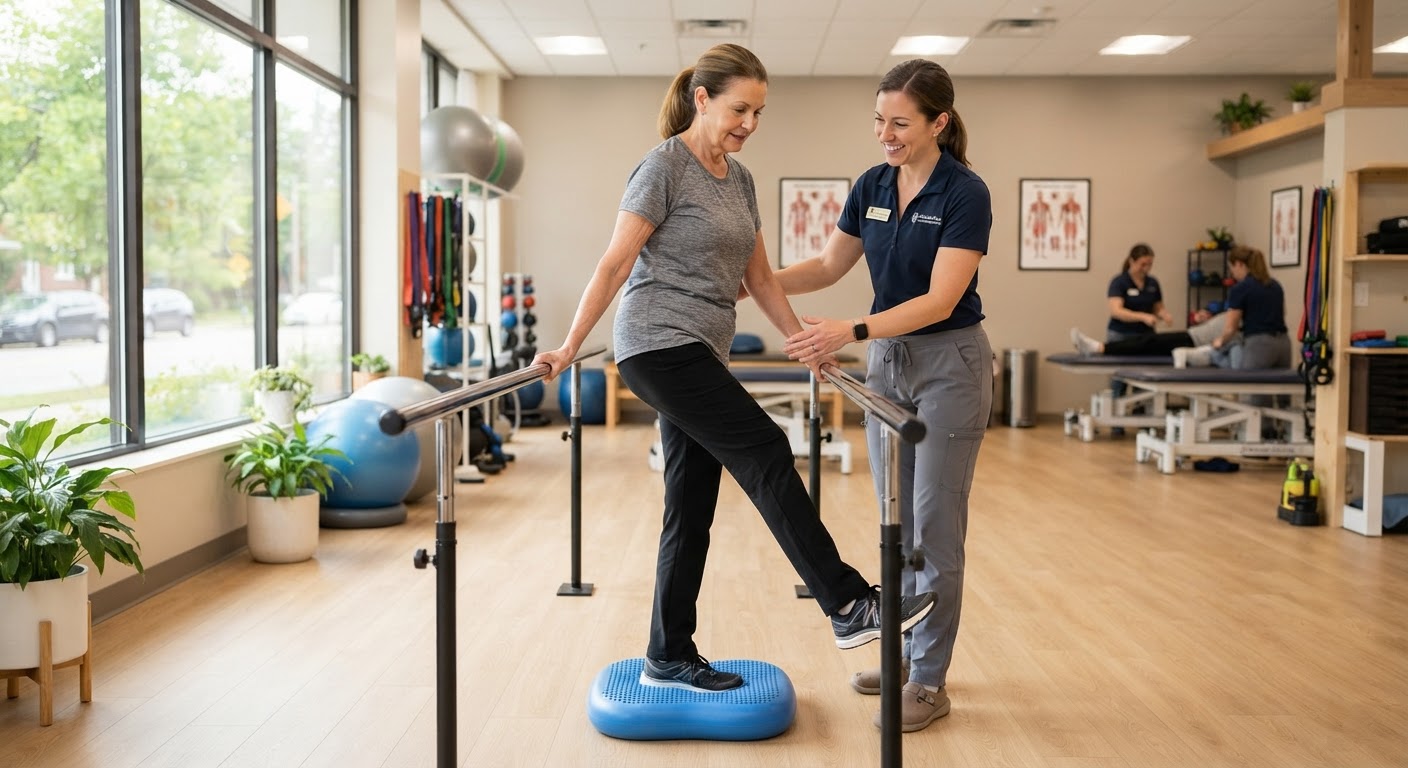
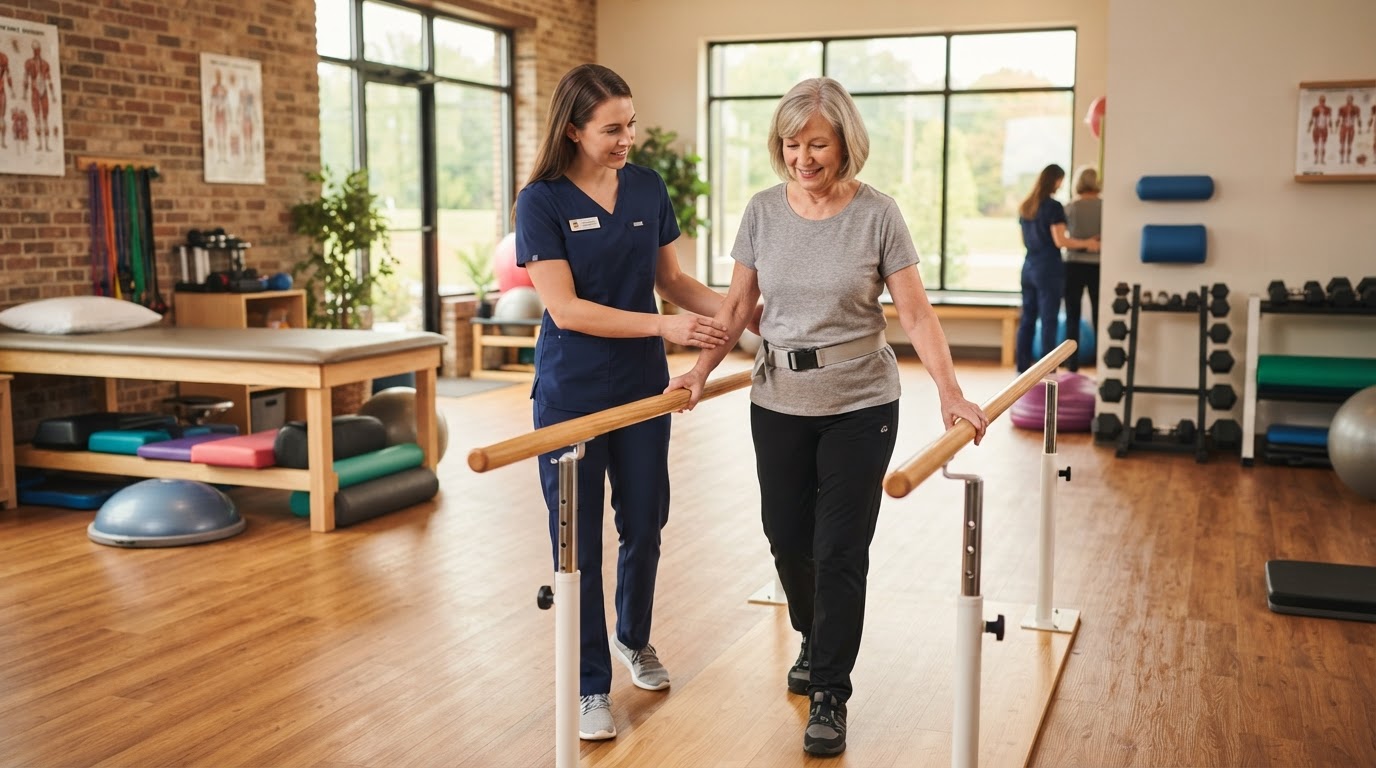
Depending on the injury and your clinician’s guidance, treatment may include gentle mobility exercises, progressive strengthening, balance practice, and education on moving safely. Your therapist can adjust the intensity as your abilities change. The aim is to improve function while respecting your symptoms and recovery process.
Rehabilitation may also address the activities that matter most to you, such as walking comfortably, getting up from a chair, reaching overhead, or returning to work and recreation. If fear of falling has made you less active, gradual, supervised practice can help you rebuild confidence. Progress varies from person to person, and your plan may change as you recover.
Practical Steps You Can Take At Home
In the first few days, avoid activities that clearly aggravate your symptoms and follow any medical instructions you have received. Gentle movement within a comfortable range may help prevent unnecessary stiffness, but rest when you need it. Ask your clinician whether ice, heat, or a particular movement is appropriate for your injury, since recommendations can differ.
Keep track of what makes symptoms better or worse. Note changes in swelling, walking, sleep, and your ability to manage routine tasks. Share this information at your appointment. Avoid returning too quickly to strenuous activity, and do not use pain medication as a reason to ignore worsening symptoms.
Make your home easier to navigate while you recover. Clear walkways, secure loose rugs, improve lighting, and keep frequently used items within easy reach. Wear shoes that fit securely and have a stable sole. If you feel unsteady, use a recommended support and ask someone for help rather than risking another fall.
Building Strength And Preventing Future Falls
Once it is safe to exercise, a physical therapist can guide activities that develop leg and trunk strength, coordination, and balance. The right exercises depend on your health, injury, and current abilities. Begin at a manageable level, use a stable surface or support when advised, and stop if you develop new or concerning symptoms.
Prevention also includes looking at environmental and personal factors. Good lighting, clear stairs, handrails, and non-slip surfaces can reduce common hazards. Regular activity and appropriate footwear may support steadier movement. If you have recurring dizziness or balance concerns, discuss them with a healthcare professional instead of trying to manage them alone.
Take The Next Step Toward Recovery
You do not have to navigate recovery by guessing which movements are safe or how quickly to resume your routine. Physical Therapy NOW™ can help you explore a personalized rehabilitation plan focused on mobility, function, and pain relief. Visit or call the Hallandale location in Hallandale Beach, FL, to ask about an evaluation and discuss your goals. Taking an informed first step can help you move forward with a clearer plan.
Ready to start feeling better?
Physical Therapy NOW™ has 40+ Florida locations with same-week appointments. Most insurance, auto accident (PIP), workers' compensation and Medicare accepted.