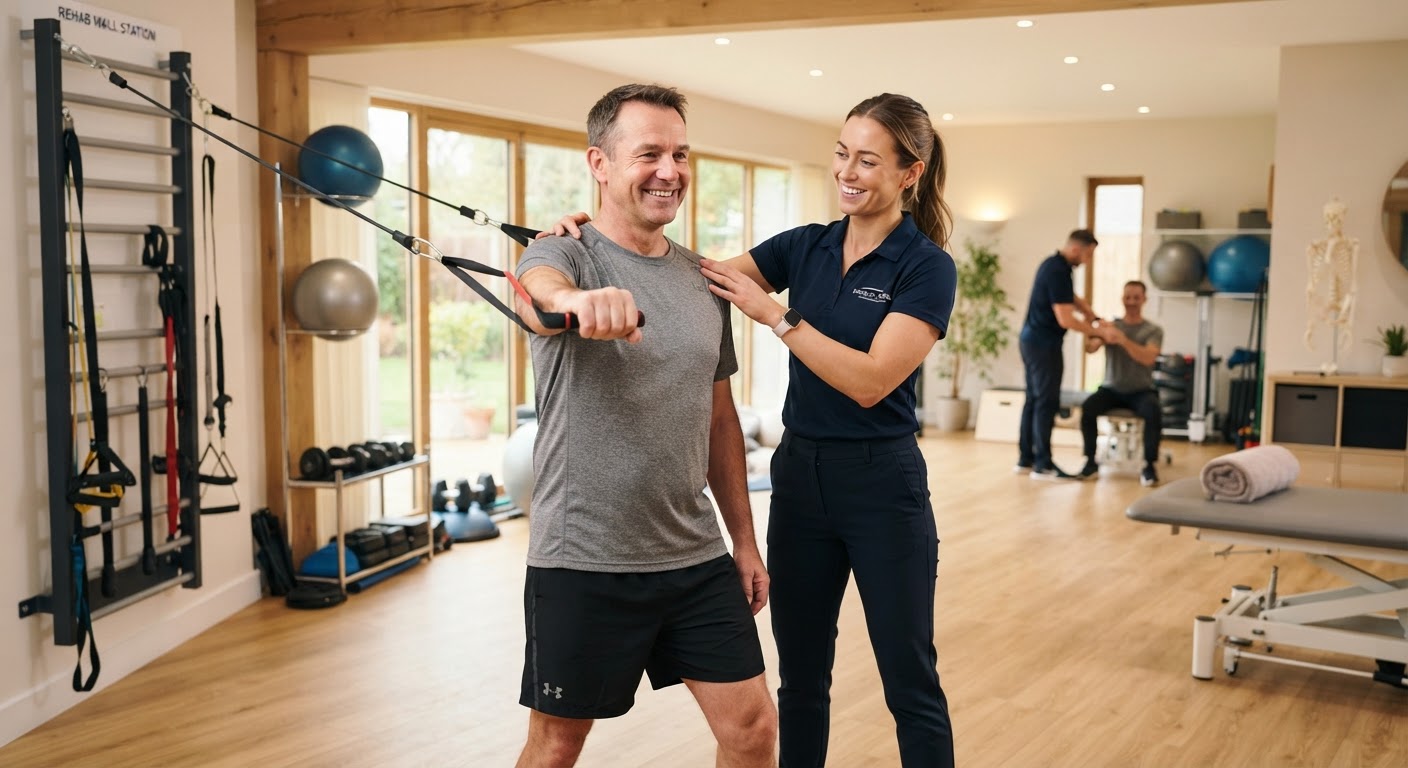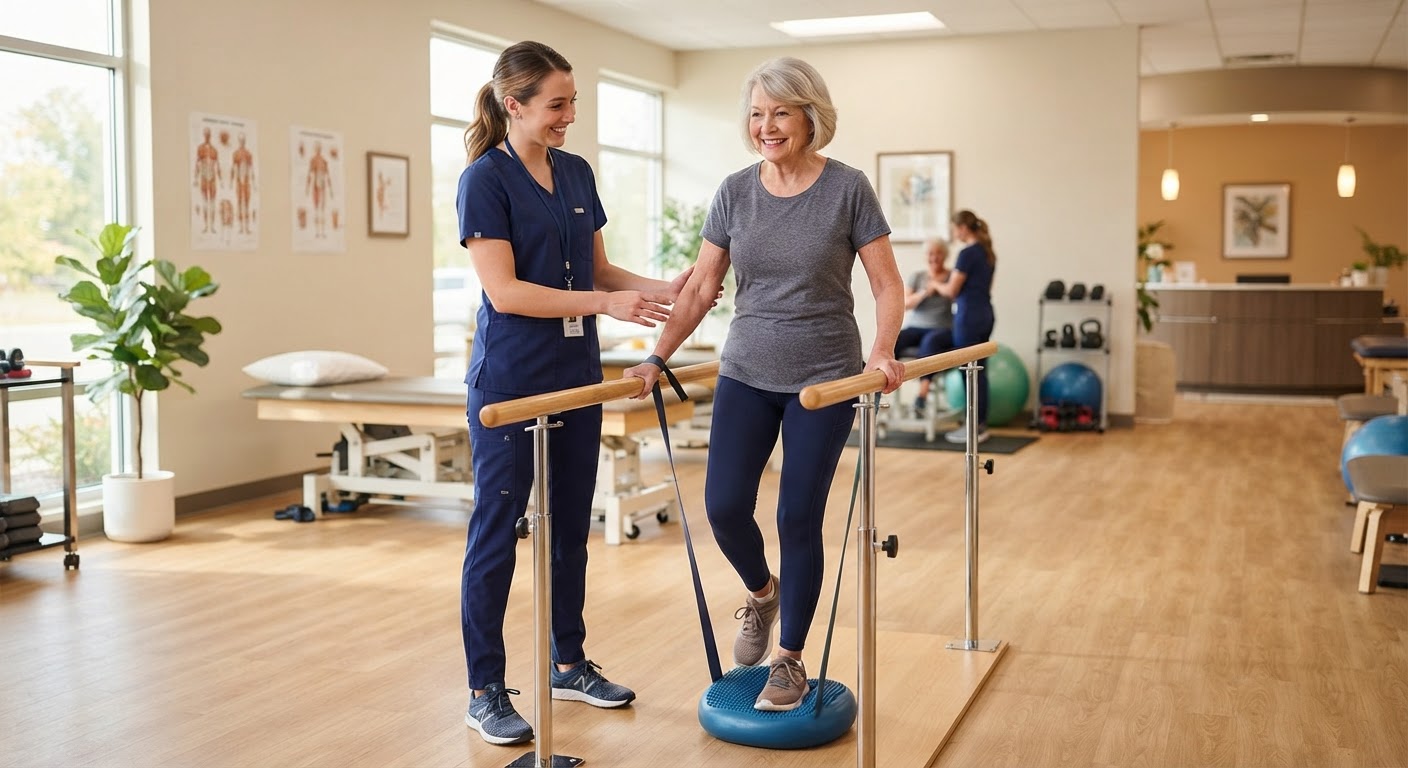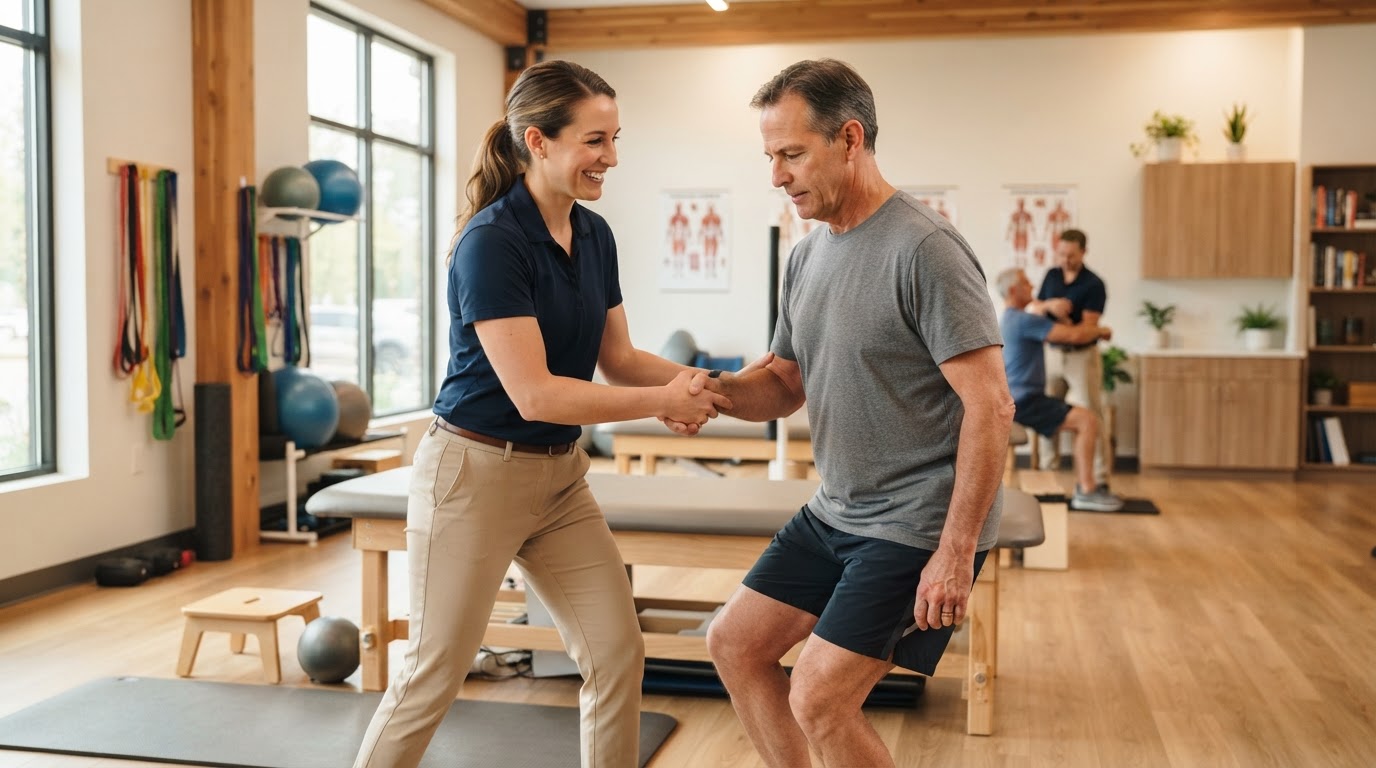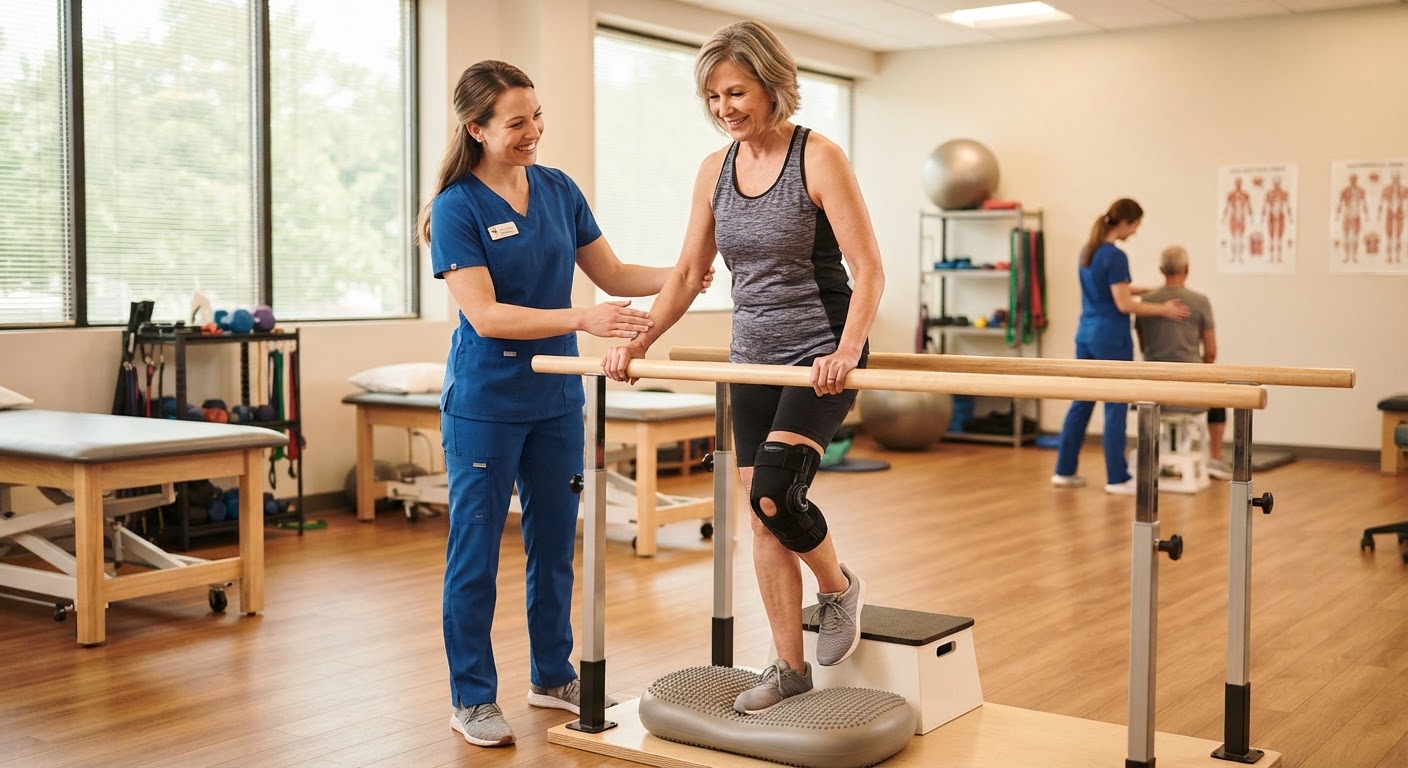
A slip and fall can happen in a moment, but soreness, stiffness, and difficulty moving may linger long after the incident. Even when an injury seems minor at first, pain can become more noticeable over the next few days. Physical therapy can help you understand what your body needs, rebuild movement and strength, and make a safe plan for returning to everyday activities.
At Physical Therapy NOW™ in Altamonte Springs, FL, care is tailored to your symptoms, goals, and abilities. Whether you are dealing with a sprain, a muscle strain, joint pain, or reduced balance after a fall, a physical therapist can guide your rehabilitation and help you move forward with confidence.
Common Injuries After A Fall
A fall may affect several parts of the body. People commonly experience bruising, muscle strains, sprains, or pain in the back, neck, shoulder, wrist, hip, knee, or ankle. Trying to catch yourself can place sudden force on your hands and arms, while landing directly on a joint may cause swelling and tenderness. A fall can also aggravate an existing condition or make it harder to walk and manage daily tasks.
Symptoms do not always appear immediately. Pay attention to increasing pain, swelling, stiffness, weakness, or changes in how you walk. If pain is severe, you cannot put weight on a limb, or you suspect a fracture, seek medical care promptly. A head impact deserves special attention. Get urgent medical help for symptoms such as confusion, repeated vomiting, worsening headache, fainting, or unusual drowsiness. Physical therapy is not a substitute for emergency evaluation or medical diagnosis.
How Physical Therapy Can Help
Physical therapy begins with an assessment of your movement, strength, balance, pain, and ability to complete daily activities. Your therapist may ask how the fall happened, what movements are difficult, and what you want to get back to doing. This information helps shape a plan that matches your needs rather than relying on a one-size-fits-all approach.
Depending on your evaluation and stage of recovery, treatment may include gentle mobility exercises, progressive strengthening, balance practice, walking or stair training, and guidance on pacing activity. Your therapist may also teach you ways to move that reduce unnecessary strain while an injury heals. The plan can be adjusted as your symptoms and function change.
The goals are practical: improve comfortable movement, restore strength and coordination, and help you participate in work, home, and recreational activities. Rehabilitation may also address fear or hesitation about moving after a fall. Building confidence gradually, with exercises that suit your current ability, can make it easier to return to normal routines.
Simple Steps To Support Recovery
Follow the advice of your healthcare professional, especially if you have been given restrictions or need further testing. Avoid pushing through sharp or worsening pain. Some temporary discomfort can occur with movement, but your therapist can help you understand what is appropriate for your condition and when an exercise should be changed.
Keep track of what affects your symptoms. Note which activities feel easier or harder, when swelling or stiffness increases, and whether your walking or balance has changed. Sharing these observations at an appointment can help your therapist tailor your program.
Stay gently active when it is safe and consistent with your medical guidance. Short, manageable bouts of movement may be more comfortable than doing too much at once. Take breaks, use supportive footwear, and follow any instructions you receive about assistive devices. If symptoms suddenly worsen or you develop new concerning symptoms, contact a medical professional.
Preventing Another Slip And Fall
Recovery is also a good time to look for everyday fall hazards. Keep walkways clear, secure loose rugs, and make sure stairs and entrances are well lit. Clean spills promptly and use nonslip mats where floors may become wet. Wear shoes that fit well and provide reliable traction, particularly outdoors or on slick surfaces.
If balance, strength, or confidence remains a concern, ask your physical therapist whether exercises or a home safety review may be appropriate. A therapist can help identify movement challenges and suggest practical strategies based on your abilities and environment. Small changes, such as using a handrail or keeping frequently used items within easy reach, may make daily tasks feel more manageable.
What To Expect From Rehabilitation
Recovery looks different for each person. The type of injury, your overall health, the activities you need to return to, and how your symptoms respond all influence the pace of rehabilitation. Your therapist can explain your plan, monitor progress, and make changes when needed. Consistency matters, but so does allowing your body time to recover.
At Physical Therapy NOW™, the Altamonte Springs location can help you take the next step after a slip and fall. If you are unsure whether physical therapy is appropriate, ask your healthcare provider or contact the clinic to discuss your situation and scheduling options.
Take The Next Step
You do not have to navigate pain and reduced mobility alone. Physical therapy may provide a structured path toward pain relief, better movement, and a safer return to daily life. Visit or call Physical Therapy NOW™ in Altamonte Springs, FL, to ask about an appointment and learn how the team can support your recovery.
Ready to start feeling better?
Physical Therapy NOW™ has 40+ Florida locations with same-week appointments. Most insurance, auto accident (PIP), workers' compensation and Medicare accepted.