How Physical Therapy Helps with Sciatica Pain
Sciatica is a term that strikes fear into the hearts of many, often conjuring images of sharp, shooting pain radiating from the lower back down one leg. It’s a common condition, affecting millions of people annually, and can significantly impact daily life, making even simple tasks feel impossible. If you're experiencing this debilitating discomfort in the Lauderhill, FL, area, you're not alone, and there's good news: physical therapy offers a highly effective, non-invasive path to relief and recovery.
At Physical Therapy NOW™, conveniently located in Sunrise, we specialize in diagnosing and treating the root causes of sciatica, helping our patients regain mobility, reduce pain, and return to their active lives. But how exactly does physical therapy achieve this? Understanding Sciatica: More Than Just Back Pain
Before delving into the treatment, it's crucial to understand what sciatica truly is. Sciatica isn't a diagnosis itself but rather a symptom of an underlying problem affecting the sciatic nerve. This nerve, the longest and thickest in the body, originates in the lower back, runs through the buttocks, and extends down each leg, branching into smaller nerves.
Sciatica pain occurs when the sciatic nerve becomes compressed, irritated, or inflamed. Common causes include: • Herniated or Slipped Disc: This is the most frequent cause, where the soft cushioning between vertebrae bulges out and presses on the nerve. • Spinal Stenosis: A narrowing of the spinal canal, which can put pressure on the spinal cord and nerves. • Piriformis Syndrome: The piriformis muscle, located deep in the buttock, can spasm and compress the sciatic nerve. • Spondylolisthesis: A condition where one vertebra slips forward over another. • Trauma or Injury: Direct injury to the lower back or pelvis.
The pain associated with sciatica can vary from a mild ache to a sharp, burning sensation or excruciating discomfort. It may be accompanied by numbness, tingling, or muscle weakness in the affected leg or foot. For those dealing with sciatica pain in back pain, finding the right approach to treatment is paramount. The Physical Therapy NOW™ Approach to Sciatica Relief
Unlike temporary solutions like pain medication, physical therapy addresses the underlying mechanical issues contributing to sciatica. Our comprehensive approach at Physical Therapy NOW™ in Lauderhill, FL, focuses on restoring normal function, alleviating pain, and preventing future occurrences. Here’s a breakdown of how we help: 1. Comprehensive Assessment and Diagnosis
The first step is a thorough evaluation. Our skilled physical therapists will conduct a detailed examination, review your medical history, and discuss your symptoms. This helps us accurately identify the cause of your sciatica and develop a personalized treatment plan tailored to your specific needs. We look beyond just the pain to understand the posture, movement patterns, and muscle imbalances that might be contributing to your condition. 2. Pain Management Techniques
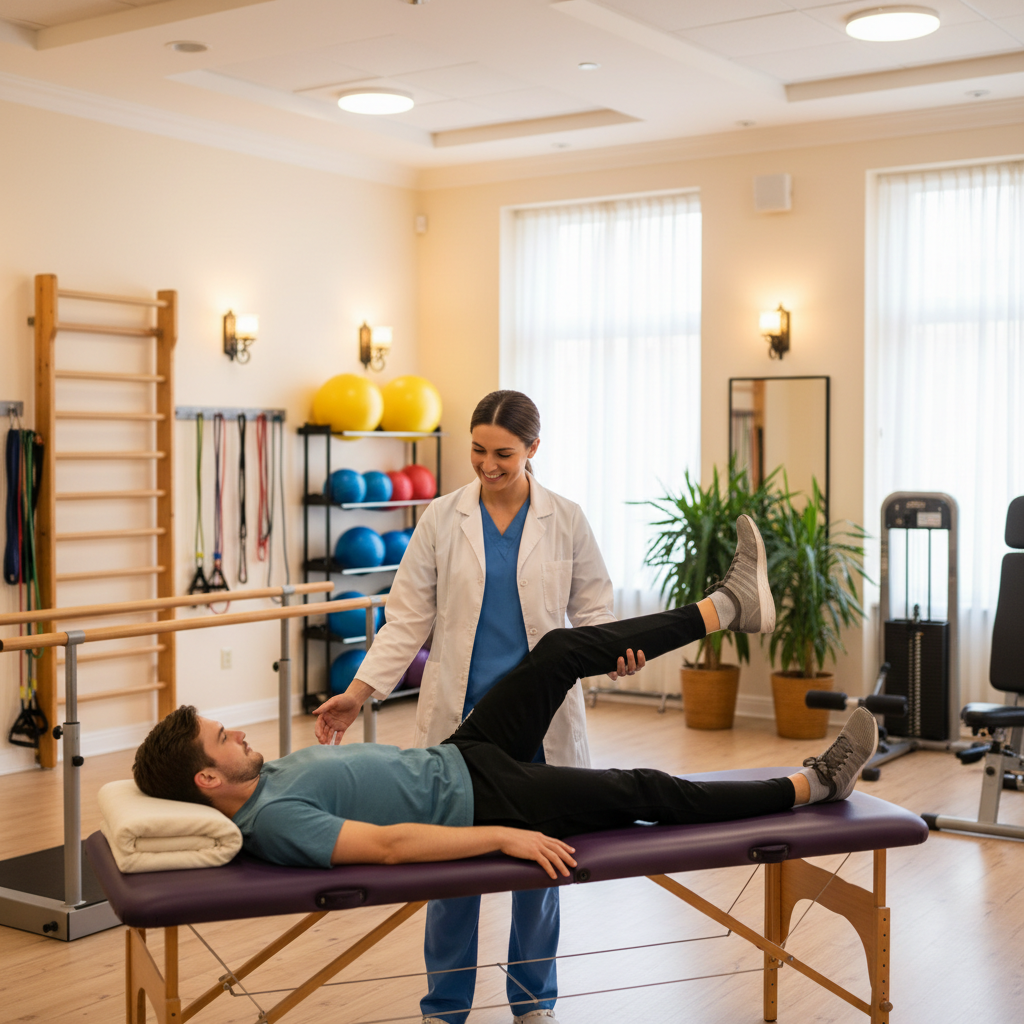
Reducing acute pain is often the immediate priority. We utilize various modalities to calm the irritated nerve and surrounding tissues, including: • Manual Therapy: Hands-on techniques such as massage, mobilization, and manipulation to improve joint movement, reduce muscle tension, and alleviate nerve compression. • Therapeutic Modalities: Application of heat, cold, electrical stimulation, or ultrasound to decrease inflammation and pain. 3. Therapeutic Exercises for Strength and Flexibility
Targeted exercises are the cornerstone of sciatica treatment. These exercises are designed to: • Strengthen Core Muscles: A strong core (abdominal and back muscles) provides better support for the spine, reducing stress on the sciatic nerve. • Improve Flexibility: Stretching tight muscles, particularly in the lower back, hips, and hamstrings, can reduce nerve compression and improve range of motion. • Nerve Gliding Exercises: Also known as nerve flossing, these specific exercises help the sciatic nerve move freely through its pathway, reducing irritation. 4. Postural Correction and Body Mechanics Training
Poor posture and improper body mechanics are significant contributors to sciatica. Our therapists will teach you how to: • Maintain Proper Posture: Whether sitting, standing, or sleeping, understanding correct spinal alignment is crucial. • Lift Safely: Learning how to lift objects using your legs, not your back, can prevent re-injury. • Ergonomic Adjustments: Recommendations for optimizing your workspace and daily activities to minimize strain on your back. 5. Education and Self-Management Strategies
Empowering you with knowledge is a key aspect of our treatment. We'll educate you about your condition, provide strategies for managing flare-ups, and teach you exercises you can perform at home to maintain your progress. Our goal is not just to treat your current pain but to equip you with the tools to prevent future episodes. Practical Tips for Managing Sciatica Pain at Home
While professional physical therapy is essential, there are steps you can take at home to complement your treatment and manage your symptoms: • Stay Active (Within Limits): Avoid prolonged bed rest, as it can worsen symptoms. Gentle movement, as advised by your therapist, is beneficial. • Apply Heat or Cold: Use ice packs for acute pain and inflammation, and heat packs for muscle relaxation and chronic stiffness. • Gentle Stretching: Perform stretches recommended by your physical therapist to maintain flexibility. • Avoid Prolonged Sitting: Take frequent breaks to stand up and move around if your job requires long periods of sitting. • Sleep Smart: Use a firm mattress and consider placing a pillow between your knees if you sleep on your side, or under your knees if you sleep on your back, to maintain spinal alignment. Why Choose Physical Therapy NOW™ in Lauderhill, FL?
At Physical Therapy NOW™ (Sunrise location), we pride ourselves on providing individualized, evidence-based care. Our team of compassionate and highly trained physical therapists is dedicated to helping you achieve lasting relief from sciatica pain. We understand the unique challenges of sciatica pain in back pain and are committed to guiding you through every step of your recovery journey.
Don't let sciatica control your life. With the right physical therapy intervention, you can reduce pain, improve function, and rediscover the joy of movement.
Ready to take the first step towards a pain-free life? Take Action Against Sciatica Pain Today!
If you're suffering from sciatica pain, don't wait for it to get worse. Contact Physical Therapy NOW™ in Sunrise today to schedule your comprehensive evaluation. Our dedicated team is ready to help you find lasting relief and get back to doing what you love. Call us at [Insert Phone Number Here] or visit our clinic at [Insert Address Here] in Lauderhill, FL. Your journey to a pain-free life starts NOW!
Ready to start feeling better?
Physical Therapy NOW™ has 40+ Florida locations with same-week appointments. Most insurance, auto accident (PIP), workers' compensation and Medicare accepted.