Finding Relief from Sciatica Pain: How Physical Therapy Can Help
Sciatica – it’s a word that often conjures images of sharp, shooting pain radiating from the lower back down one leg. If you've ever experienced it, you know it's more than just a nuisance; it can be debilitating, affecting your ability to work, sleep, and enjoy everyday activities. Many people in Orlando, FL, and around the world suffer from this common condition. While the pain can be intense, the good news is that physical therapy offers a highly effective, non-invasive approach to managing and resolving sciatica.
At Physical Therapy NOW™, we understand the profound impact sciatica can have on your life. Our goal is to empower you with knowledge and provide expert care to help you find lasting relief. Let's delve into what sciatica is and, more importantly, how physical therapy can be your pathway back to a pain-free life. What Exactly is Sciatica?
Sciatica isn't a condition in itself but rather a symptom of an underlying problem affecting the sciatic nerve. The sciatic nerve is the longest and thickest nerve in your body, originating from nerve roots in your lower spine, running through your buttocks, and extending down each leg to your feet. When this nerve becomes compressed, irritated, or inflamed, it can lead to the characteristic symptoms of sciatica.
Common symptoms of sciatica include: • Pain: Often described as a sharp, burning, shooting, or electric-like sensation that travels from the lower back, through the buttock, and down the back or side of the leg. The intensity can vary from a dull ache to an excruciating jolt. • Numbness or Tingling: A 'pins and needles' sensation or loss of feeling in the affected leg or foot. • Weakness: Difficulty moving the leg or foot, or a feeling of weakness in the affected limb. • Aggravated by Movement: Symptoms often worsen with prolonged sitting, standing, coughing, sneezing, or specific movements. What Causes Sciatica Pain?
Understanding the root cause of your sciatica is crucial for effective treatment. Several conditions can lead to sciatic nerve compression: Herniated or Slipped Disc
This is the most common cause. The soft, gel-like center of a spinal disc can bulge or rupture through its outer layer, putting pressure directly on the sciatic nerve root. Spinal Stenosis
A narrowing of the spinal canal, often due to age-related changes like bone spurs or thickened ligaments, can impinge upon the nerves. Piriformis Syndrome
The piriformis muscle, located deep in the buttock, can spasm or tighten, compressing the sciatic nerve that runs either through or beneath it. This is a common cause of sciatica-like symptoms that don't originate from the spine. Spondylolisthesis
This occurs when one vertebra slips forward over another, potentially pinching the sciatic nerve. Other Causes
Less common causes include spinal tumors, infection, or trauma. Why Physical Therapy is Your Best Ally Against Sciatica
When dealing with sciatica pain in back pain, many people initially reach for pain relievers or consider more invasive options. However, physical therapy offers a comprehensive, conservative approach that addresses the underlying issues, not just the symptoms. It’s about restoring function, reducing pain, and preventing future occurrences. Comprehensive Assessment and Diagnosis
Your journey at Physical Therapy NOW™ in Orlando begins with a thorough evaluation. Our experienced physical therapists will assess your medical history, perform a detailed physical examination, and conduct specific tests to pinpoint the exact cause of your sciatica. This personalized approach ensures your treatment plan is tailored precisely to your unique needs. Pain Management Techniques
Reducing acute pain is often the first step. Your therapist may use a variety of modalities to help calm the nerve and decrease inflammation: • Manual Therapy: Hands-on techniques like soft tissue mobilization, massage, and joint mobilizations to relieve muscle tension, improve joint mobility, and decompress the nerve. • Therapeutic Modalities: Application of heat or cold therapy, electrical stimulation (TENS), or ultrasound to reduce pain and inflammation. Targeted Exercises for Relief and Strength
Exercise is a cornerstone of sciatica treatment. While it might seem counterintuitive to move when you're in pain, specific exercises are designed to: • Decompress the Nerve: Movements that create space around the sciatic nerve, such as McKenzie exercises for disc-related issues. • Strengthen Core Muscles: A strong core (abdominal and back muscles) provides better spinal support, reducing pressure on the sciatic nerve. • Improve Flexibility: Stretching tight muscles, like the hamstrings and piriformis, can alleviate nerve compression. • Enhance Posture: Correcting postural imbalances helps to reduce strain on your spine and nerves.
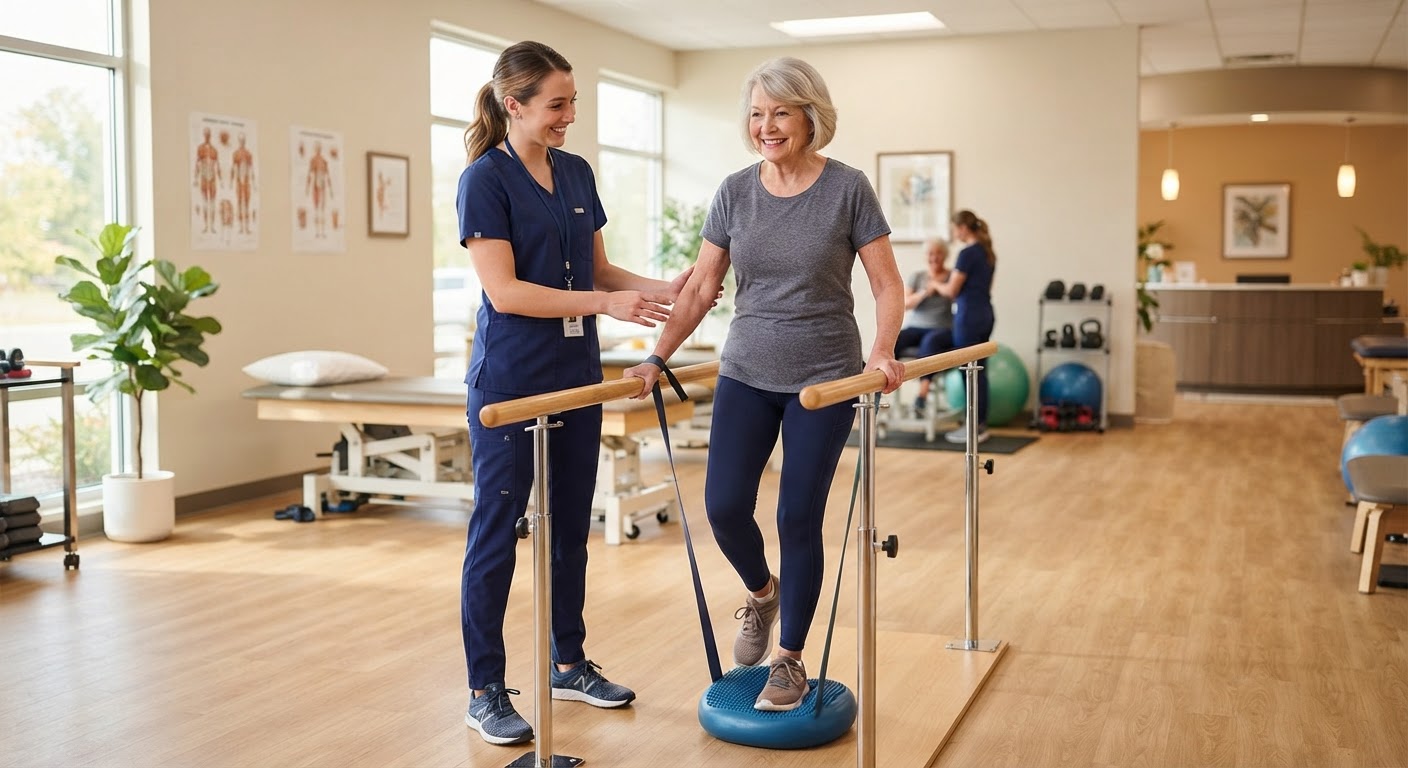
Your physical therapist will guide you through a personalized exercise program, ensuring proper form and progression as you heal. Education and Ergonomic Advice
Knowledge is power, especially when it comes to managing a condition like sciatica. Your therapist will educate you on: • Proper Body Mechanics: How to lift, bend, sit, and stand in ways that protect your spine and prevent nerve irritation. • Ergonomic Adjustments: Recommendations for your workstation, car, or sleeping positions to minimize stress on your back. • Activity Modification: Guidance on how to modify daily activities to avoid aggravating your symptoms while you heal. Long-Term Prevention Strategies
Physical therapy isn't just about immediate relief; it's about equipping you with the tools to prevent sciatica from returning. This includes a home exercise program, lifestyle modifications, and ongoing advice to maintain spinal health. Practical Tips for Managing Sciatica Pain at Home
While professional guidance from Physical Therapy NOW™ is essential, here are some actionable tips you can incorporate into your daily routine to help manage sciatica pain: • Stay Active (Wisely): Avoid prolonged sitting or bed rest. Gentle walking, swimming, or cycling (if pain-free) can keep your spine mobile and muscles active. • Apply Heat or Cold: Use ice packs for acute pain and inflammation (first 48-72 hours) and heat packs for muscle relaxation and chronic stiffness. • Mind Your Posture: Pay attention to how you sit, stand, and sleep. Use a lumbar support pillow when sitting, and consider placing a pillow between your knees if sleeping on your side, or under your knees if on your back. • Gentle Stretches: Once your physical therapist approves, incorporate gentle stretches for your hamstrings, glutes, and lower back. Never push into pain. • Avoid Heavy Lifting: If you must lift, bend at your knees and keep the object close to your body. Reclaim Your Life from Sciatica Pain
Living with sciatica pain doesn't have to be your new normal. Physical therapy offers a proven path to recovery, helping you reduce pain, restore function, and improve your quality of life. By addressing the root cause of your sciatica with a personalized, evidence-based approach, you can find lasting relief and get back to enjoying all that Orlando has to offer.
If you're struggling with sciatica pain in back pain, don't wait for it to get worse. Our dedicated team at Physical Therapy NOW™ in Orlando, FL, is ready to help you on your journey to recovery. Take the first step towards a pain-free life today.
Ready to experience relief? Contact Physical Therapy NOW™ at our Orlando location to schedule your comprehensive evaluation. Call us today or visit our website to book an appointment!
Ready to start feeling better?
Physical Therapy NOW™ has 40+ Florida locations with same-week appointments. Most insurance, auto accident (PIP), workers' compensation and Medicare accepted.