Reclaiming Your Stride: How Physical Therapy Aids Total Knee Replacement Recovery
A total knee replacement (TKR), also known as total knee arthroplasty, is a life-changing surgical procedure for individuals suffering from severe knee pain and disability, often due to arthritis or injury. While the surgery itself addresses the damaged joint, the journey to a fully functional, pain-free knee doesn't end in the operating room. In fact, one of the most crucial components of a successful recovery is comprehensive physical therapy. At Physical Therapy NOW™ in Coral Springs, FL, we specialize in guiding patients through every step of this rehabilitation process, helping them regain strength, mobility, and confidence. The Role of Physical Therapy Before Surgery
Many patients are surprised to learn that physical therapy can be beneficial even before their knee replacement surgery. Pre-operative physical therapy, often called "prehab," prepares your body for the upcoming procedure. At our Coral Springs location, our therapists will work with you to: • Improve pre-surgical strength and flexibility: The stronger and more flexible your knee and surrounding muscles are before surgery, the better your immediate post-surgical recovery tends to be. • Educate you on post-operative exercises: Learning these exercises beforehand makes it easier to perform them correctly after surgery, even through discomfort. • Discuss pain management expectations: Understanding what to expect regarding post-surgical pain and how it will be managed can alleviate anxiety. • Teach you how to use assistive devices: Practicing with crutches, a walker, or a cane in advance helps you navigate safely immediately after surgery.
Prehab can significantly contribute to a smoother recovery and faster return to daily activities. Immediate Post-Operative Rehabilitation: The First Steps to Recovery
Once your surgeon gives the green light, physical therapy begins almost immediately after your total knee replacement. This early intervention is critical for preventing stiffness and promoting healing. During this initial phase, the focus at Physical Therapy NOW™ will be on: • Pain Management: While managing pain with medication, physical therapy techniques like ice, elevation, and gentle movements help reduce swelling and discomfort. • Improving Range of Motion (ROM): One of the primary goals is to restore the knee's ability to bend and straighten. Gentle exercises, often aided by continuous passive motion (CPM) machines in the hospital or early outpatient phase, are crucial. • Muscle Activation: Activating the quad and hamstring muscles is vital for stability and beginning to bear weight. • Gait Training: Learning to walk again with crutches or a walker, gradually progressing to less assistance, is a key early milestone. • Transfer Training: Safely getting in and out of bed, chairs, and bathrooms is essential for independent living. Progressive Strengthening and Functional Restoration
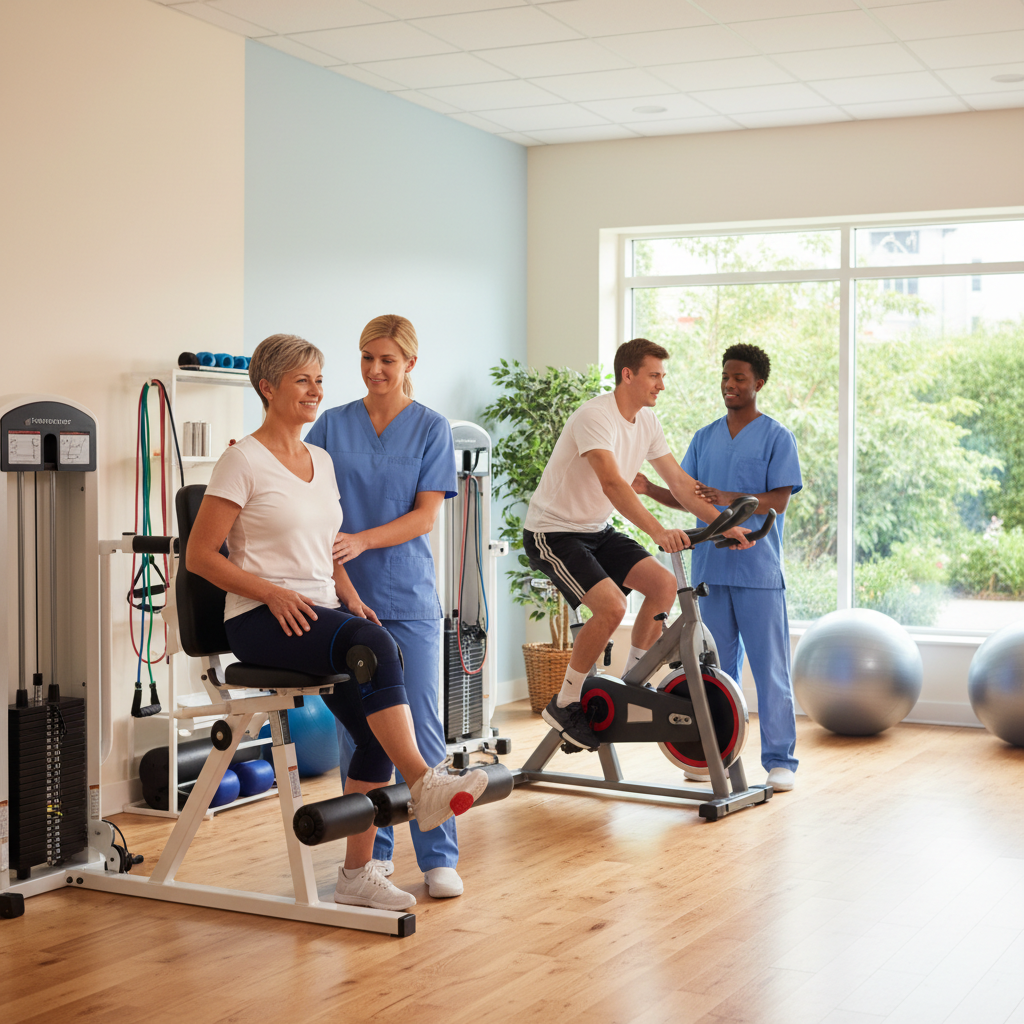
As healing progresses and pain subsides, your physical therapy program at Physical Therapy NOW™ will become more intensive, focusing on strengthening and restoring full function to your knee. This phase typically includes: Targeted Strengthening Exercises • Quadriceps Strengthening: Exercises like straight leg raises, knee extensions, and wall slides help rebuild the primary muscle group controlling the knee. • Hamstring Strengthening: Hamstring curls and bridges improve the stability and power of the knee. • Gluteal and Core Strengthening: Strong glutes and a stable core are essential for proper lower limb mechanics and reducing stress on the knee. Advanced Range of Motion and Flexibility
Continued focus on achieving full knee extension and flexion is paramount. Manual therapy techniques, stretches, and specific exercises are employed to address any remaining stiffness. Balance and Proprioception Training
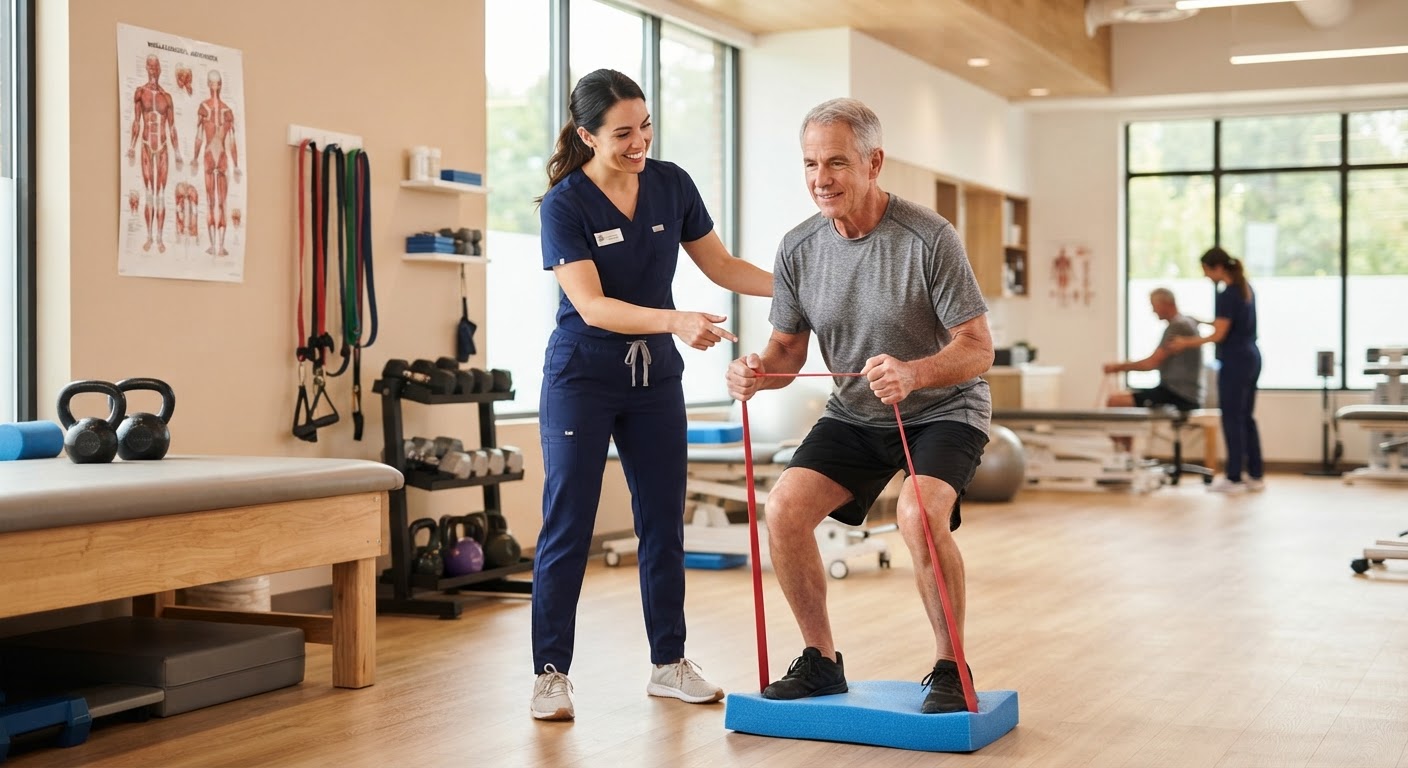
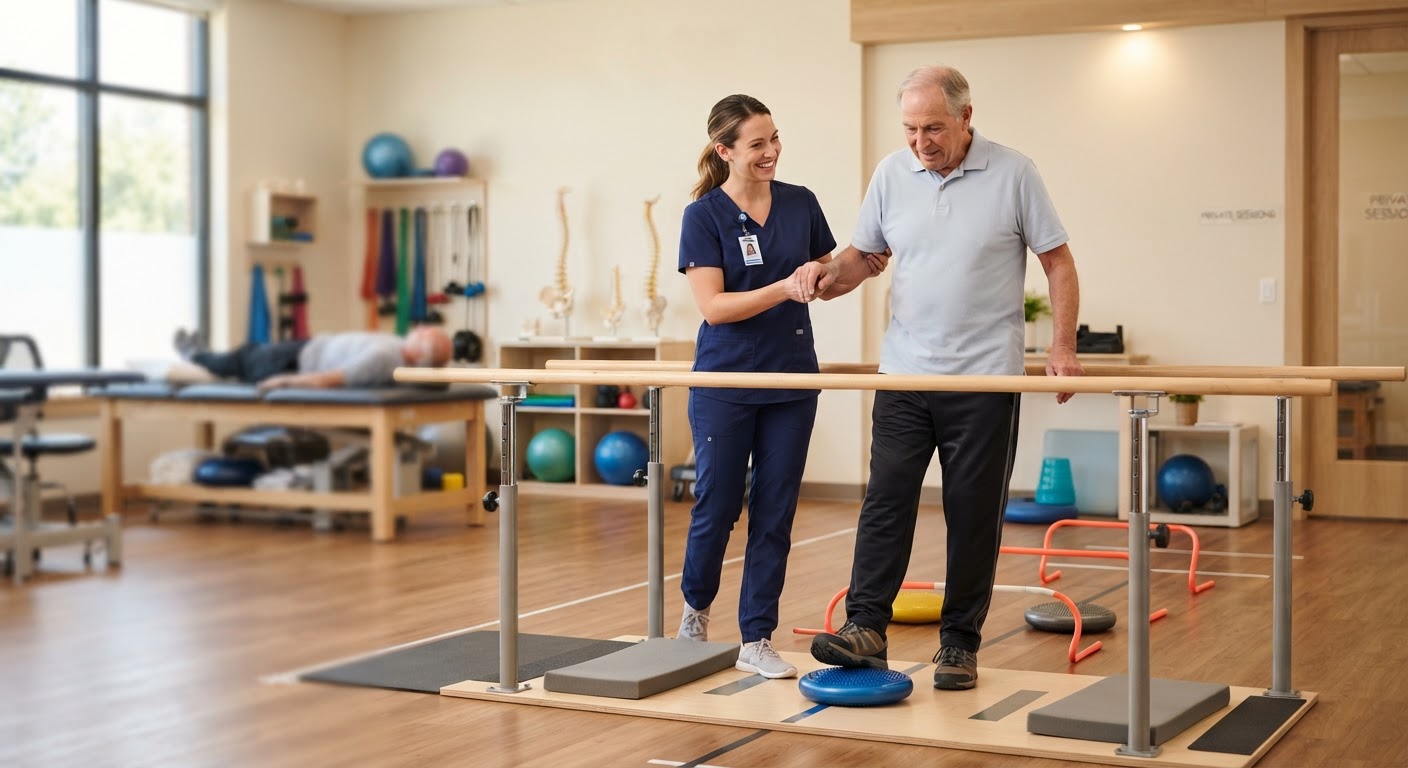
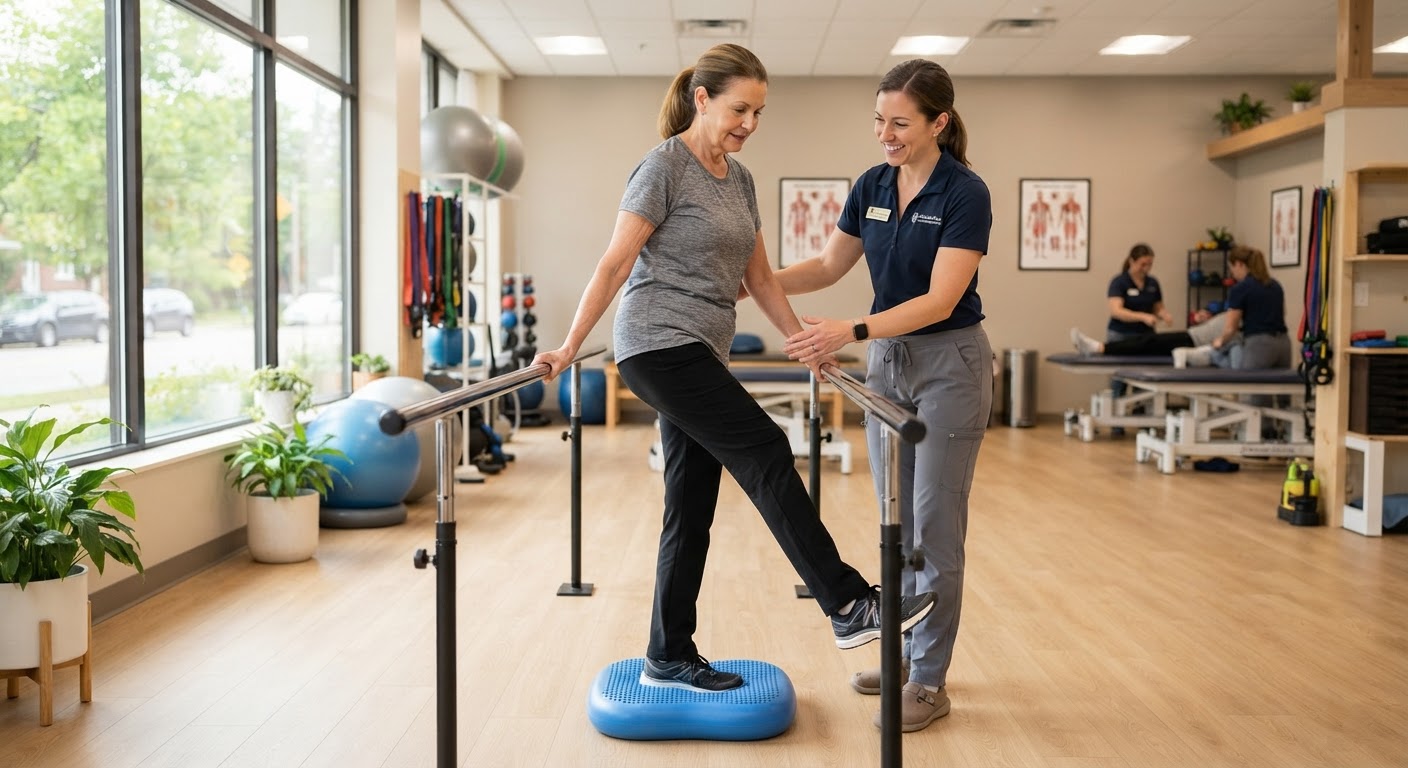
After a joint replacement, your body's proprioception (sense of joint position) can be altered. Physical therapists use balance boards, single-leg stands, and other exercises to improve your balance and reduce the risk of falls. Functional Activities
Therapy progresses to incorporate activities that mimic daily life: • Stair Climbing: Learning to safely ascend and descend stairs. • Walking on uneven surfaces: Preparing you for real-world environments. • Getting up from the floor: An important safety skill. • Specific activities related to your hobbies: Tailoring exercises to help you return to gardening, golf, or other favorite pastimes. The Role of Your Physical Therapist
Your physical therapist is more than just an instructor; they are a vital coach, motivator, and educator throughout your recovery. At Physical Therapy NOW™ in Coral Springs, our licensed therapists provide: • Personalized Treatment Plans: Every patient's recovery is unique. We create individualized plans tailored to your specific needs, progress, and goals. • Expert Guidance: We ensure exercises are performed correctly to maximize benefits and prevent injury. • Motivation and Support: The recovery can be challenging, and our team provides encouragement and celebrates your milestones. • Education: We empower you with knowledge about your condition, exercises you can do at home, and strategies for long-term joint health. • Progress Monitoring: We continually assess your progress, adjusting your program as needed to ensure optimal outcomes. Practical Tips for a Successful Recovery • Adhere to Your Exercise Program: Consistency is key. Do your prescribed exercises diligently, even on days you don't feel like it. • Manage Your Pain: Don't hesitate to take pain medication as prescribed, especially before therapy sessions, to allow for more effective participation. • Use Assistive Devices as Directed: Don't rush to abandon your walker or crutches. Using them properly ensures safety and helps your knee heal without undue stress. • Apply Ice Regularly: Icing helps reduce swelling and pain, especially after exercise. • Elevate Your Leg: Propping your leg up, particularly during the initial weeks, helps control swelling. • Maintain a Healthy Diet: Good nutrition supports healing and overall well-being. • Listen to Your Body: While it's important to push yourself, also recognize the difference between discomfort and pain that indicates you're overdoing it. • Stay Hydrated: Water is essential for tissue repair and overall health. Your Future with a New Knee
Undergoing a total knee replacement is a significant decision, and the rehabilitation journey requires commitment and hard work. However, with the dedicated guidance of skilled physical therapists, like those at Physical Therapy NOW™, you can look forward to a future with less pain, improved mobility, and the ability to return to the activities you love. Take the First Step Towards a Stronger You
If you're considering total knee replacement surgery, or if you've recently had the procedure, don't delay in seeking expert physical therapy. Contact Physical Therapy NOW™ today to schedule your consultation at our Coral Springs, FL location. Let us partner with you on your path to a full and successful recovery. Call us or visit our clinic to learn more about how we can help you reclaim your stride and live life to the fullest!
Ready to start feeling better?
Physical Therapy NOW™ has 40+ Florida locations with same-week appointments. Most insurance, auto accident (PIP), workers' compensation and Medicare accepted.