The Pivotal Role of Physical Therapy in Total Knee Replacement Recovery
Total knee replacement (TKR), also known as total knee arthroplasty, is a life-changing surgical procedure for individuals suffering from severe knee pain and disability, often due to osteoarthritis. While the surgery itself addresses the damaged joint, the journey to a full and functional recovery heavily relies on a comprehensive and expertly guided rehabilitation program. This is where physical therapy becomes not just beneficial, but absolutely essential. At Physical Therapy NOW™ in Weston, FL, we understand the intricacies of post-TKR recovery and are dedicated to helping our patients achieve their best possible outcomes. Why is Physical Therapy Crucial After Total Knee Replacement?
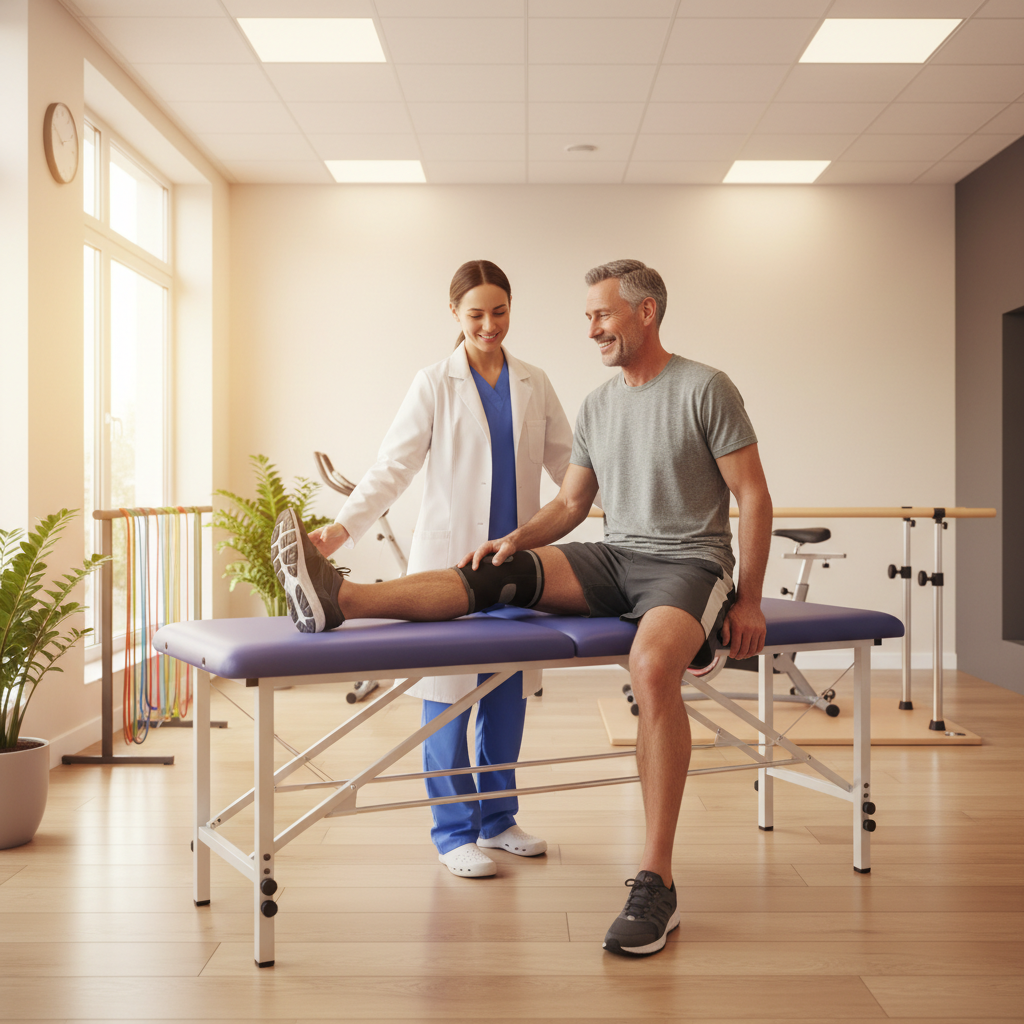
Imagine undergoing major surgery on your knee. The muscles around the joint will be weakened, scar tissue will form, and your natural movement patterns will be disrupted. Without focused rehabilitation, you risk developing stiffness, limited range of motion, muscle weakness, and even chronic pain. Physical therapy tackles these challenges head-on, guiding you through a structured program designed to: • Restore Range of Motion (ROM): Immediately after surgery, your knee will be stiff. Physical therapists work to gently and progressively increase your ability to bend and straighten the knee, which is vital for everyday activities like walking, sitting, and climbing stairs. • Strengthen Surrounding Muscles: The muscles supporting your knee (quadriceps, hamstrings, glutes, and calves) will be weak from disuse and surgery. Targeted exercises rebuild this strength, providing stability and support for your new joint. • Improve Gait and Balance: Learning to walk normally again is a significant hurdle. Therapists help you re-educate your walking pattern, correct any compensatory movements, and improve your balance to prevent falls. • Manage Pain and Swelling: Through various modalities like ice, gentle massage, and therapeutic exercises, physical therapists help reduce post-operative pain and swelling, making your recovery more comfortable. • Prevent Complications: Early mobilization and appropriate exercises help reduce the risk of complications such as blood clots, joint stiffness, and muscle atrophy. • Restore Functional Independence: Ultimately, the goal is to get you back to doing the activities you love, whether it's gardening, playing golf, or simply walking around your beautiful Weston neighborhood without pain. The Physical Therapy NOW™ Approach to TKR Rehabilitation
At Physical Therapy NOW™ in Weston, FL, our approach to total knee replacement rehabilitation is highly personalized and evidence-based. We begin with a thorough initial evaluation to assess your pre-operative status (if possible) and your current post-operative condition, including your pain levels, range of motion, strength, and functional limitations. Based on this assessment, our experienced physical therapists develop an individualized treatment plan tailored to your specific needs and recovery goals. Early Post-Operative Phase (Days 1-2 weeks Post-Surgery)
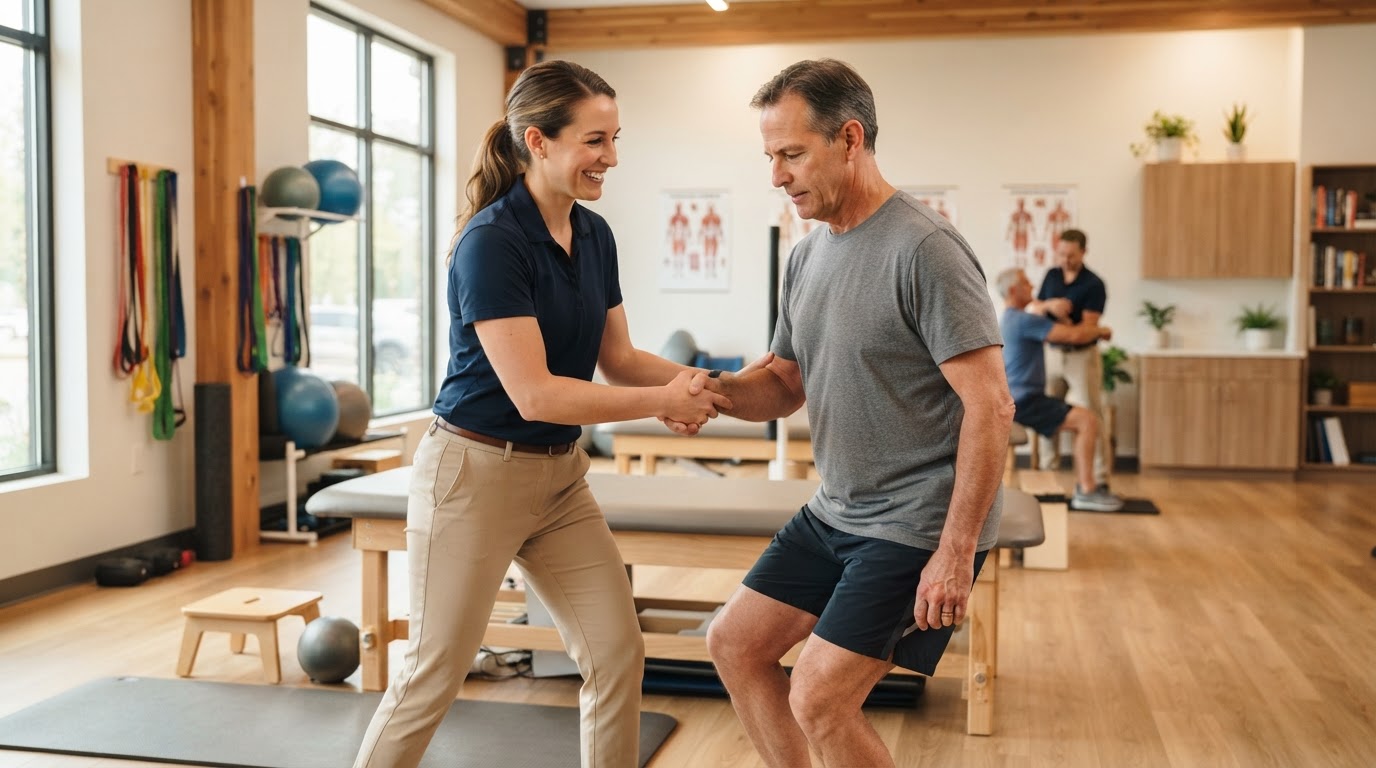
Rehabilitation often begins almost immediately after surgery, sometimes even on the same day in the hospital. The focus during this initial phase is on pain management, reducing swelling, and achieving early range of motion. Our therapists will guide you through: • Gentle Passive and Active-Assisted Range of Motion Exercises: These exercises help prevent stiffness and encourage early joint movement. • Ankle Pumps and Foot Circles: To promote circulation and prevent blood clots. • Quad Sets and Glute Sets: To begin activating and strengthening the muscles around your knee and hip. • Transfer Training: Safely getting in and out of bed, a chair, and using assistive devices like crutches or a walker. • Patient Education: Understanding your precautions, managing pain, and setting realistic expectations. Intermediate Phase (2-6 weeks Post-Surgery)
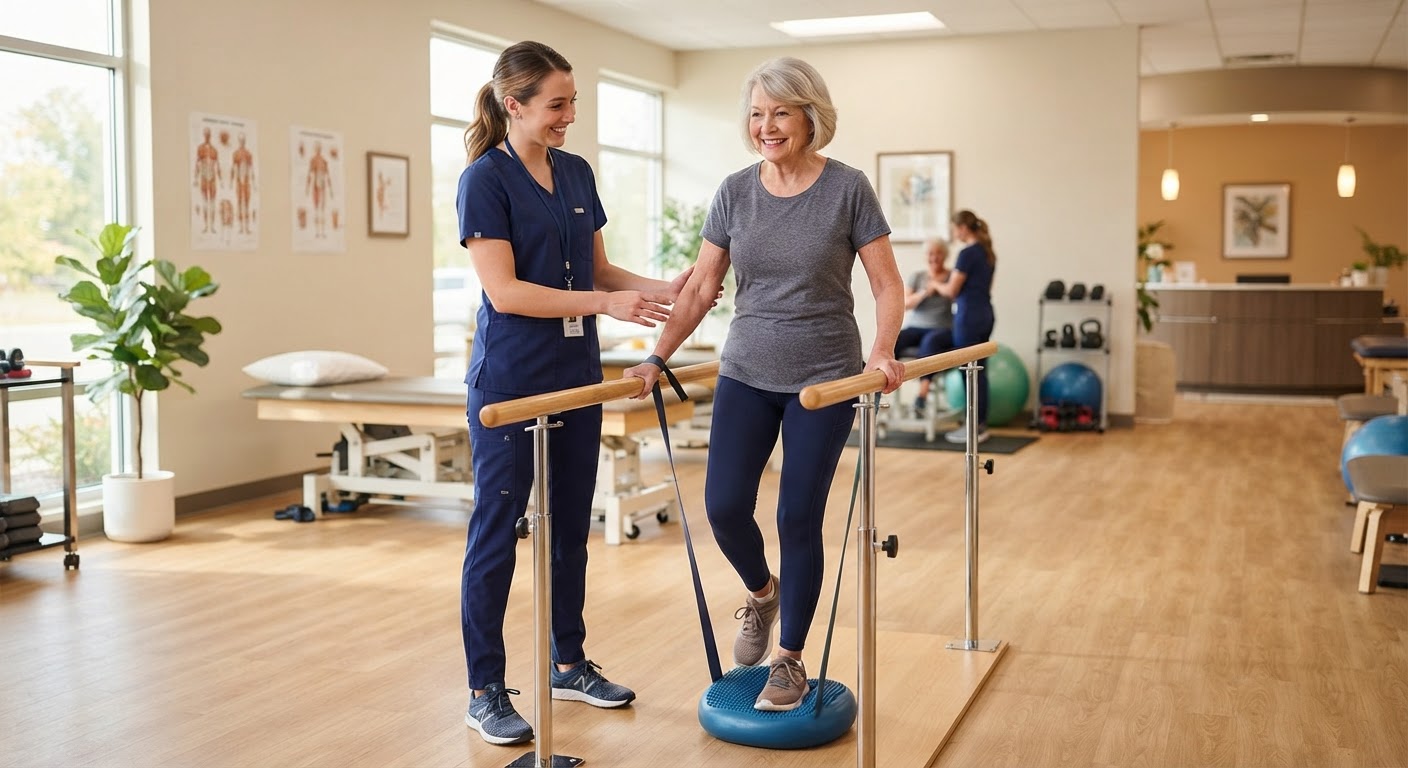
As your pain subsides and your mobility improves, the focus shifts to more active exercises to regain strength and improve functional mobility. This phase includes: • Progressive Range of Motion Exercises: Gradually increasing both flexion (bending) and extension (straightening) of the knee. • Strengthening Exercises: Targeting the quadriceps, hamstrings, glutes, and calf muscles with exercises like straight leg raises, knee bends, and hip abduction/adduction. • Gait Training: Learning to walk with proper mechanics, gradually reducing reliance on assistive devices. • Balance Training: Simple balance exercises to improve stability and reduce fall risk. • Stair Training: Learning how to safely ascend and descend stairs. Advanced Phase (6+ weeks Post-Surgery and Beyond)
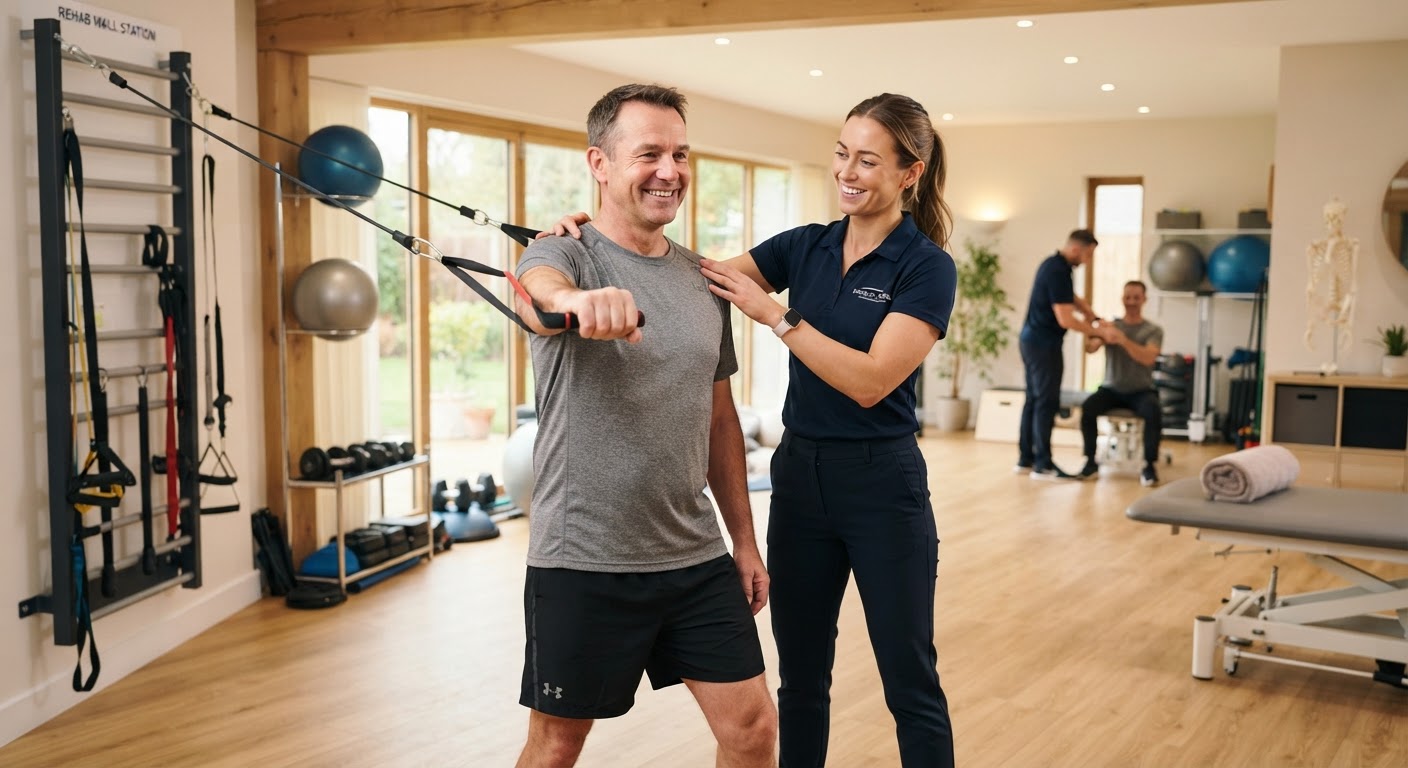
This phase aims to optimize strength, endurance, and functional independence, allowing you to return to higher-level activities. Treatment may involve: • Advanced Strengthening Exercises: Incorporating weights, resistance bands, and functional movements. • Proprioceptive Training: Exercises to improve your body's awareness of its position in space, crucial for dynamic balance and coordination. • Sport-Specific or Activity-Specific Training: If appropriate, preparing you for hobbies, sports, or work-related tasks. • Endurance Training: Improving your overall stamina for daily activities. Practical Tips for a Successful Recovery
Beyond your therapy sessions, your commitment at home is paramount. Here are some actionable tips:
1. Adhere to Your Home Exercise Program: Consistency is key. Performing your prescribed exercises daily will significantly impact your progress. 2. Manage Pain Effectively: Don't let pain deter you. Communicate with your surgeon and physical therapist about pain management strategies. 3. Use Ice and Elevation: Regularly apply ice and elevate your leg to help reduce swelling and discomfort, especially after exercise. 4. Stay Active (Within Limits): Avoid prolonged sitting or lying down. Take short, frequent walks as advised by your therapist. 5. Maintain Good Posture: Good posture helps distribute weight evenly and reduces stress on your new joint. 6. Nutritional Support: Eat a balanced diet to promote healing. 7. Attend All Therapy Appointments: Missing sessions can set back your recovery. Make your appointments a priority. Your Partner in Recovery
Total knee replacement surgery is a significant undertaking, but with the right guidance and dedication, you can achieve remarkable results. Physical therapy is your essential partner in this journey, ensuring that your new knee functions optimally, allowing you to return to a life free from debilitating pain. Our team at Physical Therapy NOW™ is committed to providing the highest quality, compassionate care right here in Weston, FL.
Don't leave your recovery to chance. Take the proactive step towards regaining your mobility and quality of life. Ready to Start Your Recovery Journey?
If you're preparing for or recovering from total knee replacement surgery, let the experts at Physical Therapy NOW™ in Weston, FL, guide you every step of the way. Our dedicated team is here to help you achieve a faster, more complete, and lasting recovery. Call us today at [Insert Phone Number Here] to schedule your initial evaluation or visit our clinic to learn more about how we can help you regain your independence and enjoy life to the fullest.
Ready to start feeling better?
Physical Therapy NOW™ has 40+ Florida locations with same-week appointments. Most insurance, auto accident (PIP), workers' compensation and Medicare accepted.