How Physical Therapy Helps with Total Knee Replacements
Undergoing a total knee replacement, or total knee arthroplasty (TKA), is a significant decision that promises to alleviate chronic pain and restore mobility caused by severe arthritis or injury. While the surgical procedure itself is a marvel of modern medicine, the journey to full recovery relies heavily on another critical component: physical therapy. At Physical Therapy NOW™ in North Miami, FL, we specialize in guiding patients through every step of their TKA rehabilitation, ensuring they achieve the best possible outcomes. Understanding Total Knee Replacement Surgery
Total knee replacement surgery involves removing damaged bone and cartilage from your thighbone, shinbone, and kneecap, and replacing them with artificial components made of metal alloys, high-grade plastics, and polymers. This new joint is designed to move smoothly, reducing pain and improving function. However, immediately after surgery, your knee will be swollen, stiff, and painful due to the trauma of the operation. This is where the expertise of a physical therapist becomes invaluable. The Crucial Role of Pre-Operative Physical Therapy
Many patients underestimate the benefit of starting physical therapy before surgery. Pre-operative physical therapy, often called "pre-hab," helps prepare your body for the upcoming procedure. At Physical Therapy NOW™, we focus on: • Strengthening surrounding muscles: Building strength in your quadriceps, hamstrings, and glutes makes it easier to recover after surgery when these muscles will be weakened. • Improving range of motion: Achieving optimal knee flexibility before surgery can significantly impact post-operative recovery, as it often dictates initial post-op range. • Educating about the recovery process: Our therapists provide detailed information about what to expect during rehabilitation, including exercises, pain management techniques, and assistive device training (like crutches or walkers). This mental preparation can reduce anxiety and boost confidence. • Optimizing overall health: Addressing any existing gait imbalances or general deconditioning can set you up for a smoother and faster recovery. Immediate Post-Operative Rehabilitation: The Foundation for Success
The first few days and weeks after a total knee replacement are critical. Your physical therapist will work closely with you, often beginning therapy in the hospital just hours after surgery. The primary goals during this phase are: Pain and Swelling Management
While medication will manage much of your pain, your physical therapist will teach you techniques to minimize swelling and discomfort. These may include: • Ice application: Proper and consistent icing is key to reducing inflammation. • Elevation: Keeping your leg elevated above your heart helps fluid drain away from the knee. • Gentle massage: Therapists may use gentle soft tissue mobilization to reduce swelling and improve circulation. Restoring Range of Motion (ROM)
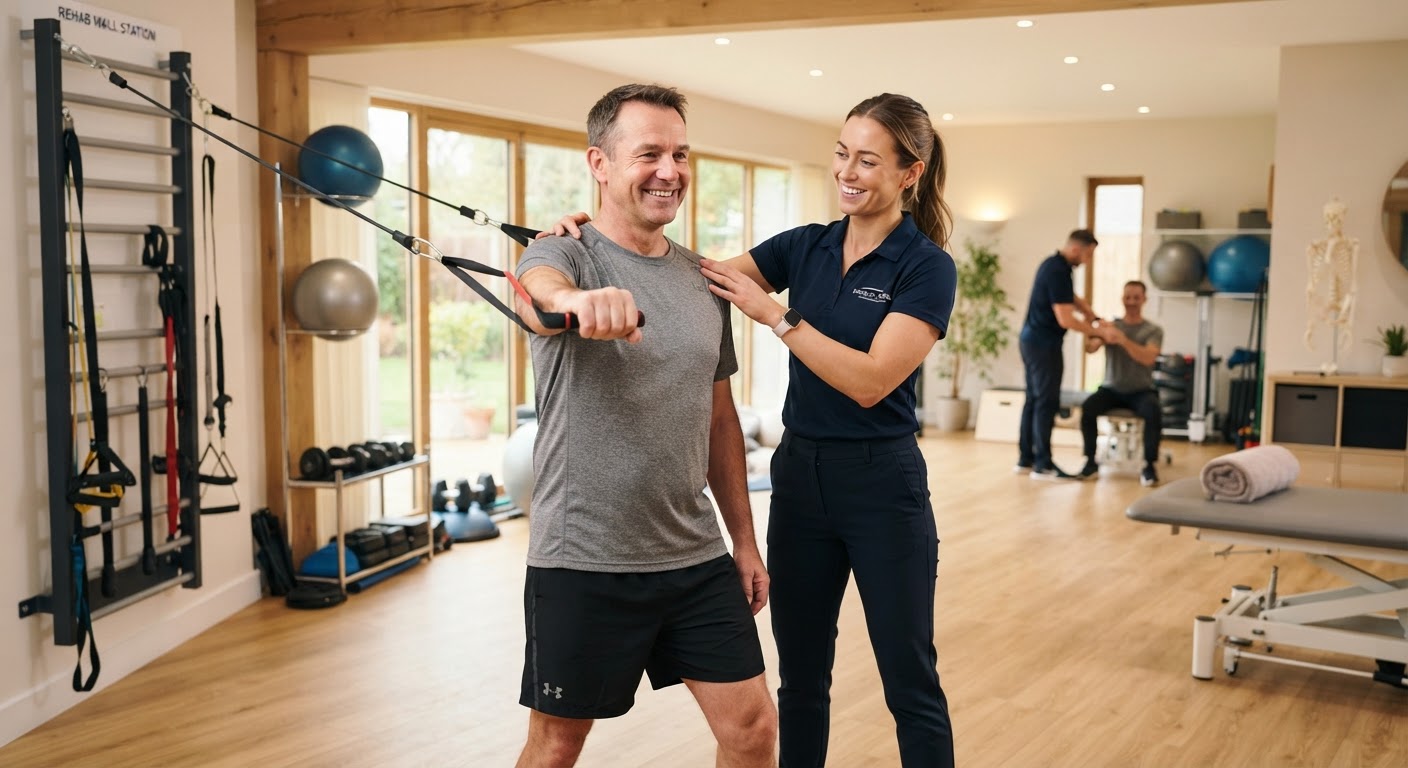
One of the most important aspects of TKA recovery is regaining full knee extension (straightening) and adequate flexion (bending). Stiffness can quickly set in, making early and consistent ROM exercises essential. Your therapist will guide you through exercises such as: • Ankle pumps: To promote circulation and prevent blood clots. • Quad sets: Gentle contractions of the thigh muscle to maintain tone. • Heel slides: Slowly bending and straightening the knee while lying down. • Assisted knee bends: With the therapist's help, gently bending the knee to gradually increase flexion. Regaining Strength and Stability
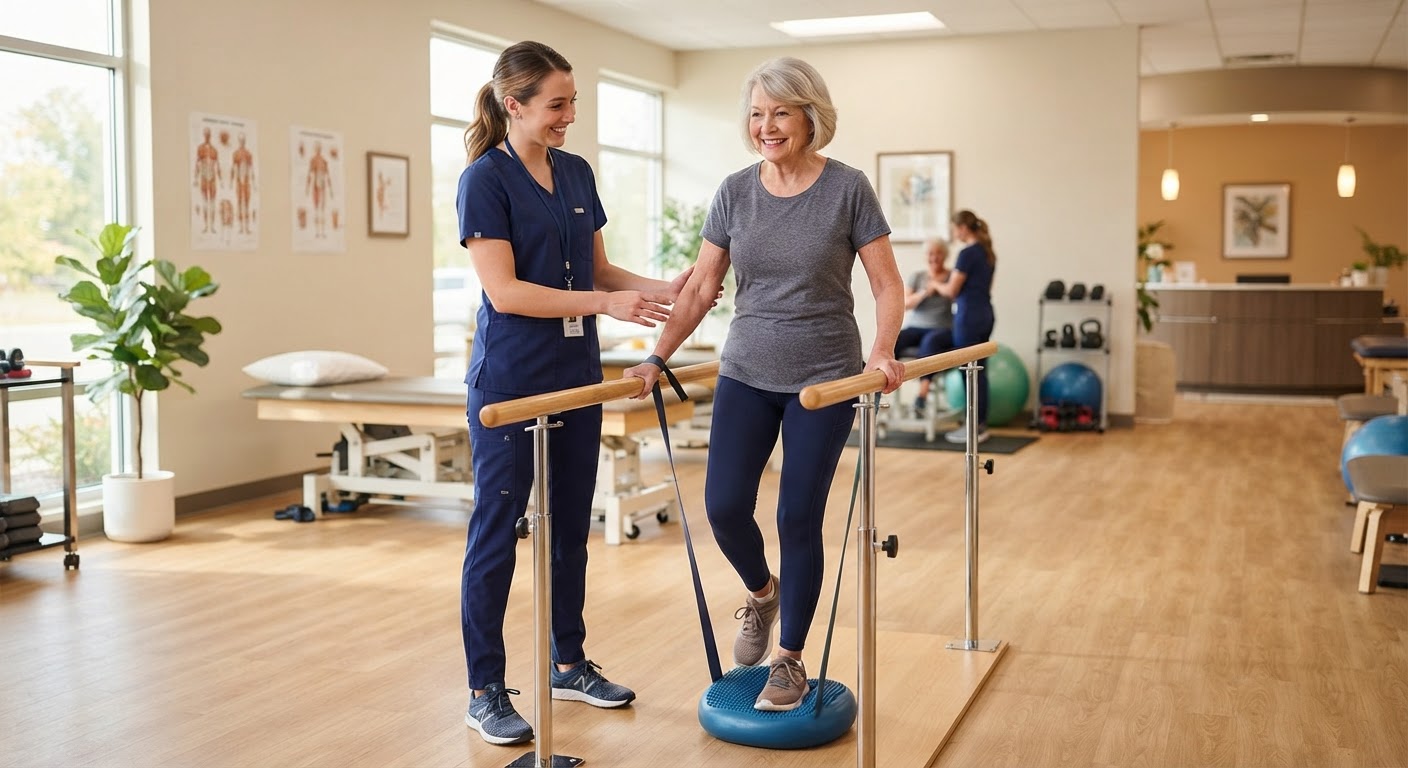
As pain decreases and ROM improves, the focus shifts to strengthening the muscles around the knee and hip. Weakness can lead to gait deviations and increase the risk of falls. Your therapist will prescribe targeted exercises, including: • Straight leg raises: To strengthen the quadriceps. • Gluteal sets: To activate and strengthen the gluteal muscles, crucial for walking. • Knee extensions and hamstring curls: Using resistance bands or light weights as appropriate. • Balance exercises: Starting with stable surfaces and progressing to unstable ones to improve proprioception and stability. Progressive Rehabilitation: The Path to Full Function
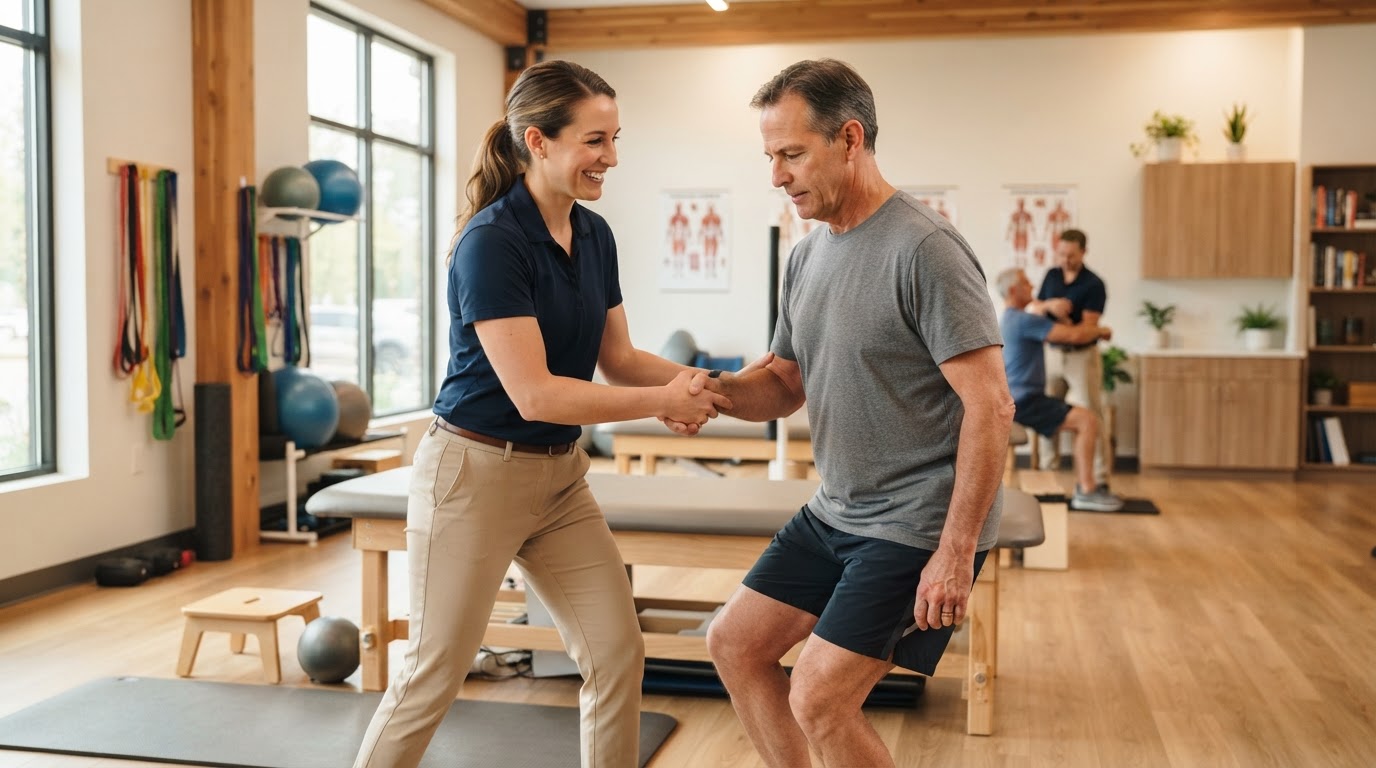
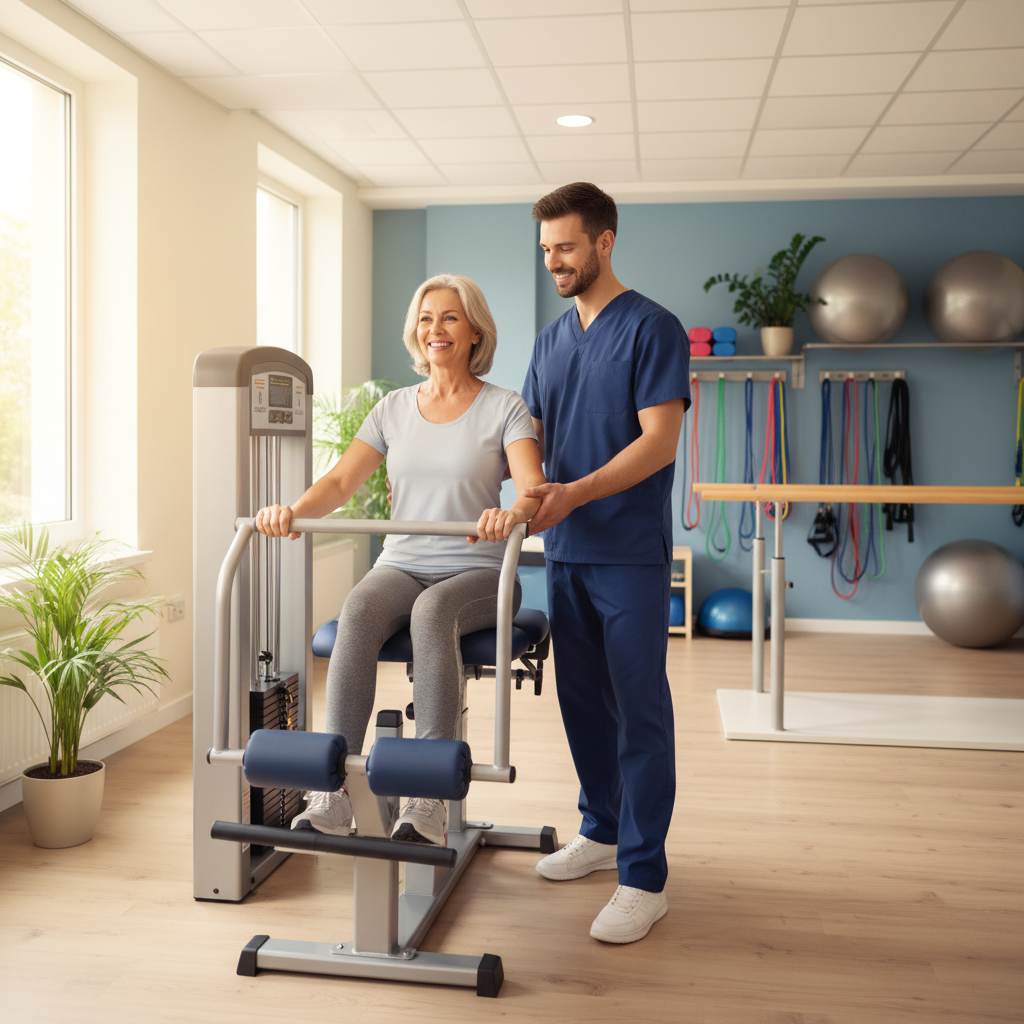
As you progress, your physical therapy program will evolve to challenge you further and prepare you for a return to your daily activities and hobbies. This phase, typically continuing for several weeks to months, involves: • Advanced strengthening: Incorporating resistance training with weights, machines, or increasing resistance bands. • Gait training: Refining your walking pattern to eliminate limping and achieve a more natural stride. Your therapist will assess your gait and provide cues for improvement. • Stair climbing and descending: Practicing this essential functional activity with proper technique. • Proprioception and balance drills: Exercises like single-leg stands, uneven surface walking, and agility drills to enhance your body's awareness of its position in space. • Functional activities: Simulating movements you perform daily, such as getting in and out of a car, bending to pick up objects, or reaching overhead. • Return-to-sport or activity-specific training: For those looking to return to golf, swimming, cycling, or other specific activities, your therapist will tailor exercises to meet these demands. Practical Tips for a Successful Recovery • Adhere to your exercise program: Consistency is paramount. Do your prescribed exercises regularly, even on days you don't have therapy. • Manage pain effectively: Don't let pain stop you from moving. Communicate with your doctor and therapist about appropriate pain management strategies. • Use assistive devices as directed: Crutches, walkers, or canes are there to protect your new joint and prevent falls in the early stages. • Listen to your body: It's important to push yourself, but avoid overdoing it. Rest when needed. • Maintain a healthy lifestyle: Good nutrition, adequate hydration, and sufficient sleep will support your healing process. • Stay positive and patient: Recovery is a marathon, not a sprint. Celebrate small victories along the way. Why Choose Physical Therapy NOW™ for Your TKA Rehabilitation?
At Physical Therapy NOW™ in North Miami, FL, our dedicated team of physical therapists understands the unique challenges and goals associated with total knee replacement recovery. We provide personalized, evidence-based care tailored to your specific needs, ensuring a comprehensive and effective rehabilitation journey. Our state-of-the-art facility, conveniently located in North Miami, is equipped to support all phases of your recovery, from initial post-operative care to advanced functional training.
We pride ourselves on our warm, supportive environment and our commitment to helping each patient achieve their maximum potential. Our therapists will not only guide you through exercises but also educate you on proper body mechanics, joint protection strategies, and long-term maintenance to ensure the longevity of your new knee.
Regain your independence, reduce your pain, and get back to the activities you love with the expert care at Physical Therapy NOW™. Your successful recovery is our priority.
Ready to start feeling better?
Physical Therapy NOW™ has 40+ Florida locations with same-week appointments. Most insurance, auto accident (PIP), workers' compensation and Medicare accepted.