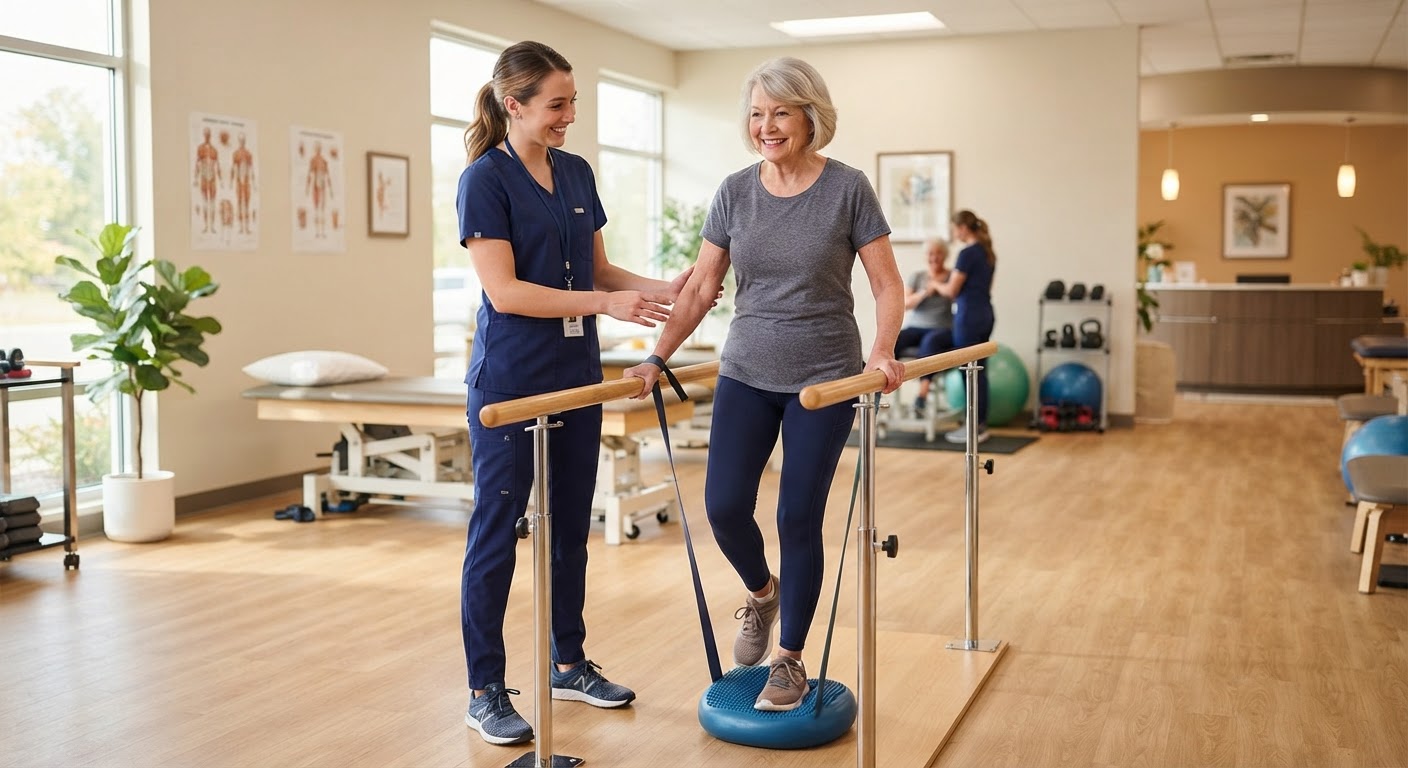
Unlocking Relief: How Physical Therapy Transforms Sciatica Pain
Sciatica – it's more than just a backache. For many in Cape Coral, FL, it's a searing pain that shoots down the leg, a relentless tingling, or an irritating numbness that disrupts daily life. If you've ever experienced sciatica, you know how debilitating it can be, turning simple movements into agonizing tasks. But there's good news: physical therapy offers a powerful, non-invasive path to significant relief and long-term recovery.
At Physical Therapy NOW™ in Cape Coral, we understand the complexities of sciatica and are dedicated to helping our community regain comfort and function. Let's delve into what sciatica is, why it happens, and how a tailored physical therapy program can be your key to a pain-free life. What Exactly is Sciatica?
Sciatica isn't a diagnosis in itself; rather, it's a symptom – a term describing pain that radiates along the path of the sciatic nerve. This nerve, the longest and widest in the body, originates in the lower back, runs through the buttocks, and branches down each leg. When something compresses or irritates this nerve, the characteristic symptoms of sciatica appear. Common Sciatica Symptoms: • Constant pain in one side of the buttock or leg. • Pain that worsens with sitting. • Burning or tingling sensation down the leg. • Weakness, numbness, or difficulty moving the leg or foot. • A shooting pain that makes it difficult to stand up. What Causes Sciatica Pain?
Understanding the root cause is crucial for effective treatment. Sciatica pain in back pain often stems from underlying spinal issues. Here are the most common culprits: • Herniated Disc (Slipped Disc): This is the most frequent cause. The soft, jelly-like center of a spinal disc pushes through its tougher exterior, compressing the sciatic nerve. • Spinal Stenosis: A narrowing of the spinal canal, often due to aging, bone spurs, or arthritis, which can put pressure on the nerves. • Piriformis Syndrome: The piriformis muscle, located deep in the buttock, can spasm or tighten, irritating the sciatic nerve that runs nearby or even through it. • Spondylolisthesis: One vertebra slips forward over another, compressing the nerve. • Degenerative Disc Disease: The natural wear and tear on spinal discs can lead to nerve compression.
Less common causes include tumors, infections, or direct nerve injury. How Physical Therapy Provides Lasting Sciatica Relief
While rest and medication can offer temporary respite, physical therapy addresses the underlying mechanical issues contributing to sciatica. It's a proactive approach designed not just to alleviate symptoms but to prevent recurrence. 1. Accurate Diagnosis and Personalized Treatment Plans
At Physical Therapy NOW™, your journey begins with a comprehensive evaluation. Our skilled physical therapists will assess your posture, movement patterns, strength, flexibility, and neurological responses. This thorough assessment helps identify the specific cause of your sciatica and allows us to create a highly personalized treatment plan tailored to your unique needs and lifestyle goals. 2. Pain Reduction Techniques
Initial treatment often focuses on reducing acute pain and inflammation. This may include: • Manual Therapy: Hands-on techniques like massage, mobilization, and manipulation to decrease muscle spasms, improve joint mobility, and reduce nerve compression. • Modalities: The use of heat, cold, electrical stimulation (TENS), or ultrasound to help manage pain and inflammation. • Nerve Glides (Nerve Flossing): Gentle exercises designed to improve the mobility of the sciatic nerve, reducing irritation and tension. 3. Therapeutic Exercises for Strength and Flexibility
Once acute pain subsides, the focus shifts to restoring function and preventing future episodes. This involves a carefully progressed exercise program: • Core Strengthening: A strong core (abdominal and back muscles) provides crucial support for the spine, reducing stress on the sciatic nerve. Exercises like pelvic tilts, bird-dog, and planks are often incorporated. • Stretching: Targeted stretches for tight muscles like hamstrings, piriformis, and hip flexors can significantly reduce nerve compression and improve range of motion. • Strengthening Exercises: Addressing weakness in the glutes, hips, and leg muscles helps improve overall stability and body mechanics. 4. Education and Postural Correction
Knowledge is power when it comes to managing sciatica. Our therapists will educate you on: • Proper Posture: How to sit, stand, and lift to minimize stress on your spine. • Body Mechanics: Techniques for performing daily activities safely, reducing the risk of re-injury. • Ergonomics: Optimizing your workspace to support spinal health. • Self-Management Strategies: Empowering you with exercises and techniques you can perform at home to maintain your progress. 5. Long-Term Prevention Strategies
The goal isn't just to get you out of pain, but to keep you out of pain. Your physical therapist will work with you to develop a long-term maintenance program, including home exercises and lifestyle modifications, to prevent sciatica from returning. This holistic approach ensures you have the tools to manage your spinal health independently. Practical Tips for Managing Sciatica Pain at Home
While professional guidance is essential, here are some things you can do to support your recovery: • Stay Active (Wisely): While rest might seem appealing, prolonged inactivity can worsen sciatica. Gentle activities like walking or swimming can be beneficial. Avoid heavy lifting or twisting motions. • Apply Heat or Cold: Use ice packs for acute inflammation (first 48-72 hours) and heat for muscle relaxation and chronic pain. • Mind Your Posture: Pay attention to how you sit, stand, and sleep. Use proper back support in chairs and consider a supportive mattress. • Gentle Stretching: Perform gentle stretches for your hamstrings and piriformis, but always listen to your body and stop if you feel increased pain. • Avoid Prolonged Sitting: If your job requires sitting, take regular breaks to stand, stretch, and walk around. Why Choose Physical Therapy NOW™ in Cape Coral?
At Physical Therapy NOW™, we pride ourselves on providing exceptional, patient-centered care. Our team of experienced physical therapists uses evidence-based practices to ensure you receive the most effective treatment for your sciatica pain. We believe in empowering our patients through education and active participation in their recovery journey. Our friendly and supportive environment makes every visit a positive step toward better health. We are deeply committed to the well-being of the Cape Coral community. Take the First Step Towards a Pain-Free Life
Don't let sciatica dictate your life any longer. If you're experiencing sciatica pain in back pain, or any related symptoms, physical therapy can offer the lasting relief you deserve. Our expert team at Physical Therapy NOW™ is ready to help you on your path to recovery.
Ready to get started? Contact Physical Therapy NOW™ in Cape Coral, FL today to schedule your comprehensive evaluation. Call us at [Your Phone Number] or visit our clinic at [Your Clinic Address] to discover how we can help you move, feel, and live better!
Ready to start feeling better?
Physical Therapy NOW™ has 40+ Florida locations with same-week appointments. Most insurance, auto accident (PIP), workers' compensation and Medicare accepted.