Reclaiming Your Stride: How Physical Therapy Empowers Total Knee Replacement Recovery
Total knee replacement surgery, also known as total knee arthroplasty, is a life-changing procedure for countless individuals experiencing severe knee pain and disability due to arthritis or injury. While the surgery itself is a significant step, it's just the beginning of your journey toward a fully functional and pain-free knee. The true success of a total knee replacement hinges on the crucial rehabilitation that follows, and that's where a skilled physical therapist becomes your most valuable ally.
At Physical Therapy NOW™ in Palm Beach Gardens, we understand the complexities and nuances of post-operative knee replacement care. Our dedicated team is committed to guiding you through every stage of your recovery, helping you regain strength, flexibility, and confidence so you can get back to doing the activities you love. Why is Physical Therapy Essential After a Total Knee Replacement?
Imagine a brand-new engine installed in your car. While the engine itself is perfect, it needs to be properly broken in and fine-tuned to perform optimally. Similarly, after a total knee replacement, your new joint needs to be rehabilitated. Without proper physical therapy, you risk complications such as stiffness, weakness, persistent pain, and limited range of motion, which can severely impact the long-term success of your surgery.
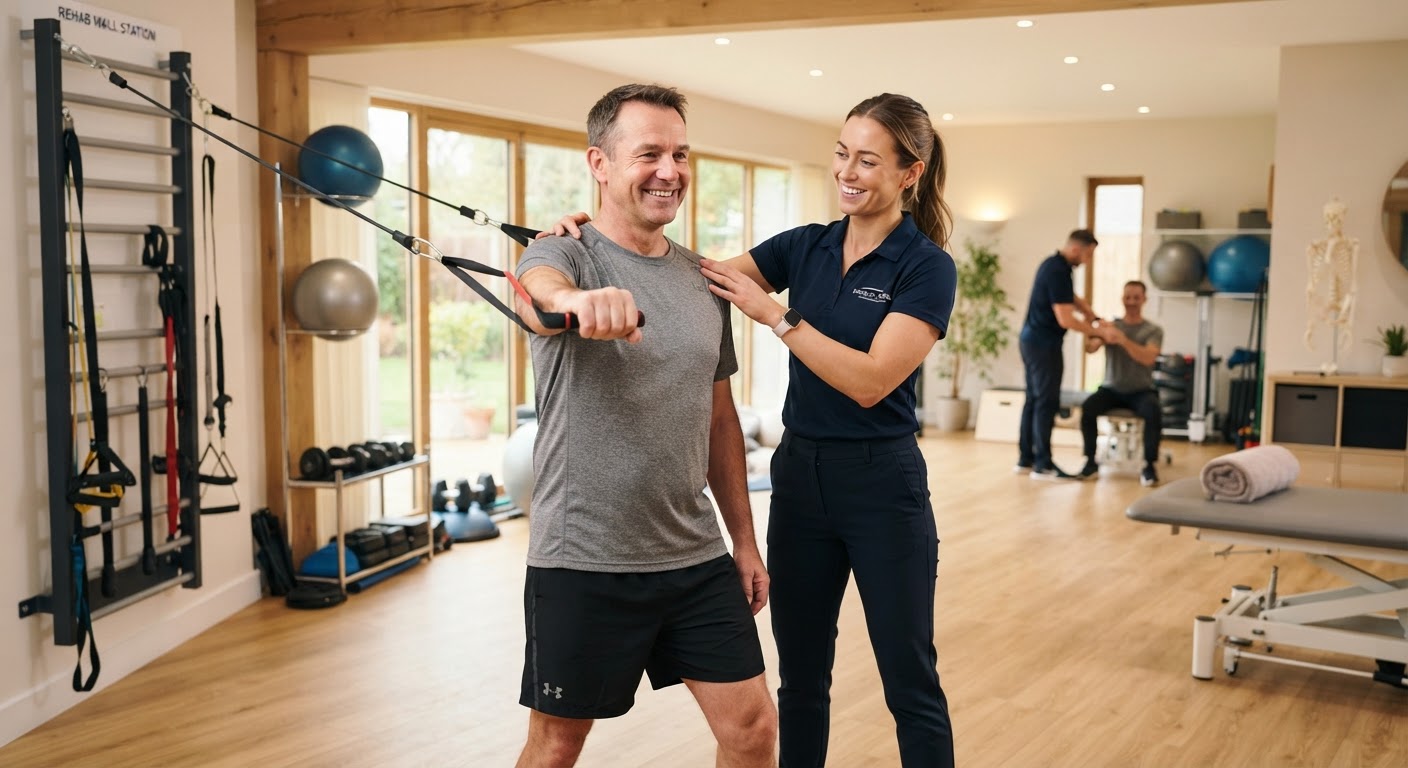
Physical therapy plays a multifaceted role in your recovery. It's not just about exercising; it's about a carefully structured and personalized program designed to: • Reduce Pain and Swelling: Early interventions help manage post-surgical discomfort and inflammation. • Restore Range of Motion: Regaining the ability to bend and straighten your knee fully is paramount for everyday activities. • Improve Strength: Strengthening the muscles around your knee and hip is vital for joint stability and function. • Enhance Balance and Coordination: Essential for safe walking and preventing falls. • Educate and Empower: Providing you with the knowledge and tools to manage your recovery and prevent future issues. The Physical Therapy NOW™ Approach to Knee Replacement Rehabilitation
At Physical Therapy NOW™ in Palm Beach Gardens, we don't believe in a one-size-fits-all approach. Your body is unique, and so is your recovery journey. Our experienced physical therapists conduct thorough assessments to develop a personalized treatment plan tailored to your specific needs, surgical specifics, and personal goals. Pre-Operative Physical Therapy (Prehab)
Believe it or not, physical therapy can even begin before your surgery! Pre-operative physical therapy, or "prehab," can significantly impact your post-surgical outcome. It involves: • Strengthening exercises for muscles surrounding the knee. • Improving flexibility to prepare the joint for surgery. • Education on what to expect during recovery, including exercises you'll do and equipment you might need. • Functional training to practice activities like getting in and out of bed or using crutches.
Patients who engage in prehab often experience less post-operative pain, faster recovery times, and are discharged home sooner. Immediate Post-Operative Phase (Hospital Stay and First Few Weeks)
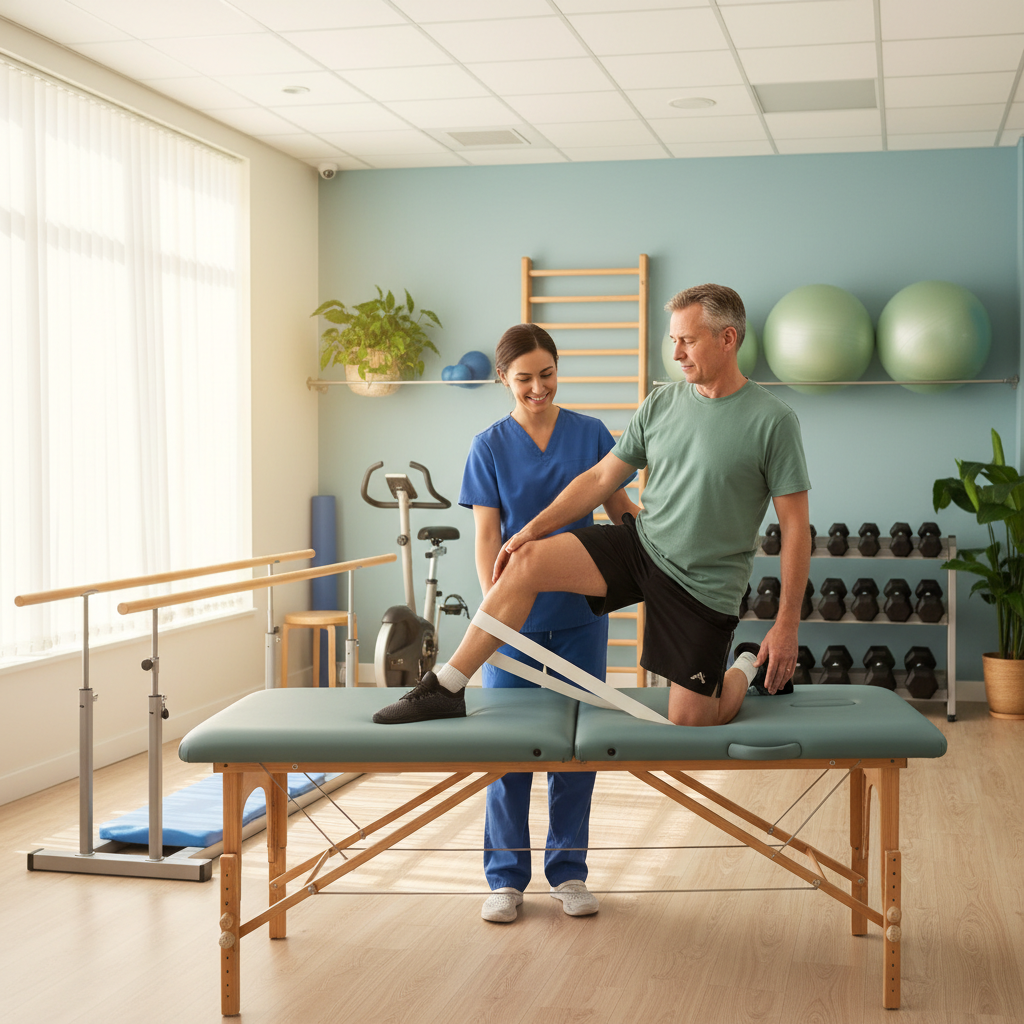
Your physical therapist will likely see you very soon after surgery, sometimes even the same day! The initial focus is on: • Pain management techniques and understanding medication schedules. • Gentle range of motion exercises to prevent stiffness and scar tissue formation. • Basic strengthening exercises like ankle pumps and quad sets. • Ambulation training with assistive devices (walker, crutches) to promote early mobility and prevent complications like blood clots. • Transfer training to help you safely move from bed to chair and vice versa. Sub-Acute Phase (Weeks 3-12)
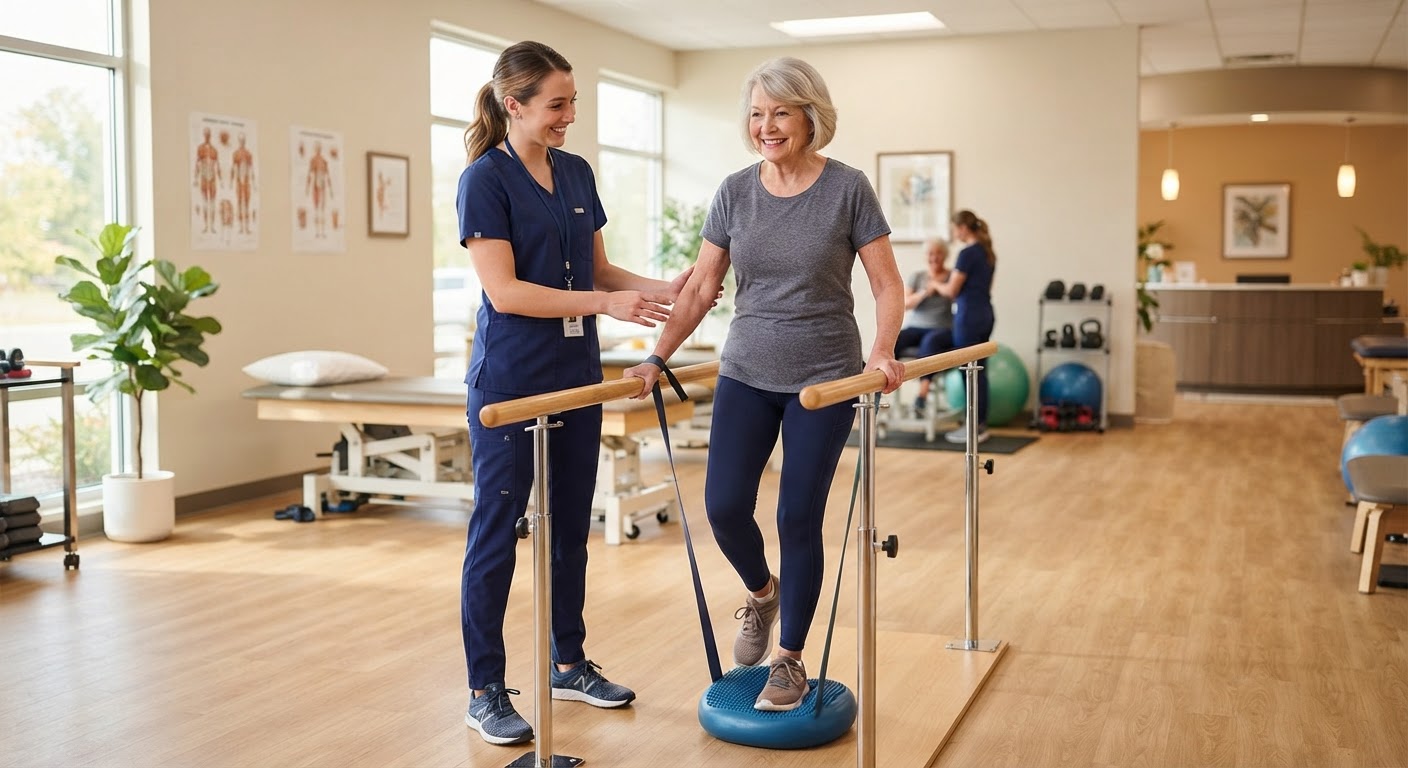
As you progress, the intensity and complexity of your exercises will increase. This phase focuses on: • Progressive strengthening exercises for the quadriceps, hamstrings, glutes, and calf muscles. • Advanced range of motion activities to achieve full flexion and extension. • Balance training to improve stability and prevent falls. • Gait training to normalize your walking pattern and reduce reliance on assistive devices. • Introduction of functional activities relevant to your daily life, such as stair climbing, getting up from a low chair, and light household tasks. Long-Term Rehabilitation and Return to Activity (Beyond 12 Weeks)
This final crucial phase is about fine-tuning your strength, endurance, and functional abilities to allow you to return to your desired activities, whether it's golfing, gardening, or simply enjoying a walk with family. • Sport-specific or activity-specific training (if applicable). • Advanced plyometric or agility exercises (for appropriate individuals). • Endurance training. • Home exercise program progression for continued independent management.
Throughout every stage, your physical therapist will continuously assess your progress, adjust your treatment plan, and provide ongoing education. They will also communicate with your surgeon to ensure a coordinated and effective care strategy. Practical Tips for a Successful Recovery • Adhere to your home exercise program: Consistency is key. Even on days you don't see your therapist, completing your exercises is vital. • Manage pain effectively: Don't let pain deter you from your exercises. Communicate with your medical team about pain management. • Listen to your body: It's important to push yourself, but also to recognize when you need rest. Avoid activities that cause sharp, severe pain. • Maintain a healthy lifestyle: Good nutrition and adequate hydration support healing. • Be patient: Recovery takes time. Celebrate small victories and remain committed to your rehabilitation. • Don't hesitate to ask questions: Your physical therapist is there to educate and support you. Choose Physical Therapy NOW™ for Your Knee Replacement Recovery
Embarking on a total knee replacement journey can feel daunting, but with the right support, you can achieve remarkable results. At Physical Therapy NOW™'s Palm Beach Gardens location, our expert physical therapists are dedicated to providing the highest quality of care, utilizing evidence-based techniques and compassionate support to help you regain your independence and quality of life.
We pride ourselves on creating a welcoming and encouraging environment where every patient feels empowered to succeed. Our goal is not just to get you through recovery, but to help you thrive.
If you're considering or preparing for a total knee replacement, or if you've recently undergone the procedure, don't delay the crucial step of physical therapy. It's the cornerstone of a successful recovery.
Ready to reclaim your mobility and live life without knee pain? Contact Physical Therapy NOW™ in Palm Beach Gardens today to schedule your initial consultation. Call us at [Insert Phone Number Here] or visit our clinic at [Insert Address Here] to learn more about how we can help you achieve an outstanding recovery. Your best knee awaits!
Ready to start feeling better?
Physical Therapy NOW™ has 40+ Florida locations with same-week appointments. Most insurance, auto accident (PIP), workers' compensation and Medicare accepted.