A car accident can leave you dealing with soreness, stiffness, or difficulty moving—even when you felt relatively fine at first. Symptoms may appear hours or days later, and everyday activities such as turning your head, lifting a bag, or sitting at a desk can become uncomfortable. Physical therapy can help you understand what is limiting your movement and build a safe, personalized path toward recovery.
At Physical Therapy NOW™, the Kissimmee location supports people recovering from auto accident injuries with individualized care. The right plan depends on your symptoms, health history, and goals, so a physical therapist can assess your needs and recommend appropriate next steps.
Why Symptoms May Appear Later
After a collision, your body may respond to sudden forces with muscle tension, inflammation, or changes in how you move. Adrenaline and the demands of the moment can also make it harder to notice discomfort right away. Later, you might experience neck or back pain, headaches, limited range of motion, or soreness in your shoulders and hips.
Do not assume that delayed discomfort is unimportant, but do not try to diagnose the cause on your own. Contact a healthcare professional about new or worsening symptoms. If you have severe pain, trouble breathing, significant bleeding, weakness, numbness, confusion, or another urgent concern after a crash, seek emergency care.
How Physical Therapy Supports Recovery
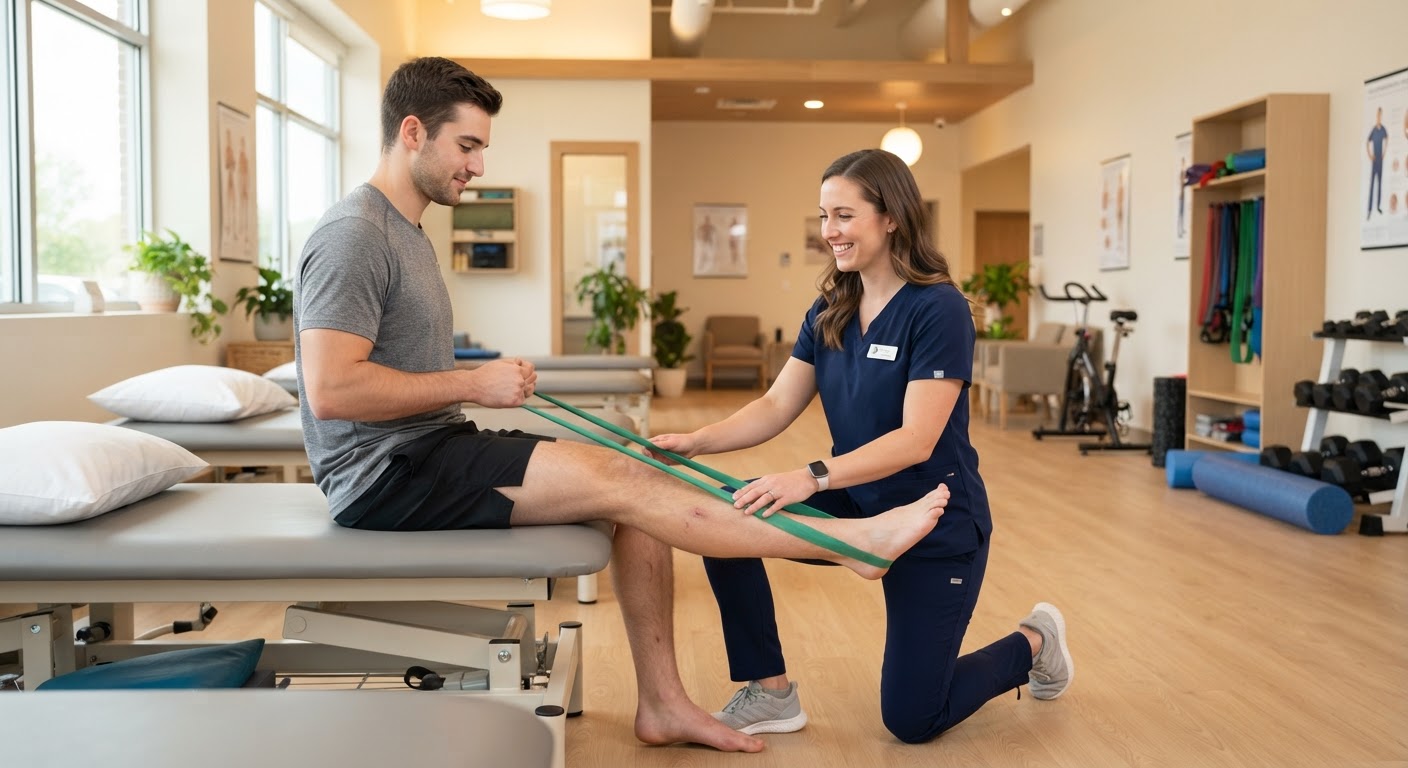
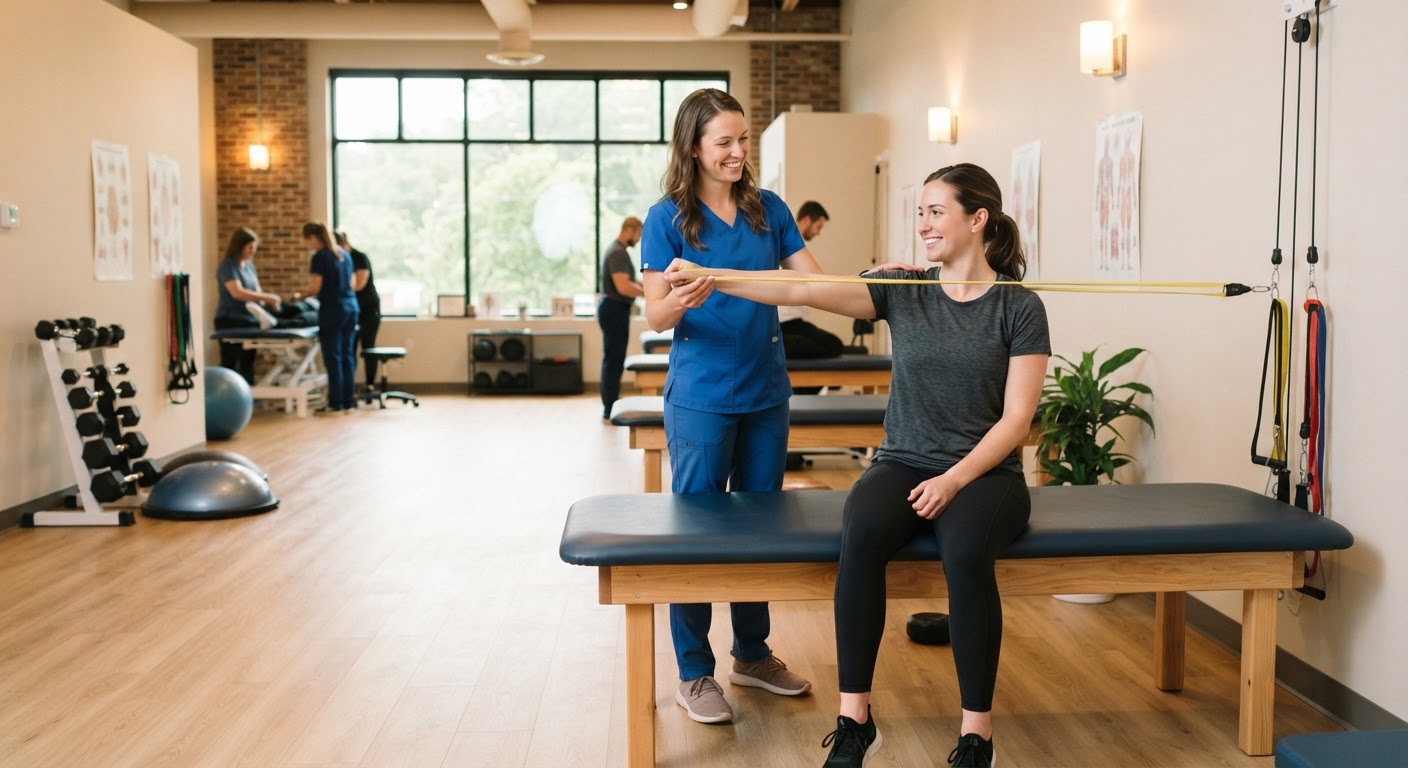
A physical therapist begins by learning how the accident happened, what symptoms you have, and which activities are difficult. Your evaluation may include checking posture, mobility, strength, balance, and how you perform certain movements. This information helps guide a rehabilitation plan that matches your current abilities and changes as you progress.
Physical therapy may support recovery in several practical ways:
Pain relief strategies: Your therapist may recommend carefully selected movement, positioning, or other appropriate techniques to help manage discomfort. The aim is to address your needs while avoiding exercises that aggravate symptoms.
Improved mobility: Gentle, progressive exercises can help restore flexibility and movement when stiffness is getting in the way of daily tasks. Your therapist will help determine which motions are suitable for you.
Strength and stability: As symptoms allow, strengthening work can help you rebuild capacity for activities such as walking, lifting, and returning to work or recreation.
Confidence with movement: Pain can make people hesitant to move. Guidance from a physical therapist can help you understand how to move safely and gradually resume appropriate activities.
A plan for daily life: Your program may include exercises and practical recommendations you can use at home, at work, or while completing routine tasks.
Care for Common Accident-Related Problems
Physical therapy is often part of care for concerns such as neck discomfort, back pain, muscle strains, joint stiffness, and movement limitations after a collision. Your needs may differ from someone else’s, even if you experienced a similar accident. A personalized approach matters because the right exercises, pace, and goals depend on your evaluation and response to treatment.
Your therapist can also coordinate recommendations with your other healthcare providers when appropriate. If a particular symptom is outside the scope of physical therapy or needs further assessment, your therapist can advise you to contact the appropriate medical professional.
Helpful Steps You Can Take
Keep track of your symptoms. Note when discomfort began, what makes it better or worse, and how it affects sleep, work, driving, or other activities. This information can help you describe your experience during an appointment.
Follow medical guidance. If you have been evaluated by a healthcare provider, follow their instructions and share relevant recommendations with your physical therapist. Ask before starting exercises if you are unsure whether they are appropriate for your condition.
Stay gently active when appropriate. Prolonged inactivity may not be right for every person or injury. Ask your healthcare provider or physical therapist what level of movement is safe for you, and stop an activity that causes concerning or increasing symptoms.
Use good habits during recovery. Take breaks from positions that feel uncomfortable, set up your workspace to support comfortable posture, and use only pain-management methods that have been recommended for you. Consistency with an individualized home program can help you work toward your goals.
Ask questions about your care. Make sure you understand the purpose of each exercise, how often to do it, and what to do if your symptoms change. Tell your therapist about new symptoms or difficulty following your plan so it can be adjusted.
What to Expect From Rehabilitation
Recovery is not always a straight line. Progress can depend on the type of injury, your overall health, the demands of your daily routine, and how your body responds. Your physical therapist can reassess your movement and adjust your program over time. The goal is to support meaningful improvements, such as moving more comfortably, completing daily tasks, and building strength at a pace that fits your situation.
If you are considering care after an accident, ask the clinic about scheduling, what information to bring, and whether your insurance benefits may apply. Coverage and documentation requirements vary, so confirm details with your insurer and the clinic rather than assuming a particular service is covered.
Take the Next Step Toward Recovery
You do not have to navigate post-accident discomfort alone. Physical Therapy NOW™ offers personalized physical therapy and rehabilitation support at its Kissimmee, FL location. Call or visit the Kissimmee location to ask about an evaluation and discuss a plan that fits your needs. Taking that first step can help you get clearer guidance, work toward pain relief, and return to everyday movement with greater confidence.
Ready to start feeling better?
Physical Therapy NOW™ has 40+ Florida locations with same-week appointments. Most insurance, auto accident (PIP), workers' compensation and Medicare accepted.