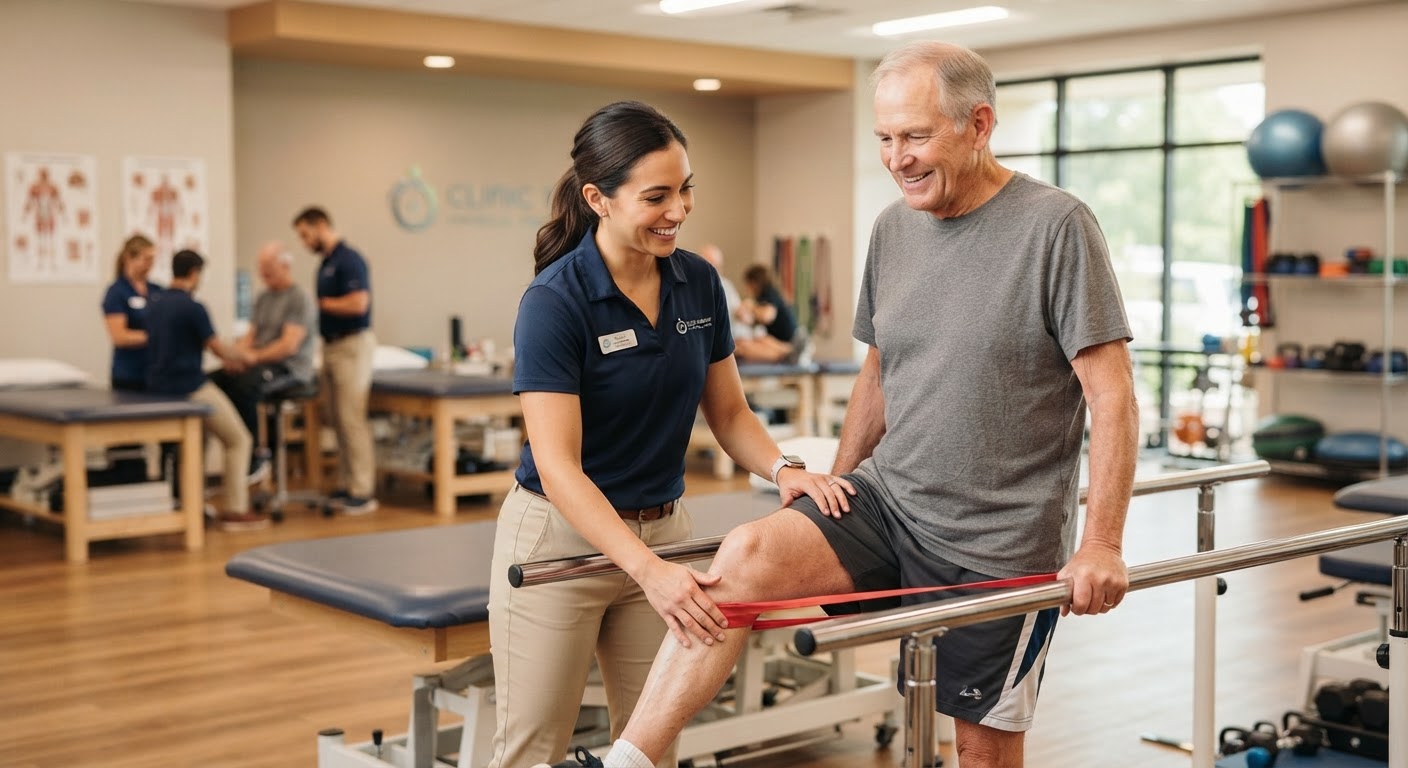
Understanding Medicare Coverage for Physical Therapy
Physical therapy can help you move more comfortably, rebuild strength, improve balance, and manage pain after an injury, illness, or surgery. If you have Medicare, knowing how your benefits work can make it easier to plan for rehabilitation and ask the right questions before starting care.
Medicare coverage depends on the type of plan you have, the services you need, and whether the care meets Medicare’s requirements. Here is a practical overview to help you get started. For personal coverage decisions, confirm details with Medicare or your plan administrator.
How Original Medicare Covers Outpatient Physical Therapy
Original Medicare includes Part A and Part B. Outpatient physical therapy is generally covered under Part B when it is medically necessary and provided by a qualified, Medicare-enrolled provider. Outpatient care may take place in a clinic, a physician’s office, or another eligible setting.
A physical therapist evaluates your condition and develops a plan of care with specific goals. Medicare generally requires the plan to be certified by a physician or other qualified healthcare professional. Your therapist may communicate with your referring or treating provider to support this process.
Coverage is based on the need for skilled therapy, not simply on having a particular diagnosis. Treatment may be appropriate when a therapist’s professional skills are needed to evaluate your condition, provide interventions, or safely adjust your program. Care may address difficulties such as limited range of motion, weakness, balance problems, or pain that affects everyday activities.
Medicare does not set a simple annual visit limit for medically necessary outpatient physical therapy. However, Medicare uses a spending threshold for certain review and documentation requirements. The threshold can change, so ask your clinic how current rules apply to your care. Reaching a threshold does not automatically mean that covered therapy must stop.
Understanding Costs and Plan Differences
With Original Medicare, you are generally responsible for the Part B deductible and, after meeting it, 20 percent of the Medicare-approved amount for covered outpatient services. Your actual costs may vary if you have supplemental insurance or other coverage. Check your current benefits and ask the provider for an estimate before beginning treatment.
Medicare Advantage plans, also known as Part C, must cover services that Original Medicare covers, but they may have different networks, copayments, referral requirements, or prior authorization rules. These details vary by plan. Before scheduling, contact your plan to confirm that the clinic is in network and that any required authorization or referral is in place.
Part A coverage is different. It may apply to eligible inpatient care, such as certain skilled nursing facility stays after a qualifying hospital stay. The rules for inpatient rehabilitation and skilled nursing care differ from outpatient therapy. If you are transitioning from a hospital or facility to clinic-based care, ask which benefit applies and what steps are needed.
What Medical Necessity Means
Medicare coverage is tied to skilled, reasonable, and necessary care for your condition. Your therapist should document your evaluation, goals, progress, and why professional therapy is needed. A plan may include exercises, balance or gait training, functional activities, and education that helps you manage safely at home.
Progress can look different for each person. Some people are working toward improved strength or walking ability. Others may need skilled therapy to maintain function or prevent avoidable decline. Coverage decisions depend on the individual’s needs and Medicare’s requirements; improvement is not the only consideration. Talk with your therapist if you are unsure how your goals and continued care are being documented.
Practical Steps Before Your First Visit
A few simple steps can help prevent surprises and make your first appointment more productive:
Confirm your coverage. Check whether you have Original Medicare or a Medicare Advantage plan, and ask about deductibles, coinsurance, network status, referrals, and prior authorization.
Bring useful information. Have your Medicare or plan card, identification, medication list, and relevant medical records available. If you have a recent imaging report or discharge instructions, ask whether the clinic needs a copy.
Describe your daily challenges. Tell the therapist what activities are difficult, when your symptoms occur, and what you hope to do more comfortably. Specific examples, such as trouble climbing stairs or standing long enough to prepare a meal, help guide your evaluation.
Ask questions about the plan. Discuss your goals, expected visit schedule, home exercises, and how progress will be reviewed. Ask whom to contact if your symptoms change or you have a concern about costs.
Keep track of your care. Follow your home program as directed, attend scheduled appointments when possible, and let your therapist know about changes in pain, mobility, or overall health. Your feedback helps the care team adjust treatment safely.
Physical Therapy for Mobility and Pain Relief in Miami
Choosing a local clinic can make it easier to stay consistent with rehabilitation. Physical Therapy NOW™ at the Bird Road location in Miami, FL, can help you understand the therapy process and discuss your movement goals. The clinical team can explain what information may be needed and encourage you to verify plan-specific benefits with your insurer.
Physical therapy is not a one-size-fits-all process. A personalized evaluation can help identify what is limiting your movement and shape a plan around your needs, abilities, and goals. Whether you are recovering from surgery, managing a persistent condition, or working to feel steadier on your feet, ask how therapy may support safer movement and everyday function.
Take the Next Step
Medicare coverage can feel complicated, but you do not have to sort through every detail alone. Confirm your benefits with Medicare or your plan, and bring your questions to your first appointment. For guidance on getting started with rehabilitation and pain relief, visit or call Physical Therapy NOW™ at the Bird Road location in Miami, FL. Contact the clinic to discuss scheduling and what to bring to your evaluation.
Ready to start feeling better?
Physical Therapy NOW™ has 40+ Florida locations with same-week appointments. Most insurance, auto accident (PIP), workers' compensation and Medicare accepted.