Reclaiming Your Mobility: The Vital Role of Physical Therapy in Knee Replacement Recovery
Experiencing persistent knee pain can significantly impact your daily life, making simple activities like walking, climbing stairs, or even sleeping comfortably a challenge. For many, a total knee replacement (TKR), also known as total knee arthroplasty, offers a life-changing solution to alleviate chronic knee pain and restore function. While the surgery itself is a significant step, it's just the beginning of your journey toward a pain-free, active life. The crucial bridge to full recovery is comprehensive and tailored physical therapy.
At Physical Therapy NOW™ in Miami, FL, specifically our Cutler Bay location, we specialize in guiding individuals through every phase of their knee replacement recovery. Our goal is not just to get you back on your feet, but to help you move with confidence, strength, and renewed vitality. Understanding Total Knee Replacement
A total knee replacement involves removing damaged bone and cartilage from the thighbone (femur), shinbone (tibia), and kneecap (patella) and replacing them with artificial components, typically made of metal alloys, high-grade plastics, and polymers. This procedure is generally recommended when severe arthritis or knee injuries have caused extensive damage, leading to chronic pain and significant limitations in mobility that haven't responded to conservative treatments.
While highly successful in relieving pain and improving function, the recovery process requires commitment. This is where dedicated physical therapy becomes indispensable. Why Physical Therapy is Essential After Knee Replacement Surgery
Many patients underestimate the critical role of physical therapy in achieving optimal outcomes after knee replacement surgery. It’s not merely a suggestion; it’s a cornerstone of a successful recovery. Here’s why: 1. Pain Management and Swelling Reduction
Post-surgical pain and swelling are inevitable. Physical therapists employ various techniques, including gentle exercises, icing protocols, compression, and manual therapy, to manage these symptoms effectively. Reducing pain allows you to participate more fully in your rehabilitation exercises. 2. Restoring Range of Motion (ROM)
Immediately after surgery, your knee will be stiff. Physical therapy focuses on gradually and safely restoring your knee's full range of motion. Early, controlled movement is vital to prevent scar tissue formation and ensure the new joint moves freely. Our therapists at Physical Therapy NOW™ use evidence-based exercises to carefully increase your knee's flexibility. 3. Strengthening Surrounding Muscles
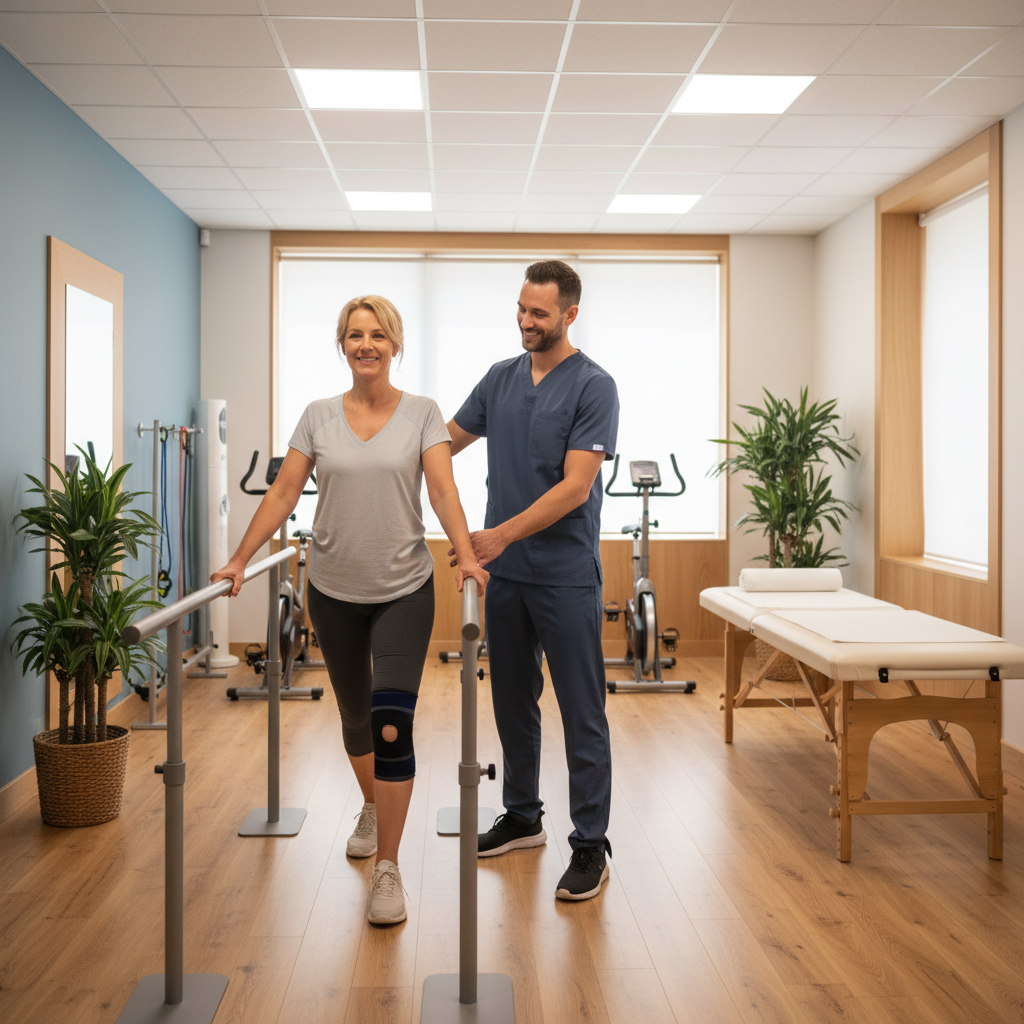
Weakness in the quadriceps, hamstrings, and calf muscles is common after surgery due to inactivity and the surgical trauma itself. A personalized strengthening program is crucial to support your new knee joint, improve stability, and enable you to bear weight and move confidently. Strong muscles also help reduce stress on the new joint. 4. Improving Balance and Gait
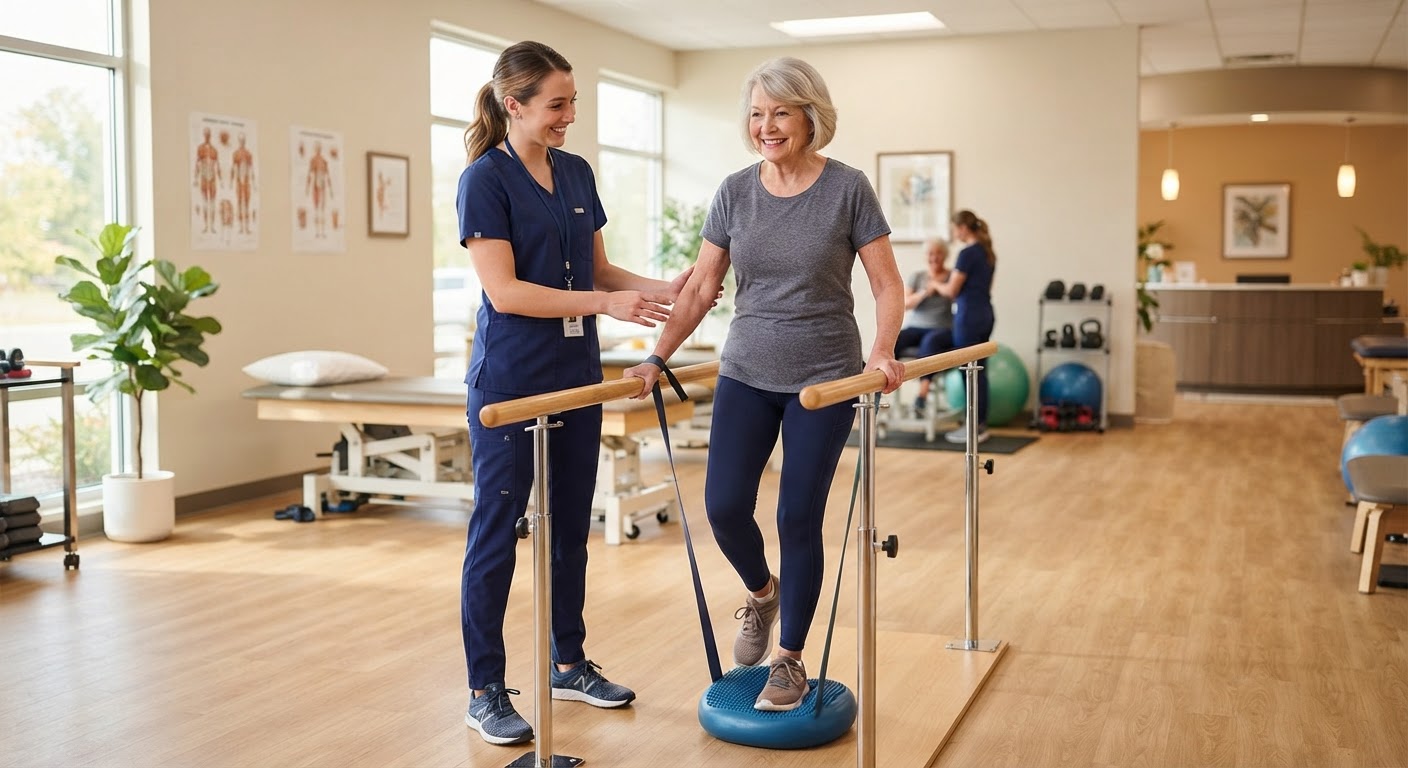
After a knee replacement, your balance may be temporarily affected, and your gait (walking pattern) might change. Physical therapists work on balance training and gait retraining to help you walk safely and efficiently, reducing your risk of falls. 5. Education and Activity Modification
Our therapists provide invaluable education on proper body mechanics, precautions to take (e.g., avoiding certain twisting motions or high-impact activities initially), and how to safely navigate daily tasks. This knowledge empowers you to protect your new joint and engage in activities without undue stress. 6. Accelerated and Optimized Recovery
Studies consistently show that patients who adhere to a structured physical therapy program experience faster recovery, better long-term function, and higher satisfaction rates compared to those who do not. It’s about maximizing your investment in your health and achieving the best possible outcome. Your Physical Therapy Journey: What to Expect
Your rehabilitation journey typically begins very soon after surgery, often within 24 hours. While every recovery is unique, here’s a general overview of what you can expect: In the Hospital (Days 1-3 Post-Op) • Early Mobilization: Gentle ankle pumps, quad sets, and knee bends while lying down. You’ll likely stand and take a few steps with assistance, focusing on bearing weight through the new knee. • Education: Learning how to get in and out of bed, use assistive devices (walker, crutches), and manage pain. Early Outpatient Phase (Weeks 1-6) • Focus: Increasing knee flexion and extension, reducing swelling, and beginning light strengthening exercises. This phase is crucial for regaining basic functional mobility. • Exercises: Stationary bike (with low resistance), heel slides, straight leg raises, gentle squats, and walking progression. • Goal: Becoming more independent with daily activities, reducing reliance on assistive devices, and walking with a more natural gait. Intermediate Phase (Weeks 7-12) • Focus: Building strength, improving endurance, and enhancing balance. You’ll work on more challenging exercises and functional movements. • Exercises: Stair climbing, balance drills, more advanced strengthening exercises (e.g., lunges, step-ups), and increasing walking distance. • Goal: Returning to many pre-surgical activities with greater ease and less pain. Advanced Phase (Beyond 12 Weeks) • Focus: Refining strength, agility, and endurance, with a focus on activities specific to your lifestyle and goals. • Exercises: Sport-specific drills (if applicable), advanced balance training, and incorporating exercises to prepare for recreational activities like golf, swimming, or cycling. • Goal: Full integration back into desired activities and maintaining a healthy, active lifestyle with your new knee.
Throughout all phases, our experienced physical therapists at Physical Therapy NOW™ in Cutler Bay will continuously assess your progress, modify your treatment plan as needed, and provide the encouragement and expertise required to ensure a smooth and effective recovery. Practical Tips for a Successful Recovery • Adherence is Key: Consistently follow your home exercise program and attend all scheduled therapy sessions. • Listen to Your Body: It’s important to challenge yourself, but don’t push through sharp, intense pain. Communicate any discomfort to your therapist. • Pain Management: Take prescribed pain medication as directed, especially before therapy sessions, to maximize your participation. • Ice and Elevate: Regularly ice and elevate your knee to help manage swelling, particularly after exercise. • Stay Hydrated and Eat Well: Good nutrition supports healing and energy levels. • Set Realistic Goals: Recovery is a marathon, not a sprint. Celebrate small victories and be patient with your progress. • Communicate: Openly discuss any concerns or questions with your physical therapist and surgeon. Begin Your Journey to a Pain-Free Life with Physical Therapy NOW™
If you're considering knee replacement surgery, or if you've recently undergone the procedure, know that expert physical therapy is your strongest ally in achieving a full and lasting recovery. Don't let chronic knee pain limit your life any longer. At Physical Therapy NOW™ in Miami, FL, our dedicated team is ready to empower you through every step of your rehabilitation journey.
Contact our Cutler Bay location today at [Insert Phone Number Here] or visit us at [Insert Address Here] to schedule your initial consultation. Let us help you reclaim your mobility and get back to doing what you love!
Ready to start feeling better?
Physical Therapy NOW™ has 40+ Florida locations with same-week appointments. Most insurance, auto accident (PIP), workers' compensation and Medicare accepted.