Reclaiming Your Stride: How Physical Therapy Optimizes Knee Replacement Outcomes
Knee pain can be debilitating, affecting everything from your daily errands to your favorite activities. For many, a total knee replacement (TKR), also known as total knee arthroplasty (TKA), offers a profound solution, restoring mobility and significantly reducing chronic pain. But the journey to a fully functional knee doesn't end in the operating room. In fact, one of the most critical components of a successful knee replacement is comprehensive physical therapy.
At Physical Therapy NOW™ in Miami, specifically our Cutler Bay location, we specialize in guiding individuals through every phase of knee replacement, ensuring optimal recovery and a return to the active life you deserve. If you're experiencing persistent knee pain or are preparing for or recovering from surgery, understanding the vital role of physical therapy is your first step towards better health. The Decision for Knee Replacement: When is it Time?
The decision to undergo a total knee replacement is a significant one, typically considered when severe knee pain and disability persist despite non-surgical treatments. Common conditions leading to TKR include: • Osteoarthritis: The most common reason, where cartilage wears away, causing bone-on-bone friction. • Rheumatoid Arthritis: An inflammatory type of arthritis that can severely damage knee cartilage and bone. • Post-traumatic Arthritis: Resulting from a serious knee injury, such as a fracture or ligament tear.
Your orthopedic surgeon will evaluate your condition, considering factors like your pain level, functional limitations, and the extent of joint damage shown on X-rays. While surgery addresses the structural damage, physical therapy prepares your body for the procedure and rehabilitates it afterward. Pre-Operative Physical Therapy: Preparing for Success
Many patients are surprised to learn that physical therapy can begin before surgery. This pre-operative (pre-hab) phase is incredibly beneficial for several reasons: Strengthen Muscles Around the Knee
Weakness in the quadriceps, hamstrings, and gluteal muscles is common with chronic knee pain. Strengthening these muscles beforehand can lead to a faster and more effective post-operative recovery. Stronger muscles mean better support for your new joint and easier initiation of post-surgical exercises. Improve Range of Motion
If your knee already has limited motion, pre-hab can work to improve it. Greater pre-operative flexibility can translate to better post-operative range of motion, which is crucial for activities like walking, bending, and climbing stairs. Educate and Empower
Understanding what to expect before, during, and after surgery significantly reduces anxiety and empowers you to be an active participant in your recovery. Your physical therapist will teach you exercises you’ll do immediately after surgery, proper crutch or walker use, and techniques for safely moving in and out of bed or a chair. This knowledge makes the transition from hospital to home much smoother. Post-Operative Physical Therapy: The Cornerstone of Recovery
Immediately following your knee replacement, physical therapy becomes the most critical aspect of your rehabilitation. The goals are clear: reduce pain and swelling, restore range of motion, regain strength, and ultimately, return to functional independence. The Early Stages (Hospital to First Few Weeks Home)
During your hospital stay, a physical therapist will guide you through gentle exercises designed to improve circulation, prevent blood clots, and begin to restore mobility. You'll learn how to get out of bed, walk with an assistive device (walker or crutches), and perform basic exercises. Once home, regular outpatient physical therapy sessions become essential.
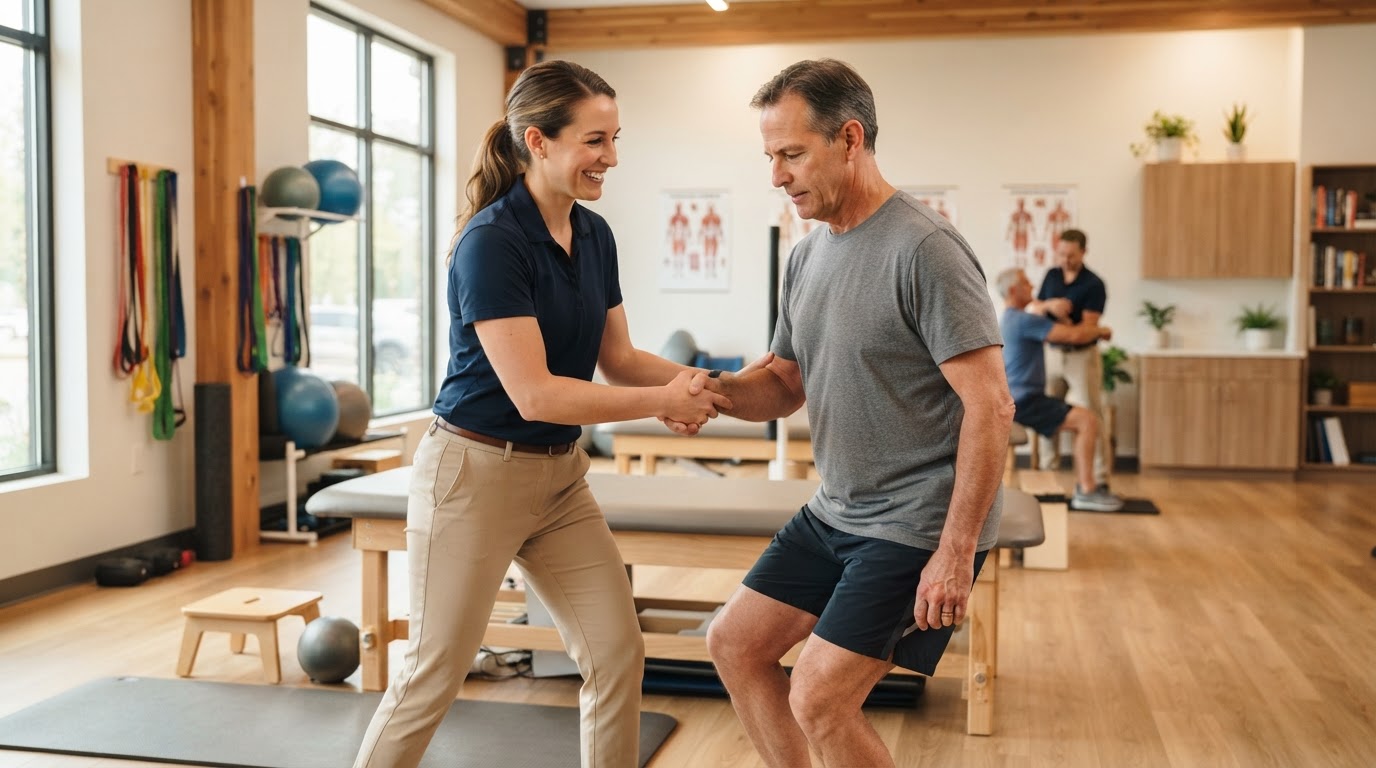
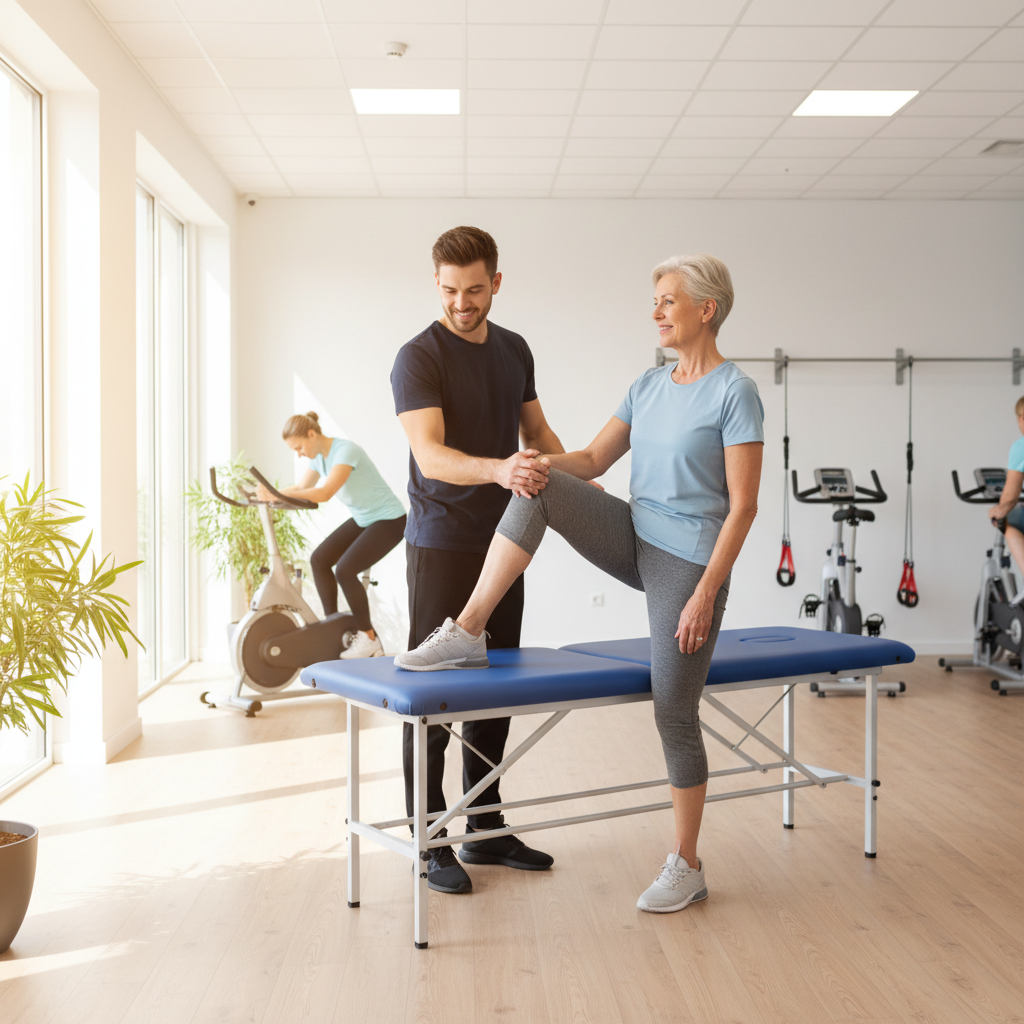
At Physical Therapy NOW™ in Cutler Bay, our therapists will focus on: • Pain and Swelling Management: Utilizing modalities like ice, gentle massage, and elevation. • Range of Motion Exercises: Passive and active exercises to bend and straighten the knee, preventing stiffness and scar tissue formation. A continuous passive motion (CPM) machine may also be used. • Strengthening Exercises: Gradually increasing resistance to rebuild the quadriceps, hamstrings, and calf muscles. • Gait Training: Re-learning how to walk properly, initially with an assistive device, then progressing to independent walking. Mid to Late Stages (Several Weeks to Several Months Post-Surgery)
As your pain subsides and initial mobility returns, your physical therapy program will evolve to more advanced exercises aimed at improving strength, endurance, balance, and proprioception (your body's sense of position in space).
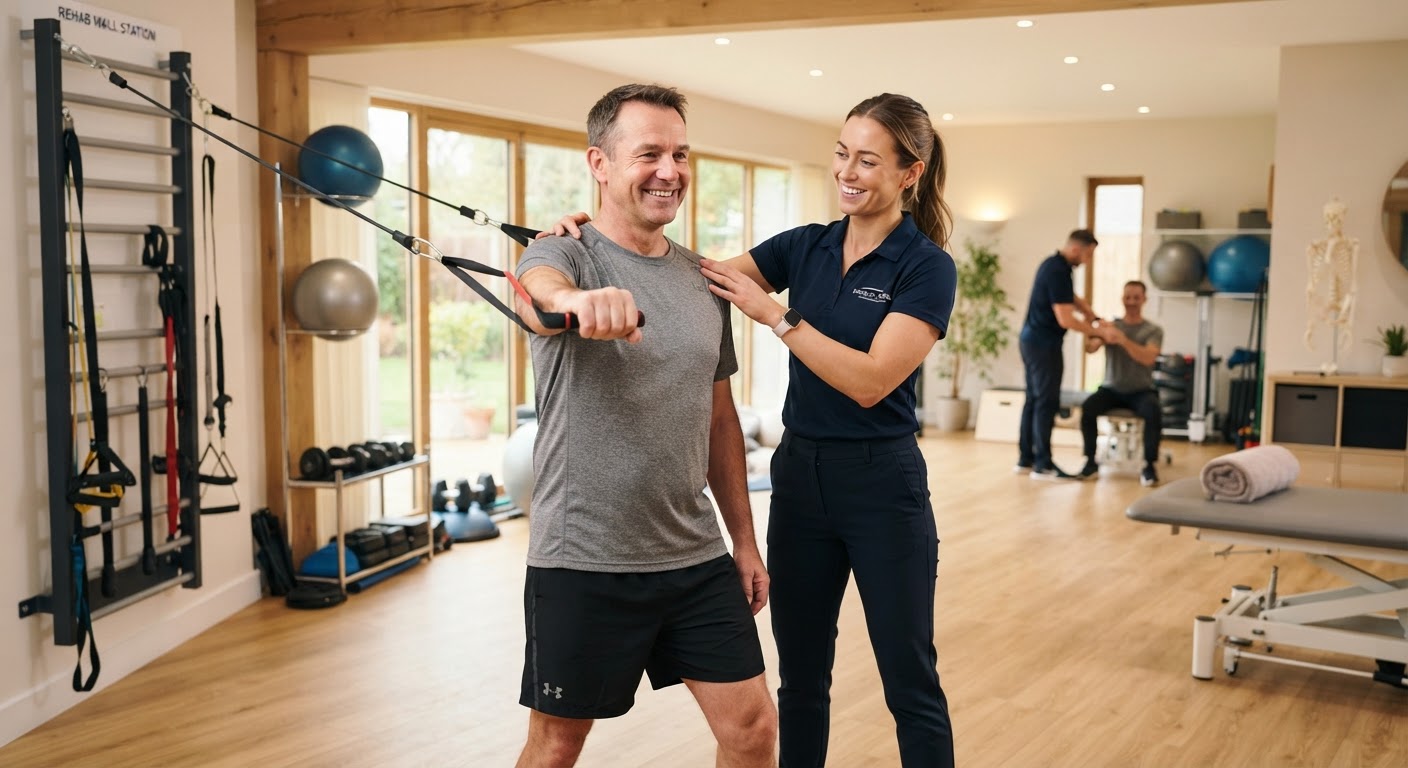
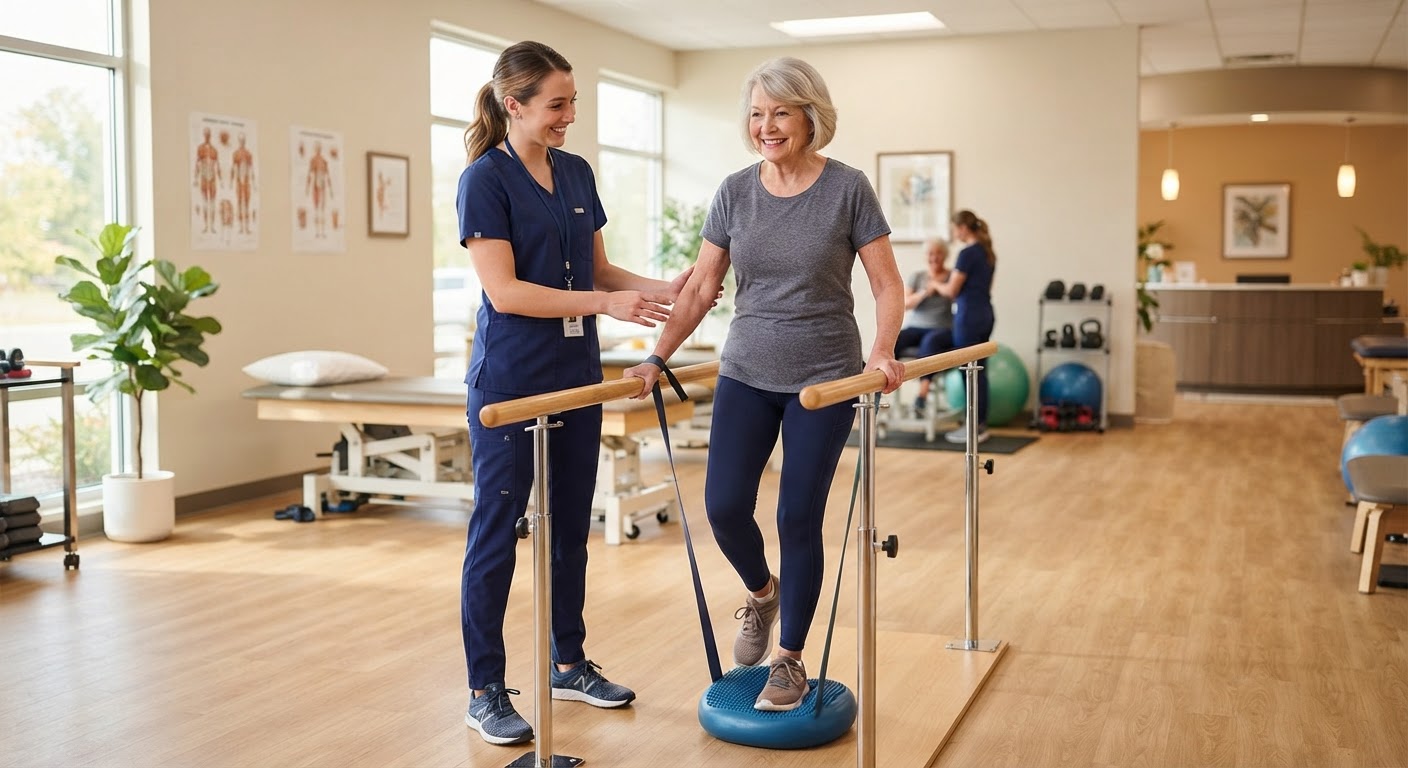
This phase often includes: • Progressive Resistance Training: Using weights, resistance bands, and bodyweight exercises to build significant strength. • Balance Training: Exercises on unstable surfaces, single-leg stands, and dynamic balance activities to prevent falls. • Functional Training: Simulating daily activities like stair climbing, getting up from a low chair, and eventually, returning to hobbies or sports. • Endurance Training: Low-impact cardiovascular exercises like stationary cycling or swimming to improve stamina and overall fitness. Practical Tips for a Successful Recovery
Your commitment to your physical therapy program is paramount. Here are some actionable tips:
1. Adhere to Your Home Exercise Program: Consistency is key. Even on days you don't have therapy, perform your prescribed exercises. 2. Manage Pain Effectively: Communicate openly with your medical team about your pain levels. Managing pain allows you to participate more fully in therapy. 3. Use Assistive Devices as Instructed: Don't rush to abandon your walker or crutches. They protect your new joint and prevent falls. 4. Elevate and Ice: Regularly elevate your leg and apply ice packs to reduce swelling, especially after exercises. 5. Stay Hydrated and Nourished: Proper nutrition supports healing and energy levels. 6. Avoid High-Impact Activities: Protect your new joint by avoiding running, jumping, and contact sports unless specifically cleared by your surgeon and therapist. 7. Listen to Your Body: While it's important to push yourself, recognize the difference between discomfort from exercise and sharp, unusual pain. Why Choose Physical Therapy NOW™ for Your Knee Replacement Recovery?
Choosing the right physical therapy clinic is crucial for your recovery journey. At Physical Therapy NOW™ in Miami, particularly our Cutler Bay location, we pride ourselves on a patient-centric approach: • Experienced Therapists: Our team specializes in orthopedic rehabilitation, with extensive experience in post-operative knee replacement care. • Personalized Treatment Plans: We understand that every patient is unique. Your therapist will design a customized program tailored to your specific needs, goals, and recovery phase. • State-of-the-Art Facilities: Our clinic is equipped with the necessary tools and environment to support your rehabilitation. • Supportive Environment: We foster a warm, encouraging atmosphere where you feel comfortable and motivated throughout your recovery process.
Don't let knee pain or the prospect of surgery deter you from living a full life. With the right care and dedication, a total knee replacement can dramatically improve your quality of life, and physical therapy is your ultimate partner in that transformation. Whether you're experiencing chronic knee pain and exploring options, or you've recently had surgery, we're here to help you every step of the way. Take the First Step Towards a Pain-Free Future
If you're seeking expert physical therapy for knee pain or post-operative knee replacement rehabilitation, look no further. Contact Physical Therapy NOW™ in Cutler Bay, Miami, FL today. Our dedicated team is ready to answer your questions and help you schedule your initial consultation. Reclaim your mobility and live life to the fullest! Call us at [Insert Phone Number Here] or visit our clinic at [Insert Address Here] to begin your journey to a stronger, more active you.
Ready to start feeling better?
Physical Therapy NOW™ has 40+ Florida locations with same-week appointments. Most insurance, auto accident (PIP), workers' compensation and Medicare accepted.