Navigating the Journey to a Pain-Free Life: The Role of Physical Therapy in Knee Replacements
Knee pain is a pervasive issue affecting millions worldwide, often significantly impacting quality of life. For many, this persistent discomfort stems from conditions like osteoarthritis, rheumatoid arthritis, or post-traumatic arthritis, leading to severe limitations in daily activities. When conservative treatments such longer provide relief, a total knee replacement (TKR), also known as total knee arthroplasty, emerges as a highly effective solution. This transformative surgical procedure involves replacing damaged cartilage and bone in the knee joint with artificial implants, designed to restore function and alleviate chronic knee pain. While the surgery itself is a critical step, the journey to a full and successful recovery hinges significantly on one vital component: physical therapy.
Understanding Total Knee Replacement
A total knee replacement is a major surgical procedure performed to alleviate chronic knee pain and disability. During the surgery, the orthopedic surgeon removes the damaged bone and cartilage from the thighbone (femur), shinbone (tibia), and kneecap (patella) and replaces them with prosthetic components made of metal alloys and high-grade plastics. The primary goals of TKR are to relieve pain, restore mobility, and improve the overall quality of life for individuals whose knees have been severely damaged. While the prospect of surgery can be daunting, the long-term benefits for many patients include a significant reduction in pain and a return to various activities they once enjoyed.
Why Physical Therapy is Non-Negotiable Post-Surgery
Following a total knee replacement, the new joint needs to be carefully mobilized and strengthened to integrate properly and function optimally. This is where physical therapy becomes absolutely indispensable. Without dedicated rehabilitation, even the most successful surgery may not yield the best outcomes. Physical therapy helps to address several crucial aspects of recovery:
Managing Swelling and Pain: Immediately after surgery, swelling and pain are common. Physical therapists employ various techniques, including ice, compression, elevation, and gentle exercises, to manage these symptoms effectively, making the recovery process more comfortable.
Restoring Range of Motion: One of the primary goals of physical therapy is to restore the knee's full range of motion. Scar tissue can form quickly, limiting flexibility. Therapists guide patients through specific exercises to bend and straighten the knee, preventing stiffness and ensuring the new joint moves freely.
Building Strength: The muscles surrounding the knee, including the quadriceps, hamstrings, and calves, often weaken significantly due to pre-existing knee pain and the surgery itself. Physical therapists design progressive strengthening programs to rebuild these muscles, providing crucial support and stability for the new joint.
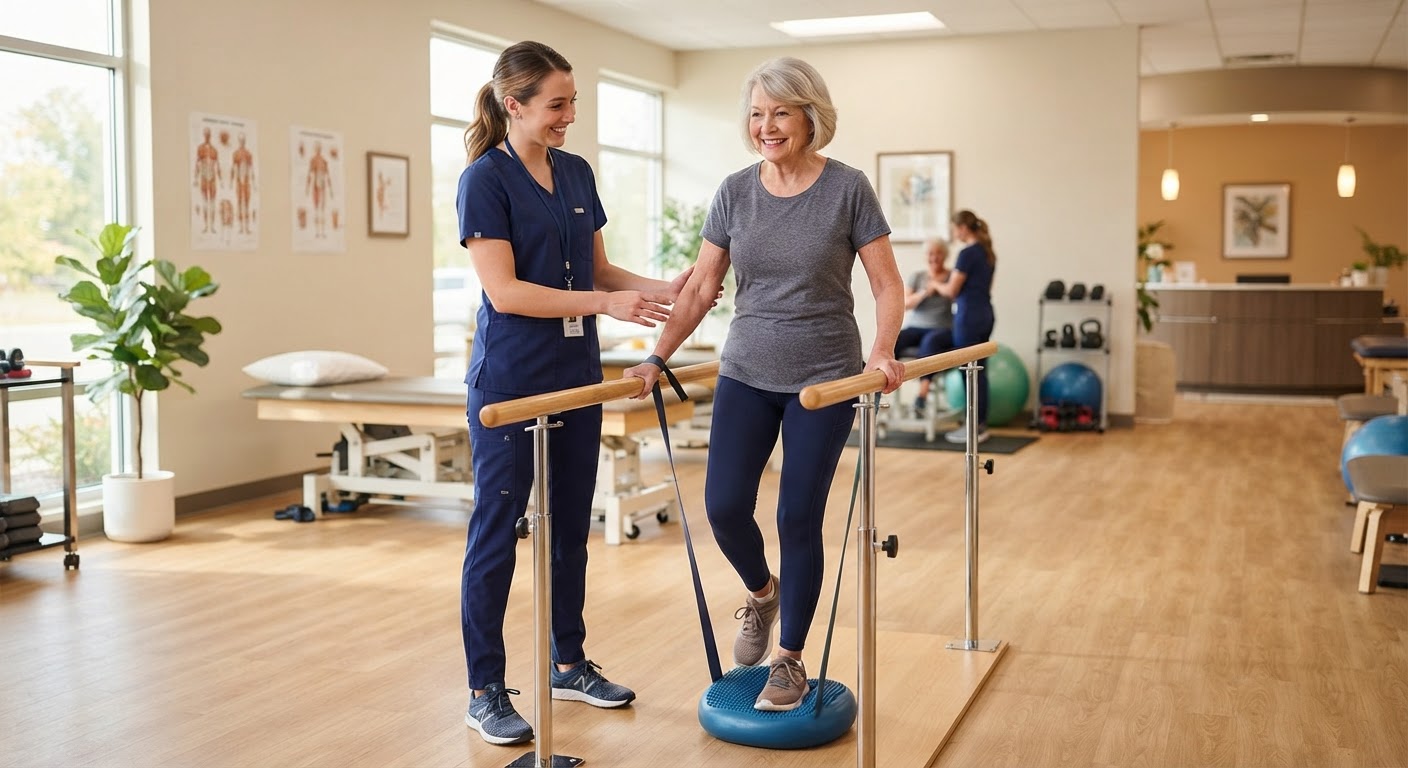
Improving Balance and Proprioception: Surgery can affect proprioception, the body's sense of its position in space. Strengthening exercises, balance training, and gait training help to re-educate the nervous system, reducing the risk of falls and improving overall stability.
Enhancing Functional Mobility: Ultimately, physical therapy aims to help patients regain their ability to perform daily activities with ease. This includes walking, climbing stairs, getting in and out of chairs, and eventually returning to hobbies and recreational activities.
The Physical Therapy NOW™ Approach to Knee Replacement Rehabilitation
At Physical Therapy NOW™, our team of highly skilled and compassionate physical therapists understands the intricacies of knee replacement recovery. We provide personalized, evidence-based rehabilitation programs tailored to each patient's unique needs and recovery timeline. Located conveniently in Miami, FL, our Country Walk clinic is equipped with state-of-the-art facilities and a supportive environment designed to optimize your healing journey.
Initial Assessment: Your journey with us begins with a comprehensive evaluation. Our therapists will assess your current pain levels, range of motion, strength, balance, and functional capabilities. This initial assessment helps us establish a baseline and create a customized treatment plan.
Personalized Treatment Plan: Based on your assessment, we develop a phased rehabilitation program. This plan typically includes a combination of manual therapy techniques, therapeutic exercises, modalities (such as ultrasound or electrical stimulation for pain management), and education.
Manual Therapy: Our therapists use hands-on techniques to mobilize the joint, reduce muscle spasms, and improve tissue flexibility, which is crucial for increasing range of motion after surgery.
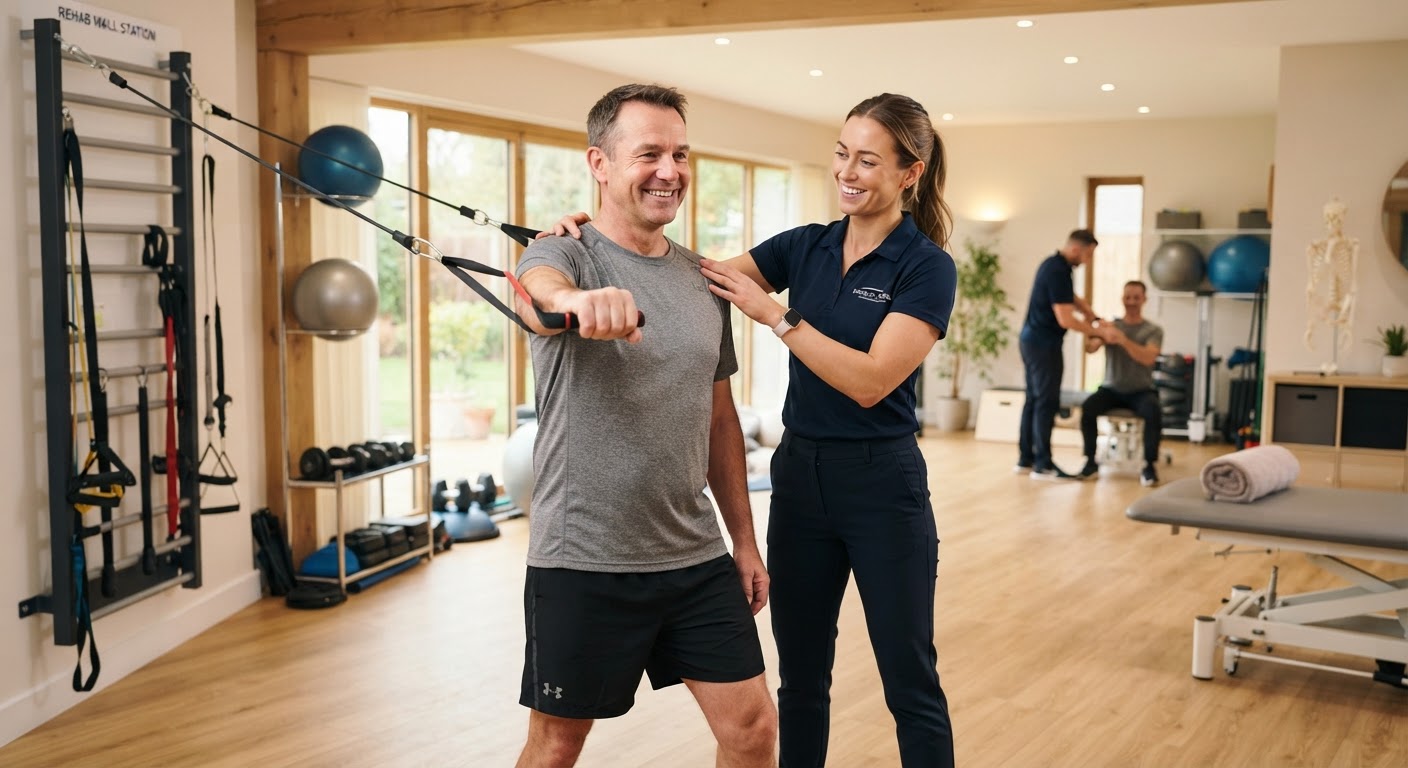
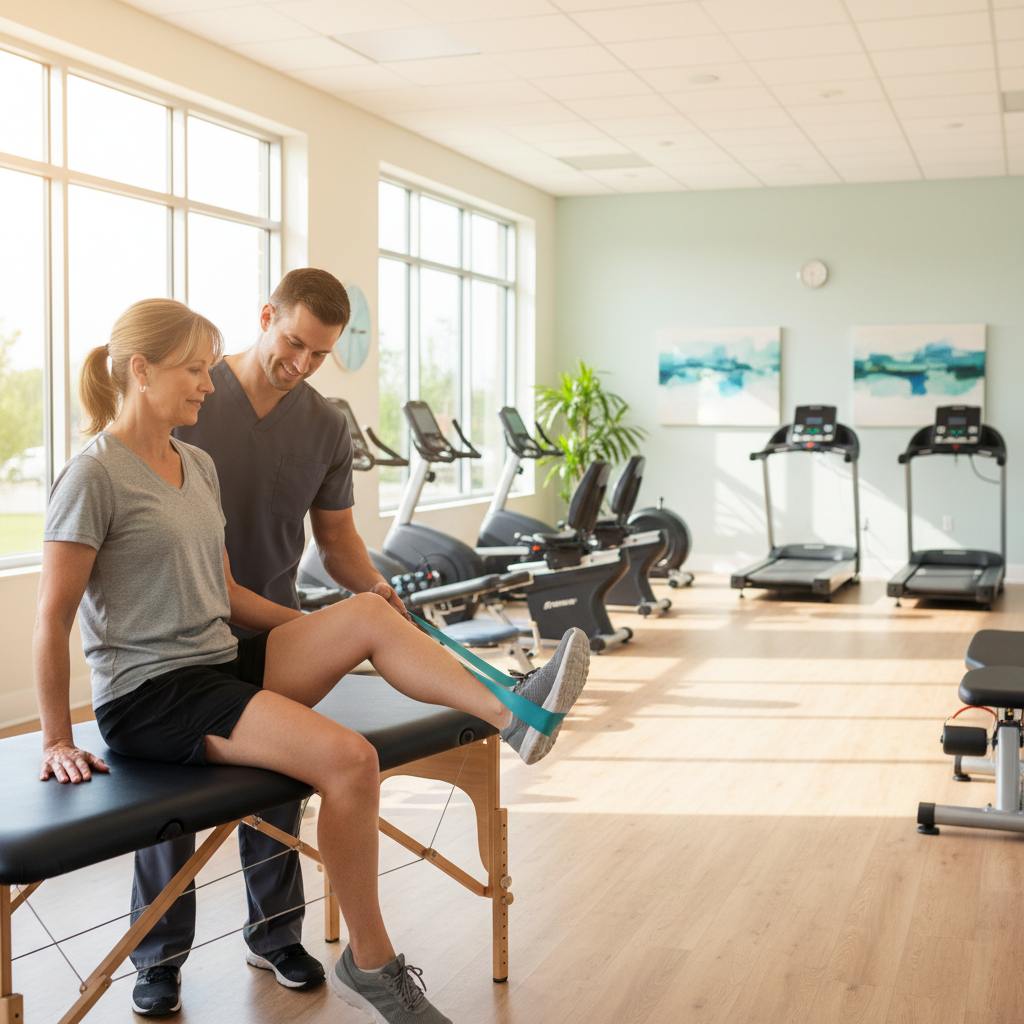
Therapeutic Exercises: You will be guided through a series of exercises designed to progressively strengthen the muscles around your knee, improve flexibility, and enhance stability. These exercises are carefully chosen to match your current stage of recovery.
Gait Training: Learning to walk confidently and correctly is a key part of recovery. Our therapists provide gait training, often utilizing assistive devices initially, to help you regain a natural and efficient walking pattern.
Patient Education: We believe in empowering our patients. You will receive clear instructions on exercises to perform at home, proper body mechanics, activity modifications, and strategies to prevent future knee pain or complications.
Practical Tips for a Successful Recovery
Beyond your sessions at Physical Therapy NOW™ in Miami, FL, here are some actionable tips to support your knee replacement recovery:
Adhere to Your Home Exercise Program: Consistency is key. Performing your prescribed exercises daily, as instructed by your physical therapist, is crucial for regaining strength and mobility.
Manage Pain Effectively: Take prescribed pain medication as directed. Do not let pain deter you from performing your exercises. Communicate any unmanageable pain to your doctor and therapist.
Use Assistive Devices as Recommended: Crutches, walkers, or canes are often necessary in the early stages of recovery. Use them to ensure safety and stability, reducing the risk of falls.
Elevate and Ice Regularly: Continue to elevate your leg and apply ice packs for 15-20 minutes several times a day, especially after exercise, to help manage swelling and pain.
Stay Hydrated and Eat Nutritiously: A healthy diet rich in protein and vitamins supports healing. Staying well-hydrated is also essential for overall recovery.
Listen to Your Body: While it’s important to push yourself gently, avoid overdoing it. Rest when you feel tired, and don't hesitate to communicate any concerns or unusual symptoms to your healthcare providers.
Be Patient and Persistent: Recovery from a total knee replacement is a marathon, not a sprint. There will be good days and challenging days. Celebrate small victories and remain committed to your rehabilitation program.
Choose Physical Therapy NOW™ for Your Recovery Journey
Embarking on the path to a fully recovered and functional knee after surgery requires expert guidance and unwavering support. At Physical Therapy NOW™ in the Country Walk area, we are dedicated to helping you achieve the best possible outcomes, allowing you to return to the activities you love, free from the burden of chronic knee pain. Our team is committed to providing compassionate, individualized care that focuses on restoring your strength, mobility, and confidence.
Don't let knee pain dictate your life any longer. If you are considering or have recently undergone a total knee replacement, take the proactive step towards a faster, more effective recovery. Contact Physical Therapy NOW™ today to schedule your initial consultation at our Country Walk location. Let us help you navigate your rehabilitation journey with expertise and care. Call us or visit our website to learn more and book your appointment. Your journey to a pain-free life starts NOW!
Ready to start feeling better?
Physical Therapy NOW™ has 40+ Florida locations with same-week appointments. Most insurance, auto accident (PIP), workers' compensation and Medicare accepted.