Knee Replacement Recovery: Your Physical Therapy Path to Freedom
Knee pain can be debilitating, stealing your ability to enjoy everyday activities, hobbies, and even simple walks. For many, a total knee replacement (TKR) or partial knee replacement (PKR) surgery offers a life-changing solution, replacing damaged joint surfaces with artificial components to alleviate pain and restore function. While the surgery itself is a critical step, it's just the beginning of your journey back to an active life. The true key to a successful recovery and maximizing the benefits of your new knee lies in a comprehensive and dedicated physical therapy program.
At Physical Therapy NOW™ in The Villages, FL, we understand the nuances of knee replacement rehabilitation. Our expert team is committed to guiding you through every phase of recovery, helping you regain strength, flexibility, and confidence. If you're experiencing persistent knee pain or are preparing for or recovering from knee replacement surgery, understanding the role of physical therapy is essential. Why is Physical Therapy So Crucial After Knee Replacement?
Imagine undergoing major surgery that completely reshapes your knee joint. While the artificial components are designed for smooth movement, your body needs to learn how to use them effectively. This is where physical therapy becomes indispensable. Without it, you risk developing stiffness, weakness, and compensatory movement patterns that can limit your long-term success and even lead to further issues. The Goals of Post-Surgical Physical Therapy:
1. Pain Management: Immediately after surgery, PT helps manage swelling and discomfort through gentle exercises, ice, elevation, and modalities. 2. Restore Range of Motion (ROM): One of the primary goals is to regain full flexion (bending) and extension (straightening) of the knee. Stiffness can quickly set in, making early and consistent ROM exercises vital. 3. Strengthen Surrounding Muscles: The muscles around your knee (quadriceps, hamstrings, glutes, calves) will weaken due to surgery and inactivity. Strengthening these muscles is crucial for supporting the new joint, improving stability, and restoring functional movement. 4. Improve Balance and Proprioception: Your sense of where your new knee is in space (proprioception) will be altered. PT helps retrain your balance and coordination, reducing the risk of falls. 5. Restore Functional Mobility: From walking without assistance to climbing stairs, getting in and out of chairs, and eventually returning to recreational activities, PT progressively guides you back to independence. 6. Patient Education: Understanding proper body mechanics, activity modification, and home exercise programs empowers you to manage your recovery long-term. The Physical Therapy NOW™ Approach to Knee Replacement Rehab
Our approach at Physical Therapy NOW™ for knee replacement rehabilitation is tailored to your unique needs, guided by evidence-based practices and delivered with compassion. We typically begin therapy very soon after your surgery, sometimes even on the same day or the day after, while you are still in the hospital or at home. Early Post-Operative Phase (Weeks 1-4)
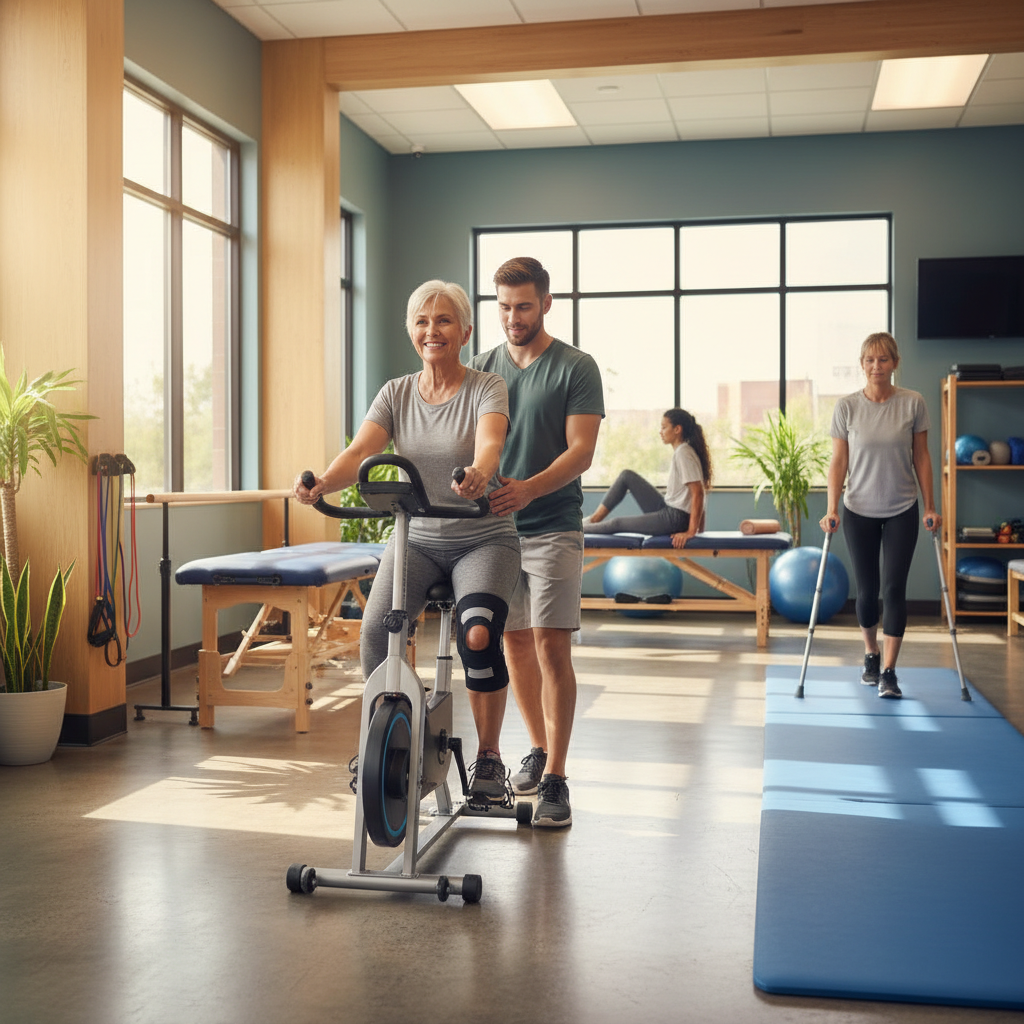
This phase focuses on pain and swelling management, protecting the surgical site, and establishing basic range of motion. Activities often include: • Gentle Passive and Active-Assistive Range of Motion Exercises: To slowly and safely increase knee bending and straightening. • Ankle Pumps and Foot Circles: To improve circulation and prevent blood clots. • Isometric Exercises: Gentle muscle contractions without moving the joint, to begin activating quadriceps and glutes. • Initial Walking with Assistance: Using crutches or a walker as instructed by your surgeon, focusing on proper gait mechanics. • Education: Instruction on proper positioning, transferring, and managing swelling. Mid-Phase Rehabilitation (Weeks 4-12)
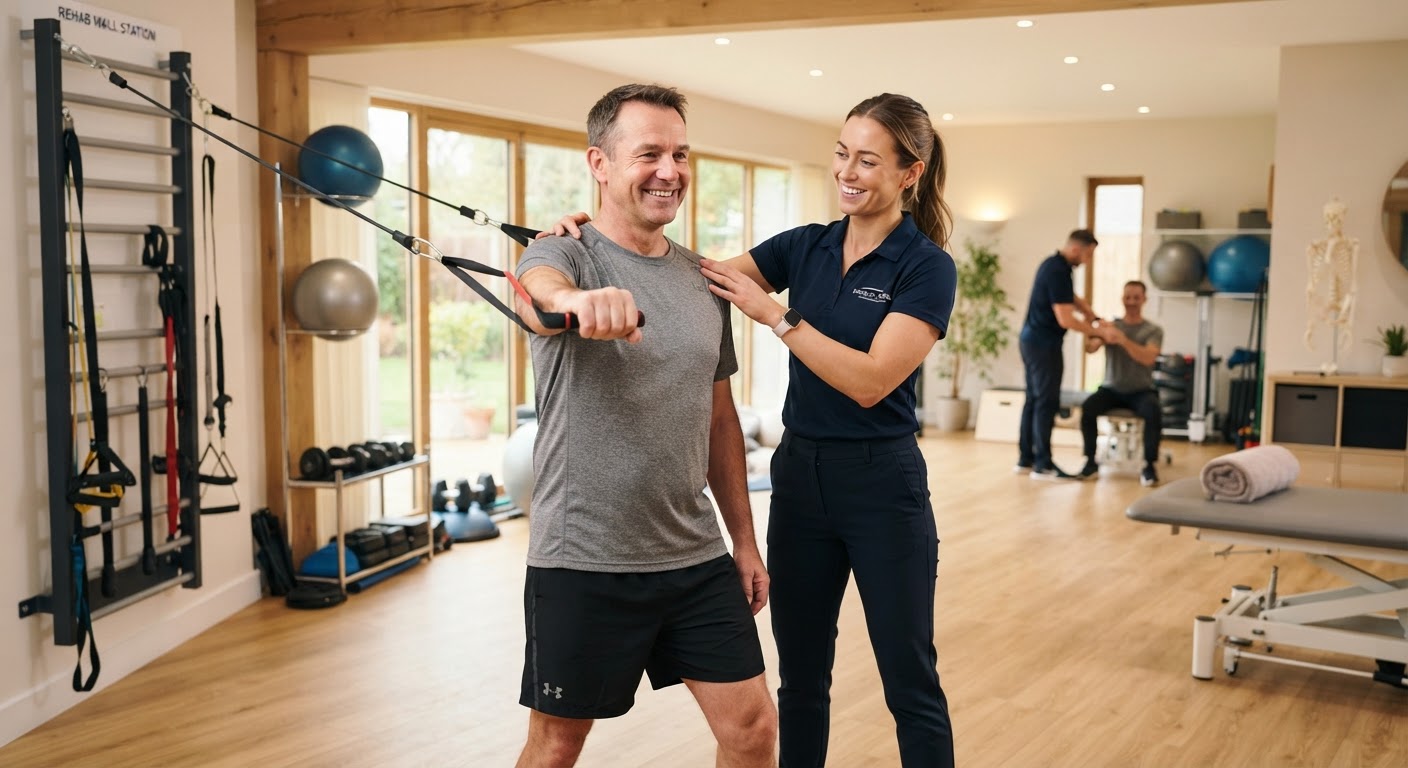
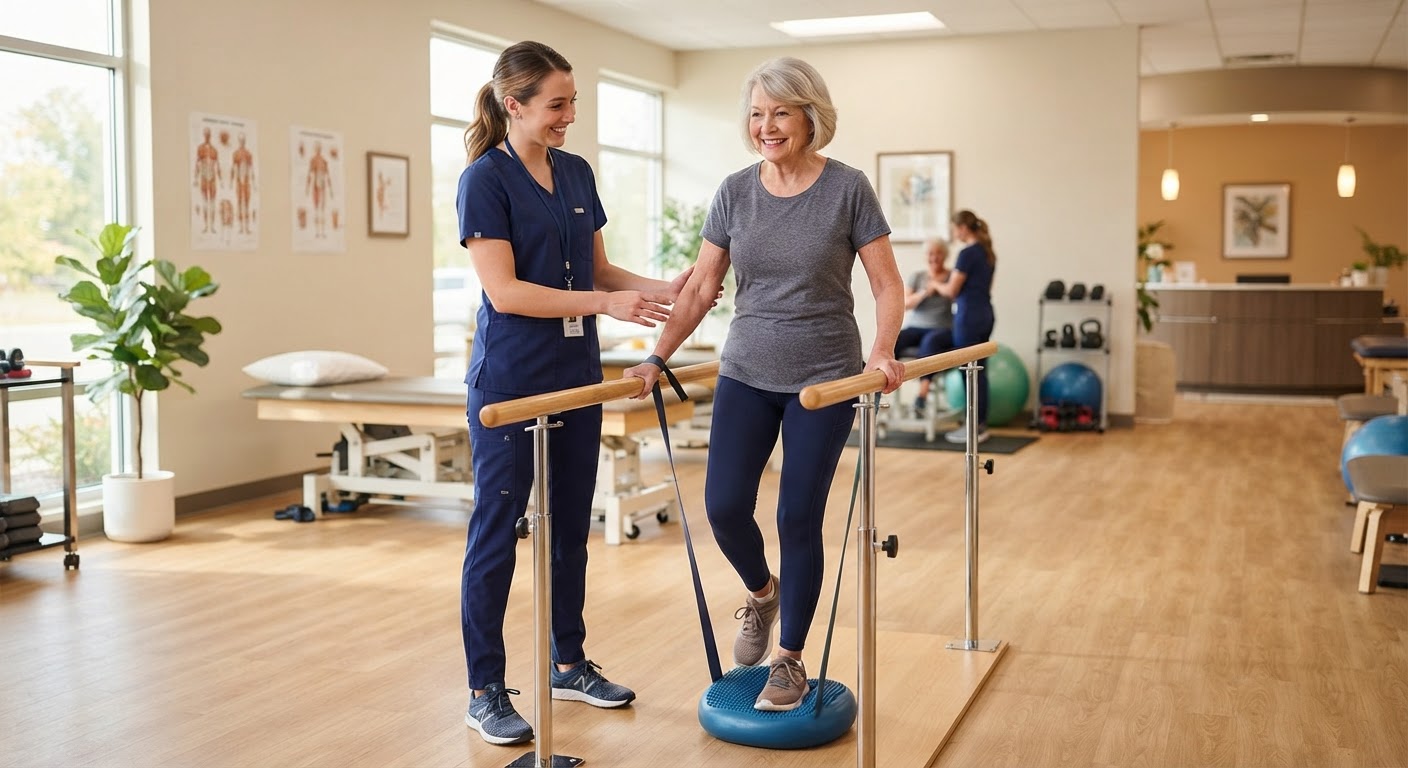
As pain subsides and initial ROM is achieved, the focus shifts to regaining more significant strength and functional mobility. This phase includes: • Progressive Strengthening Exercises: Targeting quads, hamstrings, glutes, and core muscles using resistance bands, light weights, and bodyweight exercises (e.g., mini-squats, leg presses, step-ups). • Advanced Range of Motion: Pushing for greater flexion and full extension. • Balance Training: Using unstable surfaces, single-leg stance, and dynamic balance drills. • Gait Training Refinement: Working towards walking without assistive devices, improving stride length and symmetry. • Stair Climbing Practice: Mastering safe ascent and descent. Late-Phase & Return to Activity (Weeks 12+)
This final phase is about optimizing strength, endurance, and preparing for a full return to desired activities. Your program will become more dynamic and challenging: • Higher-Level Strengthening and Endurance: Incorporating cardio equipment (stationary bike, elliptical) and more advanced resistance exercises. • Sport-Specific or Activity-Specific Drills (if applicable): Preparing for hobbies like golf, swimming, or hiking, ensuring your new knee can handle the demands. • Plyometric or Agility Exercises (selected cases): For individuals aiming for higher-impact activities, always cleared by your surgeon and therapist. • Self-Management Strategies: Developing a long-term home exercise program to maintain strength and flexibility. Practical Tips for a Successful Knee Replacement Recovery
1. Adhere to Your Home Exercise Program: Consistency is key. Your assigned exercises are crucial for progress, even on days you don't visit the clinic. 2. Manage Pain and Swelling: Use ice, elevation, and prescribed medications as directed. Reducing inflammation allows for more effective therapy. 3. Stay Hydrated and Eat Well: Proper nutrition supports healing and energy levels. 4. Listen to Your Body (but push gently): It's a balance. Some discomfort during exercises is normal, but sharp or increasing pain should be addressed with your therapist. 5. Wear Appropriate Footwear: Supportive shoes can improve stability and comfort. 6. Modify Your Home Environment: Remove tripping hazards, ensure good lighting, and consider assistive devices like grab bars for safety. 7. Communicate with Your Team: Share your concerns, progress, and any setbacks with your physical therapist and surgeon. They are there to support you. Your Partner in Recovery: Physical Therapy NOW™ in The Villages, FL
At Physical Therapy NOW™, we pride ourselves on providing personalized, evidence-based care in a supportive and encouraging environment. Our team of experienced physical therapists in The Villages location is dedicated to helping you achieve the best possible outcome after your knee replacement surgery. We'll work closely with your orthopedic surgeon to ensure a seamless and effective rehabilitation journey.
Don't let knee pain or the fear of recovery hold you back. Whether you're just beginning to explore surgical options for your knee pain, are preparing for your procedure, or are ready to embark on your post-operative rehabilitation, we are here to empower you every step of the way. Take the First Step Towards a Pain-Free Life!
Ready to regain your independence and embrace life without debilitating knee pain? Contact Physical Therapy NOW™ today! Our dedicated team at The Villages, FL location is ready to answer your questions and schedule your initial consultation. Call us at [Insert Phone Number Here] or visit our clinic at [Insert Address Here] to start your personalized journey to recovery. Let us help you get back to doing the things you love.
Ready to start feeling better?
Physical Therapy NOW™ has 40+ Florida locations with same-week appointments. Most insurance, auto accident (PIP), workers' compensation and Medicare accepted.