Knee Replacements in Physical Therapy: Reclaiming Your Mobility
Knee pain can be debilitating, impacting every aspect of your life – from simple walks to cherished hobbies. When conservative treatments no longer provide relief, a total knee replacement (TKR), also known as total knee arthroplasty, may become a necessary step toward reclaiming your independence and improving your quality of life. While the surgery itself is a significant procedure, it's just the beginning of your journey. The most critical component for a successful outcome following knee replacement surgery is a comprehensive and dedicated physical therapy program.
At Physical Therapy NOW™ in Plantation, FL, we understand the anxieties and hopes that come with considering or undergoing knee replacement surgery. Our expert team is committed to guiding you through every stage of your recovery, ensuring you regain strength, flexibility, and confidence. Understanding Total Knee Replacement Surgery
A total knee replacement involves removing damaged bone and cartilage from your thighbone, shinbone, and kneecap, and replacing them with artificial joints made of metal alloys, high-grade plastics, and polymers. This procedure is typically recommended for individuals suffering from severe knee pain and disability caused by conditions such as osteoarthritis, rheumatoid arthritis, or post-traumatic arthritis.
The goal of a TKR is to alleviate pain, correct lower limb deformities, and improve your ability to move your knee. However, the success of the surgery heavily relies on your commitment to rehabilitation. This is where physical therapy plays an indispensable role. The Indispensable Role of Physical Therapy Post-TKR
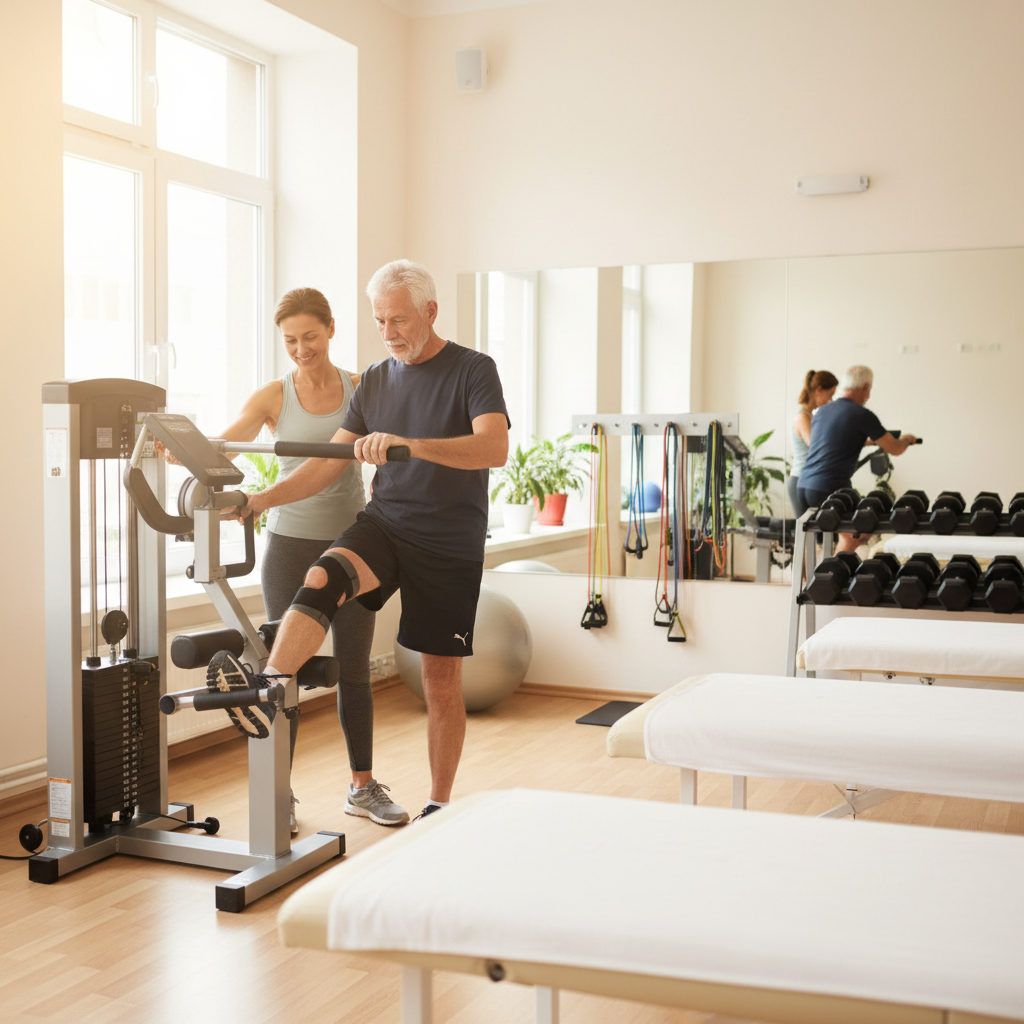
Physical therapy is not just a recommendation after knee replacement surgery; it is an essential, non-negotiable part of your recovery. Starting as early as the day of surgery, or the day after, physical therapy helps you: • Manage Pain and Swelling: Therapists use various techniques, including ice, elevation, and gentle exercises, to reduce post-operative pain and swelling, making your recovery more comfortable. • Restore Range of Motion (ROM): One of the primary goals is to regain the ability to bend and straighten your knee fully. Early and consistent ROM exercises prevent stiffness and scar tissue formation, which can severely limit your knee's function. • Strengthen Surrounding Muscles: The muscles around your knee (quadriceps, hamstrings, and calf muscles) will weaken due to inactivity and surgery. Physical therapy focuses on strengthening these muscles, providing stability and support to your new joint. • Improve Balance and Gait: After surgery, your balance may be affected, and your walking pattern (gait) will need to be re-educated. Therapists guide you through balance exercises and teach you how to walk efficiently and safely, often with the aid of crutches or a walker initially. • Increase Functional Independence: The ultimate aim is to help you return to your daily activities – getting out of bed, walking up stairs, driving, and even your favorite recreational activities – with confidence and minimal knee pain. • Prevent Complications: Regular movement and exercises help prevent common post-operative complications like blood clots and pneumonia. Your Physical Therapy Journey: What to Expect
Your physical therapy program at Physical Therapy NOW™ in Plantation is tailored to your individual needs and progress. While the specifics will vary, here's a general overview of what you can expect: Early Post-Operative Phase (Hospital & First Few Weeks Home) • In-Hospital Therapy: You'll likely begin gentle exercises within hours or a day after surgery. These focus on ankle pumps, knee bends, and straightening exercises to prevent stiffness and promote circulation. You'll also learn how to safely get out of bed and walk short distances with an assistive device. • Outpatient Therapy Begins: Once discharged, you'll transition to outpatient physical therapy. Sessions will typically be 2-3 times a week, focusing on increasing your knee's range of motion, strengthening exercises (quad sets, hamstring curls, straight leg raises), and progressive weight-bearing activities. Mid-Recovery Phase (Weeks 3-12) • Progressive Strengthening: As your pain decreases and ROM improves, your exercises will become more challenging. This includes incorporating resistance bands, light weights, stationary cycling, and steps. • Balance and Proprioception Training: Activities to improve your balance and your body's awareness of its position in space (proprioception) will become more prominent, crucial for safe mobility. • Gait Training Refinement: You'll work on normalizing your walking pattern, reducing reliance on assistive devices, and improving your speed and endurance. Late Recovery Phase (Beyond 3 Months) • Advanced Strengthening and Conditioning: Focus shifts to higher-level strength training, agility drills, and sport-specific exercises if applicable. The goal is to maximize your knee's function and prepare you for a full return to activities. • Maintenance Program: Your therapist will provide you with a personalized home exercise program to maintain your strength, flexibility, and mobility long after formal therapy concludes.
Throughout this entire process, your dedicated physical therapist will continuously monitor your progress, adjust your program as needed, and provide education on proper body mechanics, activity modification, and managing any residual knee pain. Practical Tips for a Successful Recovery • Be Diligent with Your Home Exercises: Your therapist provides a structured program, but adherence to your home exercises is paramount for consistent progress. • Listen to Your Body: While it's important to push yourself, it's equally important not to overdo it. Communicate any significant increase in pain or swelling to your therapist. • Manage Pain Effectively: Work with your doctor to manage post-operative pain. Effective pain management allows you to participate more fully in therapy. • Maintain a Healthy Diet and Hydration: Proper nutrition supports healing and energy levels. • Stay Positive and Patient: Recovery is a marathon, not a sprint. Celebrate small victories and remain optimistic about your progress. • Prepare Your Home: Before surgery, make sure your home is safe and accessible. Remove tripping hazards, ensure good lighting, and arrange frequently used items within easy reach. Choose Physical Therapy NOW™ for Your Knee Replacement Recovery
If you're facing knee replacement surgery or are already on your recovery journey, don't underestimate the power of expert physical therapy. At Physical Therapy NOW™ in Plantation, FL, our experienced and compassionate physical therapists are specialists in post-operative care for knee replacements. We are dedicated to helping you achieve the best possible outcome, reducing your knee pain, and restoring your mobility and independence.
Our clinic offers state-of-the-art equipment, personalized treatment plans, and a supportive environment to help you every step of the way. Let us partner with you to make your knee replacement a resounding success. Take the First Step Towards a Pain-Free Life
Ready to regain control over your mobility and say goodbye to debilitating knee pain? Contact Physical Therapy NOW™ at our Plantation location today to schedule your consultation. Our friendly team is ready to answer your questions and help you embark on your journey to a stronger, more active life. Call us or visit our clinic to learn more about how physical therapy can transform your knee replacement recovery.
Ready to start feeling better?
Physical Therapy NOW™ has 40+ Florida locations with same-week appointments. Most insurance, auto accident (PIP), workers' compensation and Medicare accepted.