Knee Replacement: Your Road to Recovery Starts with Physical Therapy
Experiencing persistent knee pain can significantly impact your daily life, making simple tasks like walking, climbing stairs, or even sleeping a challenge. For many, a total knee replacement (TKR) or partial knee replacement (PKR) surgery offers a renewed chance at an active, pain-free life. However, surgery is just one part of the journey. The crucial next step – and arguably the most important for a successful outcome – is a comprehensive physical therapy program.
At Physical Therapy NOW™ in Hialeah, FL, we understand the anxieties and hopes that come with knee replacement surgery. Our dedicated team at our Miramar location specializes in guiding patients through a tailored rehabilitation process, ensuring they regain strength, mobility, and confidence. This article will explore why physical therapy is indispensable for knee replacement recovery and what you can expect during your rehabilitation journey. Understanding Knee Replacement Surgery
Knee replacement surgery involves replacing damaged bone and cartilage in the knee joint with artificial components, typically made of metal alloys, high-grade plastics, and polymers. The primary goals are to alleviate chronic pain and restore function in a severely damaged knee. Common conditions leading to knee replacement include: • Osteoarthritis (degenerative joint disease) • Rheumatoid Arthritis • Post-traumatic Arthritis
While the surgery itself is a significant event, it's merely the foundation. The success of the procedure largely hinges on consistent and effective rehabilitation. Why Physical Therapy is Essential After Knee Replacement
Many patients mistakenly believe that once the surgery is over, their knee will automatically function perfectly. This is far from the truth. Physical therapy is vital for several reasons: 1. Pain Management and Swelling Reduction
Immediately after surgery, pain and swelling are inevitable. Your physical therapist will teach you techniques, exercises, and modalities (like ice and elevation) to manage discomfort effectively, allowing you to participate more fully in your recovery. 2. Restoring Range of Motion (ROM)
The new knee joint needs to move freely. PT focuses on regaining full extension (straightening) and flexion (bending) of the knee. Without adequate ROM, everyday activities remain difficult. Early and consistent ROM exercises prevent stiffness and scar tissue formation. 3. Strengthening Surrounding Muscles
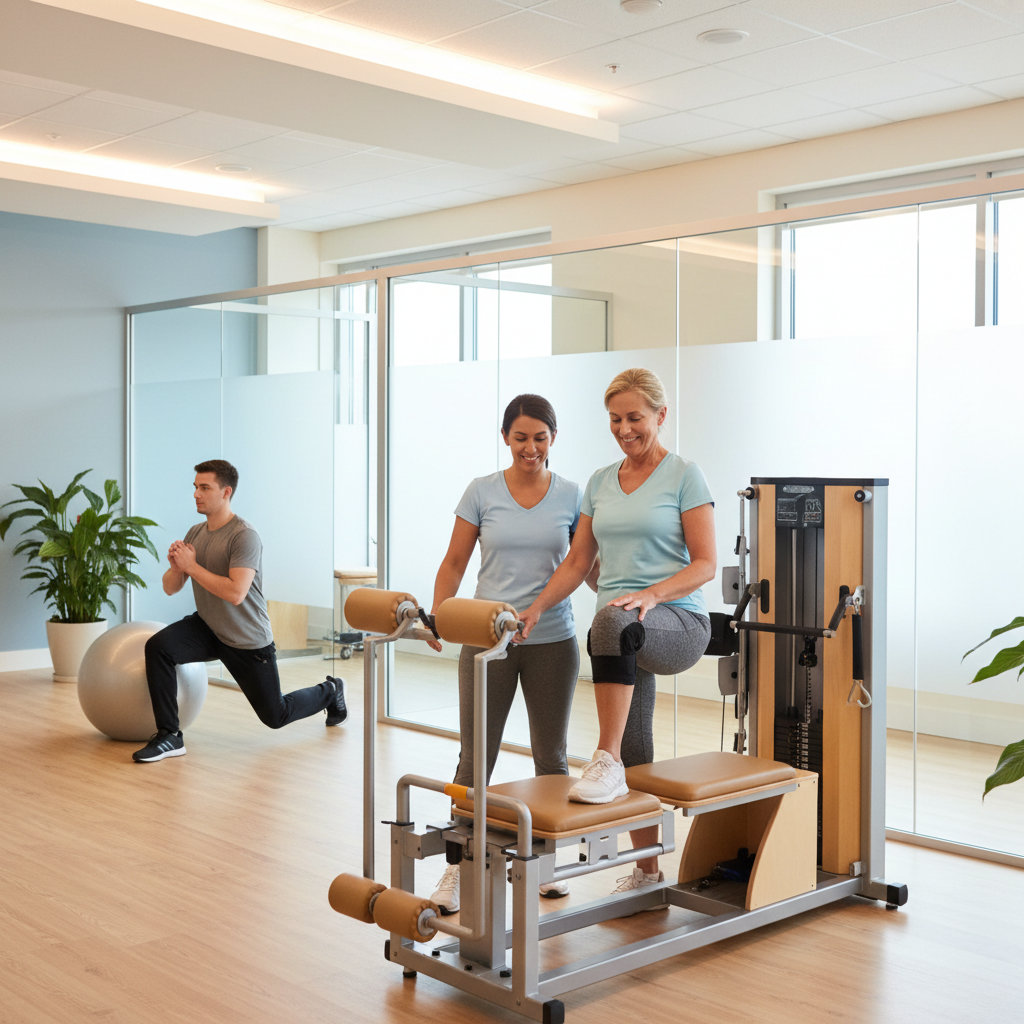
Muscles around the knee, such as the quadriceps, hamstrings, and glutes, often weaken due to disuse before surgery and are further affected by the procedure itself. Strengthening these muscles is critical for stability, support, and efficient movement of the new joint. 4. Improving Balance and Proprioception
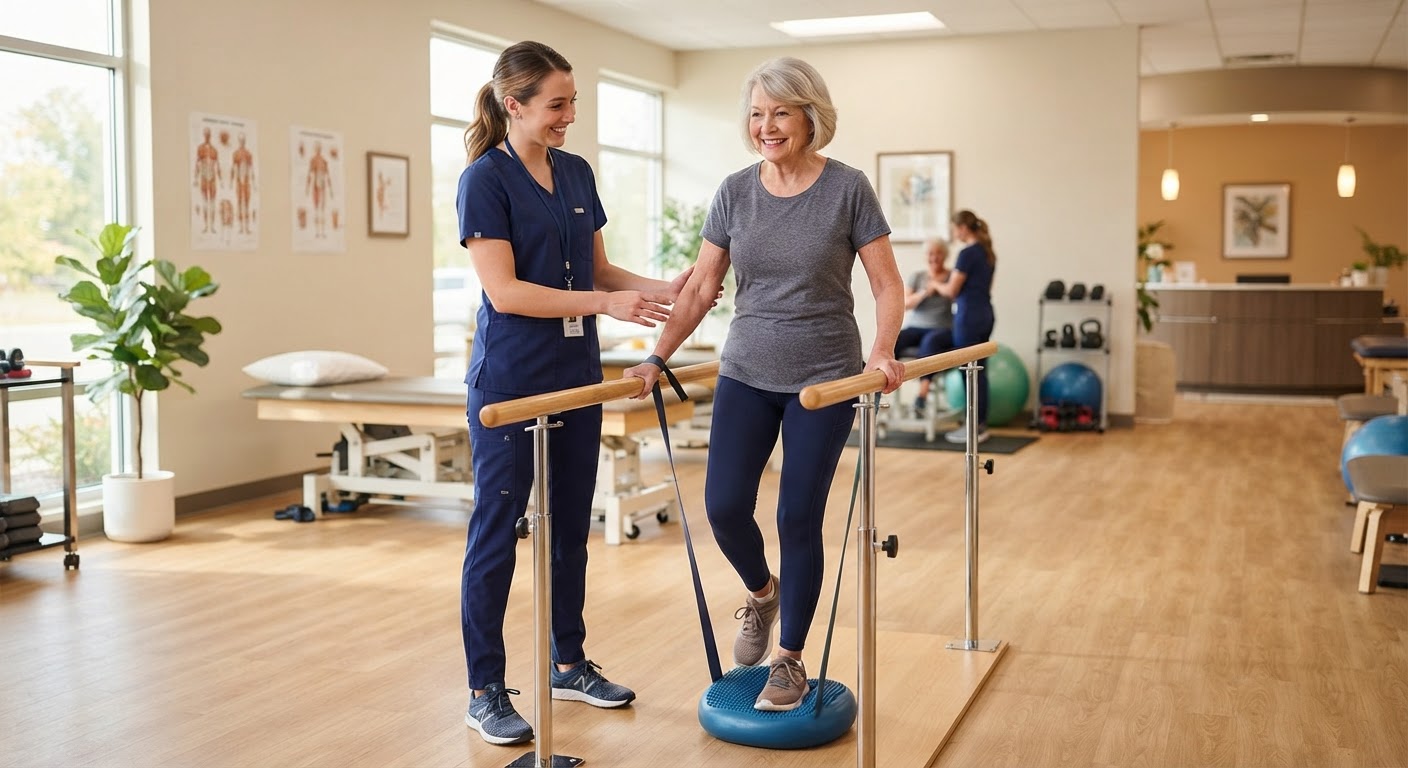
Surgery can affect your body's awareness of its position in space (proprioception) and your overall balance. Physical therapists incorporate exercises to improve balance, reducing the risk of falls, which can be particularly dangerous after knee surgery. 5. Gait Training and Functional Mobility
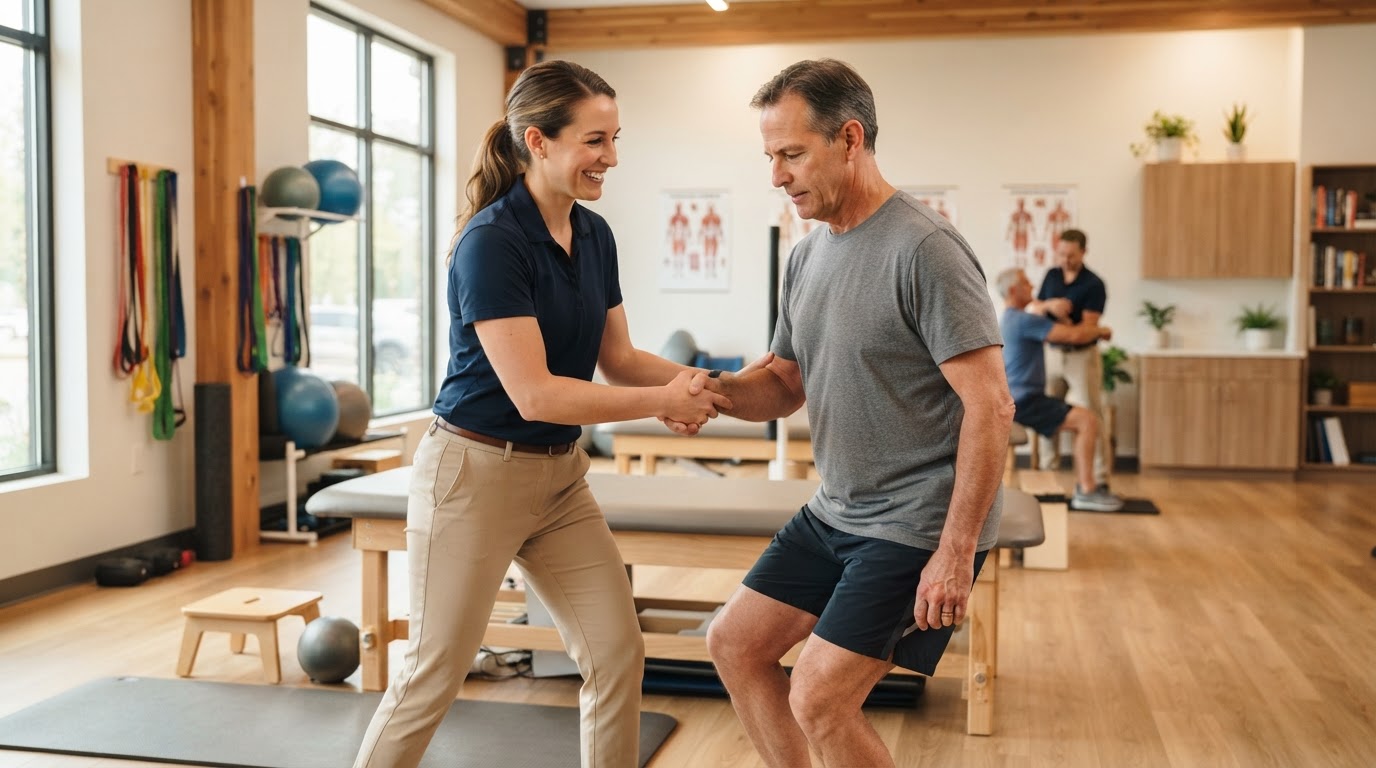
Relearning how to walk naturally and efficiently is a major focus. Your therapist will guide you through gait training, initially with assistive devices (walker, crutches) and progressively advancing to independent walking. They'll also help you practice functional movements like climbing stairs, getting out of a chair, and getting in and out of bed. 6. Preventing Complications
Regular movement and exercises help prevent common post-surgical complications such as deep vein thrombosis (DVT), pneumonia, and excessive scar tissue. What to Expect in Your Physical Therapy Journey
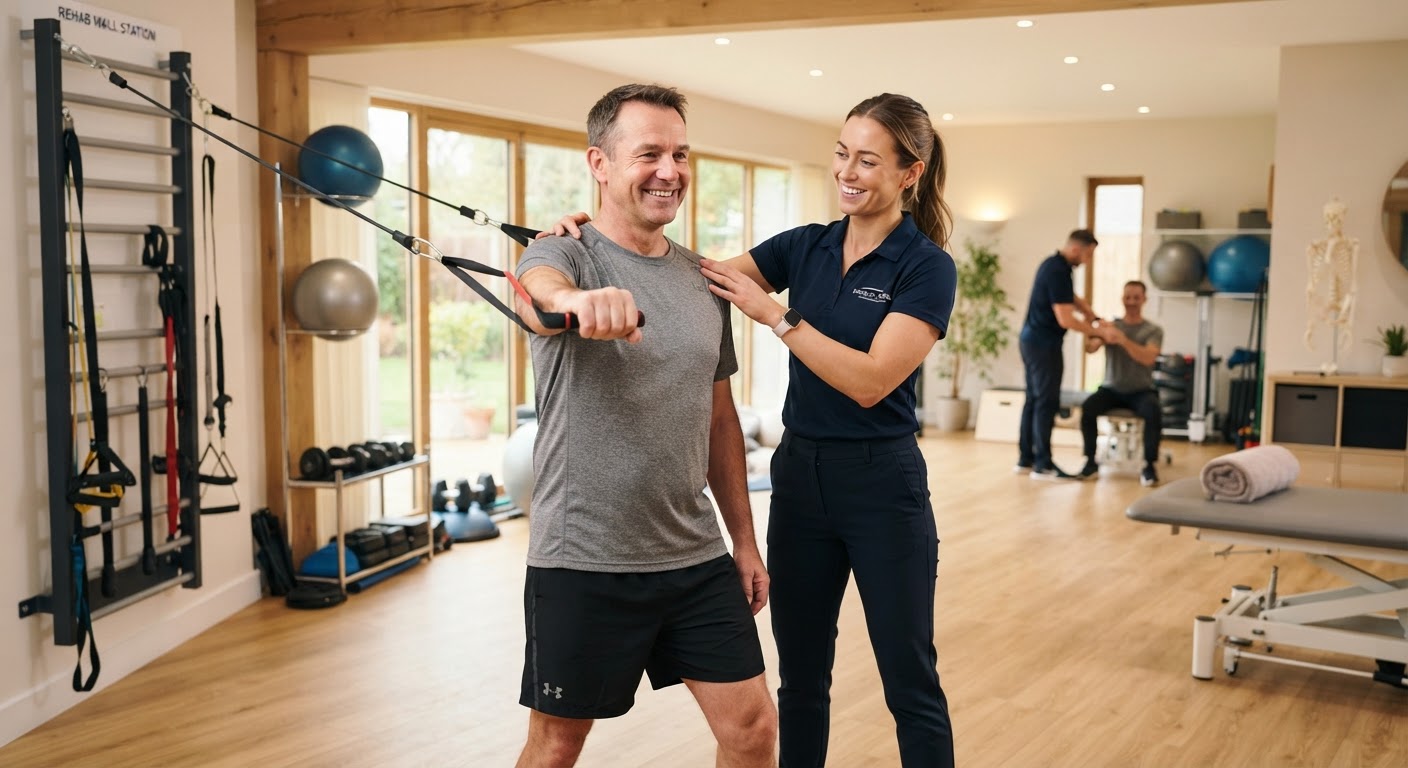
Your rehabilitation journey will typically begin very soon after surgery, sometimes even on the same day, while you are still in the hospital. This early mobilization is key to a faster recovery. Once discharged, you'll transition to outpatient physical therapy. Initial Phase (Weeks 1-6) • Focus: Pain and swelling management, gentle range of motion exercises, basic strengthening, and safe transfer techniques. • Activities: Quad sets, glute squeezes, ankle pumps, knee bends (often assisted), walking with an assistive device for short distances, and education on precautions. Intermediate Phase (Weeks 6-12) • Focus: Progressive strengthening, improving balance, increasing walking endurance, and enhancing functional mobility. • Activities: Stationary cycling, light weights, resistance bands, balance exercises (e.g., single-leg stance), stair climbing, and gradually reducing reliance on assistive devices. Advanced Phase (Weeks 12+) • Focus: Advanced strengthening, agility, return to higher-level activities, and long-term joint protection strategies. • Activities: Lunges, squats, sport-specific drills (if applicable), plyometrics (under guidance), and maintaining a home exercise program. Practical Tips for a Successful Recovery
To optimize your recovery, consider these actionable tips:
1. Adhere to Your Home Exercise Program (HEP): Consistency is paramount. Your therapist will provide exercises to do at home. Make them a part of your daily routine. 2. Manage Pain Proactively: Don't wait for pain to become unbearable. Use prescribed medications as directed and communicate your pain levels with your therapist and doctor. 3. Prioritize Rest: Your body needs time to heal. Ensure you're getting adequate sleep. 4. Nutrition and Hydration: Eat a balanced diet rich in protein for tissue repair and stay well-hydrated. 5. Listen to Your Body: While pushing yourself is necessary, distinguish between discomfort from exercise and sharp, sudden pain. Communicate any concerns immediately. 6. Avoid High-Impact Activities: Until cleared by your surgeon and therapist, avoid running, jumping, and contact sports. 7. Prepare Your Home: Remove tripping hazards, ensure good lighting, and consider assistive devices like grab bars if needed, especially in Hialeah, FL homes with multiple levels. Choosing the Right Partner in Recovery
Your choice of physical therapy clinic can significantly impact your recovery outcome. At Physical Therapy NOW™ at our Miramar location, we pride ourselves on: • Experienced Therapists: Our team specializes in orthopedic rehabilitation, including post-surgical knee replacement recovery. • Personalized Care: We create individualized treatment plans tailored to your specific needs, goals, and surgical protocol. • State-of-the-Art Facilities: Our clinic is equipped with the tools and technology to support your comprehensive rehabilitation. • Patient Education: We empower you with the knowledge and understanding to take an active role in your recovery and maintain long-term knee health. Take the First Step Towards a Pain-Free Life
Don't let knee pain hold you back any longer. If you're considering knee replacement surgery, or if you've recently undergone the procedure, Physical Therapy NOW™ is here to support you every step of the way. Our expert team in Miramar is ready to help you regain your independence and return to the activities you love. Ready to Reclaim Your Mobility?
Contact Physical Therapy NOW™ today to schedule your initial consultation at our Miramar location in Hialeah, FL. Call us now at [Insert Phone Number Here] or visit our website to book an appointment and start your journey to a stronger, more active life!
Ready to start feeling better?
Physical Therapy NOW™ has 40+ Florida locations with same-week appointments. Most insurance, auto accident (PIP), workers' compensation and Medicare accepted.