Total Knee Replacement Recovery: Your Essential Guide with Physical Therapy NOW™
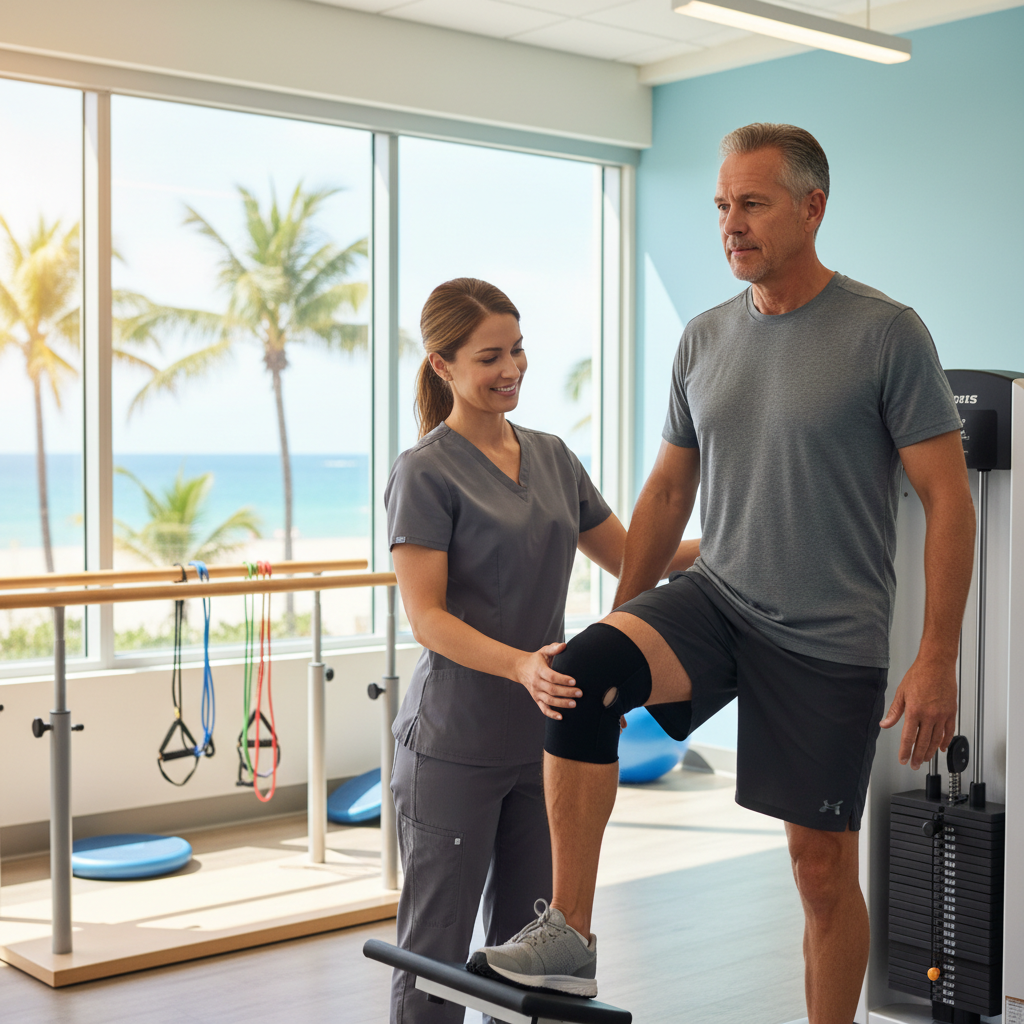
Undergoing a total knee replacement (TKR) is a significant step towards alleviating chronic knee pain and improving your quality of life. While the surgery itself is crucial, it's just the beginning of your journey back to full function. The real work—and often the most impactful part—begins with dedicated physical therapy. At Physical Therapy NOW™ in Miami Beach, FL, we specialize in guiding patients through every phase of their knee replacement recovery, ensuring a smoother, faster, and more complete return to the activities they love. Why Physical Therapy is Critical After a Total Knee Replacement
Many patients underestimate the role of physical therapy following a TKR. However, it is arguably the most vital component of your post-surgical success. Without consistent and targeted rehabilitation, even the most expertly performed surgery may not yield optimal results. Physical therapy helps you: • Regain Range of Motion: Immediately after surgery, your knee will feel stiff. PT helps gently and progressively restore the full bending and straightening capabilities of your new knee. • Strengthen Surrounding Muscles: Muscles around the knee (quadriceps, hamstrings, glutes, calves) often weaken before and after surgery. Strengthening these muscles is essential for stability, support, and proper mechanics. • Improve Balance and Proprioception: Your balance may be affected after surgery. Physical therapy includes exercises to enhance your balance and proprioception (your body's awareness of its position in space), reducing the risk of falls. • Reduce Pain and Swelling: Therapeutic exercises and modalities can help manage post-operative pain and decrease swelling, which can impede recovery. • Restore Functional Independence: From walking to climbing stairs, physical therapy systematically prepares you for daily activities, sports, and hobbies. • Prevent Complications: Early mobilization and adherence to a PT program can help prevent issues like scar tissue formation, muscle contractures, and blood clots. The Physical Therapy NOW™ Approach to TKR Rehabilitation
At Physical Therapy NOW™ at our Miami Beach location, we understand that every patient's recovery journey is unique. Our highly skilled physical therapists design personalized rehabilitation programs tailored to your specific needs, surgical protocol, and personal goals. Here’s what you can expect: Phase 1: Immediate Post-Operative (Hospital and Early Outpatient)
This phase typically begins within hours of your surgery. The focus is on early mobilization, pain management, and preventing complications. • Pain and Swelling Management: We use various techniques, including ice, gentle compression, and education on medication timing, to control discomfort. • Gentle Range of Motion (ROM) Exercises: Your therapist will guide you through passive and active-assisted exercises to start restoring knee flexion and extension. This often includes continuous passive motion (CPM) machines. • Early Strengthening: Isometric exercises (muscle contractions without joint movement) for the quadriceps and glutes are introduced to activate muscles without stressing the surgical site. • Transfers and Gait Training: Learning safe techniques for getting in and out of bed, a chair, and beginning to walk with assistive devices (walker, crutches) is paramount. We focus on proper weight-bearing and gait patterns. • Education: We empower you with knowledge about precautions, home exercise programs, and what to expect in the coming weeks. Phase 2: Intermediate Recovery (Weeks 3-6 Post-Op)
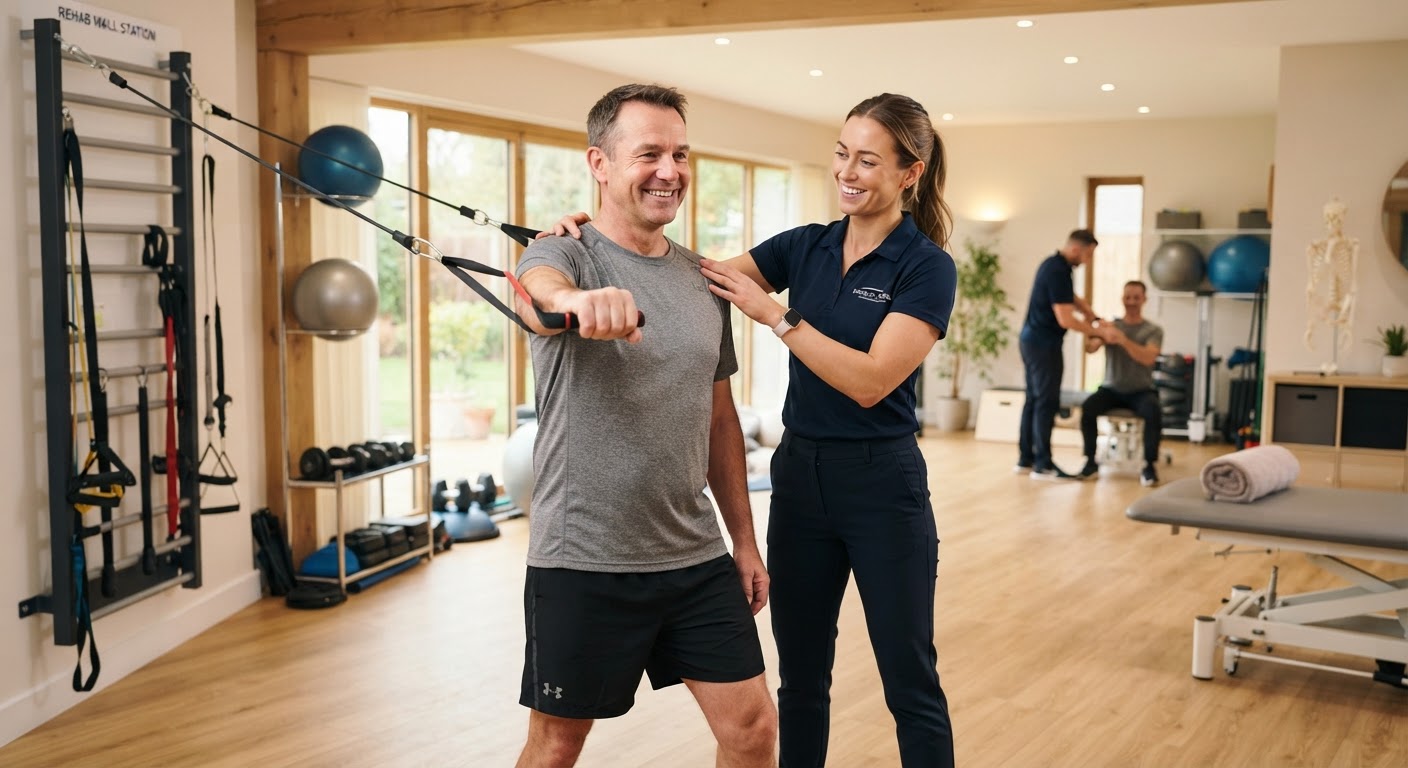
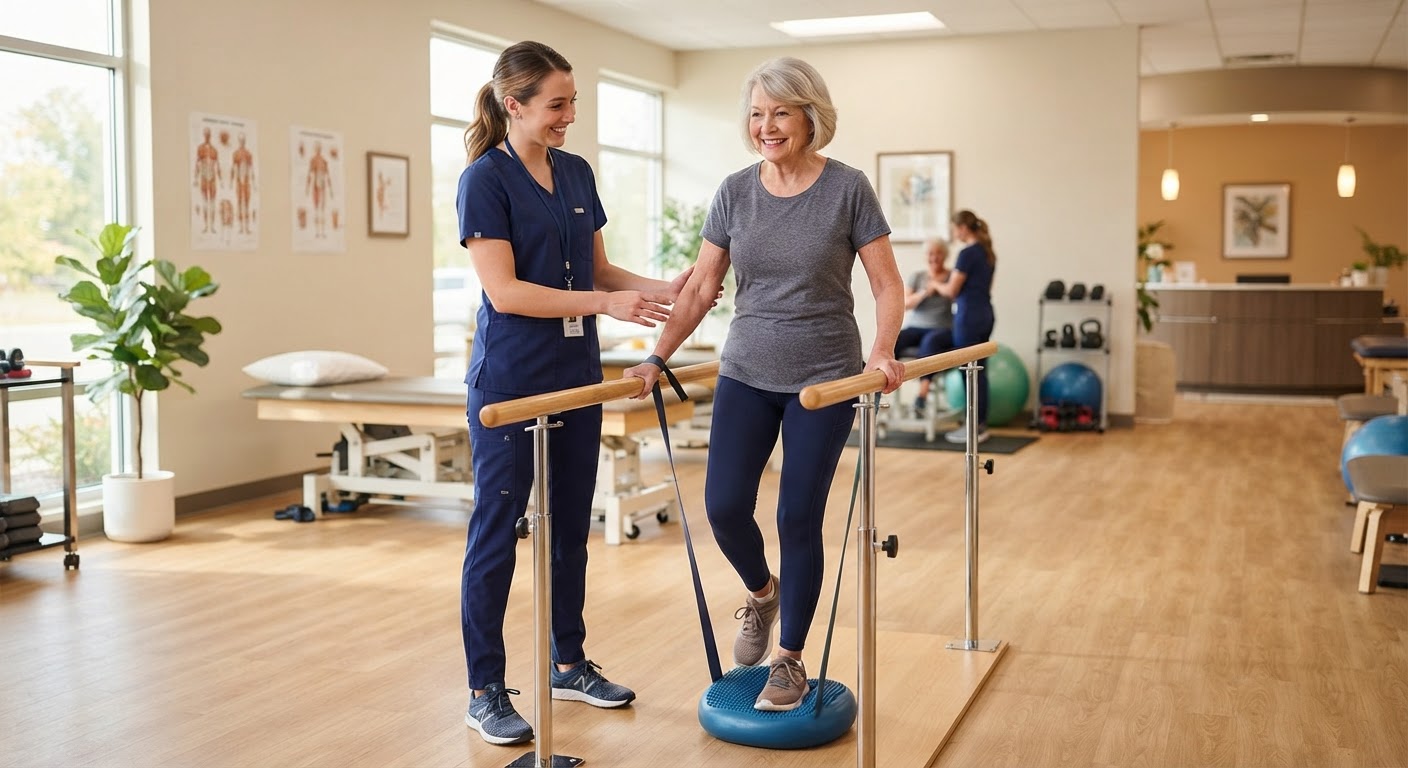
As your pain subsides and initial healing progresses, the intensity of your therapy increases. The goal is to further improve ROM, strength, and functional mobility. • Progressive Range of Motion: More aggressive stretching and exercises to achieve greater knee flexion (bending) and full extension (straightening). • Strength Training: Introducing light resistance exercises using bands, body weight, and eventually light weights for the quadriceps, hamstrings, hips, and calves. Examples include straight leg raises, knee bends, and mini-squats. • Balance and Proprioception Exercises: Standing balance activities, single-leg stance, and sensory integration exercises help improve stability. • Gait Re-education: Progressing from assistive devices to independent walking, focusing on a normalized walking pattern, stride length, and stair climbing. • Soft Tissue Mobilization: Manual techniques to address any scar tissue or muscle tightness that may hinder movement. Phase 3: Advanced Recovery and Return to Function (Weeks 7-12+ Post-Op)
This phase focuses on optimizing strength, endurance, and agility to prepare you for more demanding activities and a full return to your lifestyle. • Advanced Strengthening: Incorporating higher resistance, multi-joint exercises, and functional movements relevant to your daily life and hobbies. This might include lunges, squats, step-ups, and exercises using gym equipment. • Endurance Training: Low-impact cardiovascular activities like stationary biking, swimming, or elliptical use to improve stamina. • Sport-Specific or Activity-Specific Training: If your goal is to return to a particular sport or demanding hobby, your therapist will guide you through exercises that mimic those movements, ensuring your knee is ready. • Plyometrics and Agility (if appropriate): For some patients, light jumping or quick change-of-direction drills may be introduced under strict supervision. • Patient Education for Long-Term Maintenance: Providing you with a comprehensive home exercise program and strategies for protecting your new knee and maintaining your gains long-term. Practical Tips for Your Knee Replacement Recovery • Be Diligent with Your Home Exercises: Your prescribed exercises are crucial. Consistency is key to achieving optimal results. • Manage Your Pain Effectively: Don't let pain deter you from therapy. Communicate openly with your medical team and physical therapist about your pain levels. • Listen to Your Body: While pushing yourself is important, respect pain signals. Your therapist will help you distinguish between good soreness and harmful pain. • Maintain a Healthy Lifestyle: A balanced diet and adequate hydration support healing and energy levels for rehabilitation. • Wear Appropriate Footwear: Supportive, comfortable shoes are essential for stability and proper gait. • Stay Hydrated and Nourished: Proper nutrition aids in tissue repair and overall recovery. Partner with Physical Therapy NOW™ in Miami Beach, FL
Your total knee replacement journey is a marathon, not a sprint. With the expert guidance and unwavering support of the team at Physical Therapy NOW™, you can achieve remarkable outcomes. Our dedicated physical therapists are committed to helping you regain maximum strength, mobility, and independence, allowing you to enjoy a life free from chronic knee pain.
If you're preparing for a knee replacement or are already on the road to recovery, don't leave your success to chance. Let Physical Therapy NOW™ be your trusted partner. We are conveniently located in Miami Beach, FL, ready to provide the personalized care you deserve. Ready to Take Your Next Step Towards Recovery?
Don't let post-surgical uncertainty hold you back. Contact Physical Therapy NOW™ today to schedule your initial consultation. Our friendly team is here to answer your questions and help you embark on a successful knee replacement rehabilitation journey. Call us at [Insert Phone Number Here] or visit our Miami Beach location to learn more about how we can help you get back to living your best life!
Ready to start feeling better?
Physical Therapy NOW™ has 40+ Florida locations with same-week appointments. Most insurance, auto accident (PIP), workers' compensation and Medicare accepted.