Reclaiming Your Stride: The Essential Role of Physical Therapy in Knee Replacement Recovery
Knee pain can be debilitating, limiting your ability to enjoy daily activities, pursue hobbies, and even perform simple tasks like walking or climbing stairs. For many, a total knee replacement (TKR) surgery offers a life-changing solution, promising relief from chronic pain and a return to an active lifestyle. However, surgery is only one part of the journey. The true success of a knee replacement hinges significantly on a comprehensive and dedicated physical therapy program.
At Physical Therapy NOW™ in Bentonville, AR, we understand the complexities of knee rehabilitation. Our expert team is committed to guiding you through every step of your recovery, ensuring you regain strength, mobility, and confidence. This article will explore why physical therapy is not just beneficial, but absolutely essential for optimizing your outcomes after a knee replacement. Understanding Total Knee Replacement (TKR)
A total knee replacement is a surgical procedure where damaged bone and cartilage in the knee joint are removed and replaced with artificial components, typically made of metal alloys, high-grade plastics, and polymers. This procedure is usually recommended for individuals suffering from severe arthritis (osteoarthritis, rheumatoid arthritis, or post-traumatic arthritis) that has not responded to other conservative treatments.
The goal of TKR is to alleviate chronic knee pain, improve joint function, and enhance overall quality of life. While the surgery itself is a marvel of modern medicine, the new joint requires careful nurturing and targeted exercises to integrate effectively with your body and function optimally. Why Physical Therapy is Non-Negotiable After Knee Replacement Surgery
Many patients underestimate the critical role of physical therapy in their post-surgical recovery. It's not merely about 'getting back to normal'; it's about optimizing the function of your new joint and preventing potential complications. Here’s why physical therapy is paramount: 1. Pain Management and Swelling Reduction
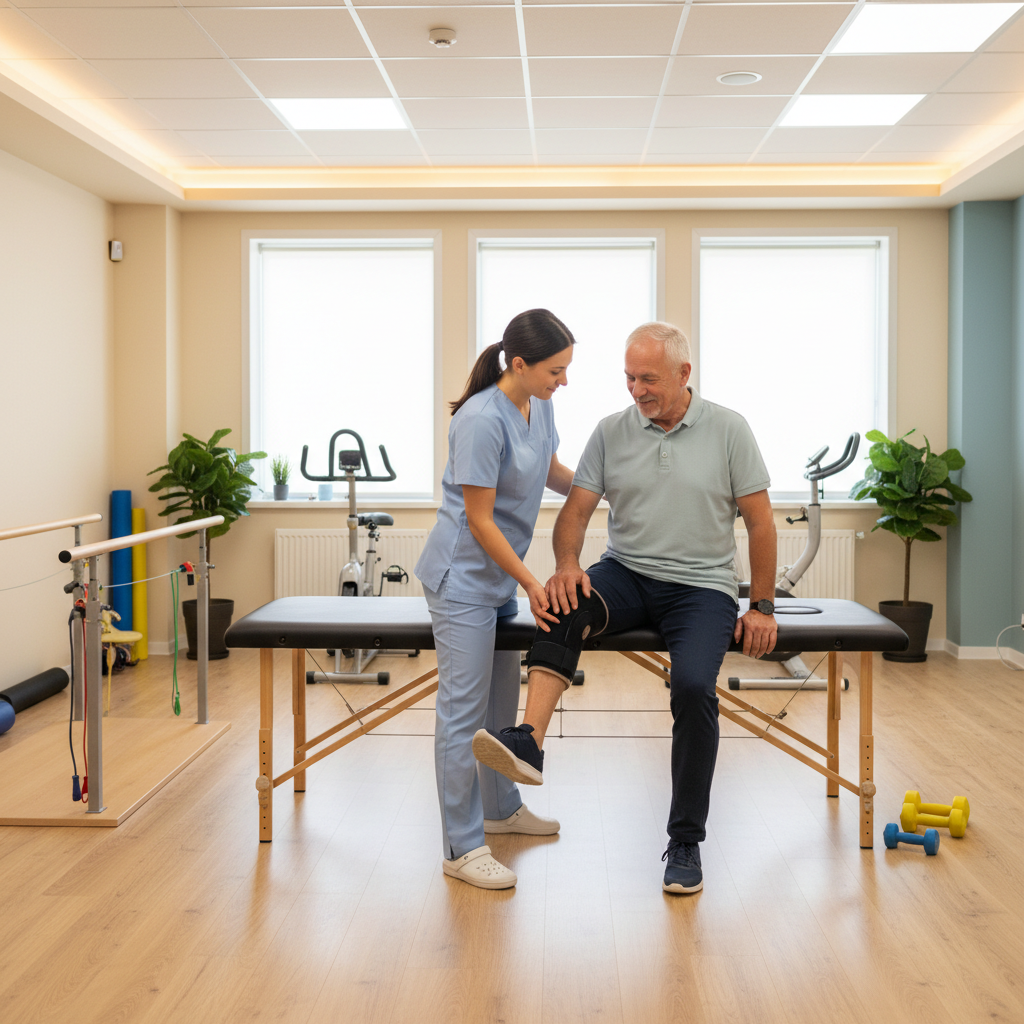
Immediately after surgery, you will experience pain and swelling. Physical therapists use various modalities, techniques, and exercises to manage pain, reduce inflammation, and improve circulation, which are vital for a comfortable and efficient recovery. Gentle movements initiated early can also help flush out excess fluid. 2. Restoring Range of Motion (ROM)
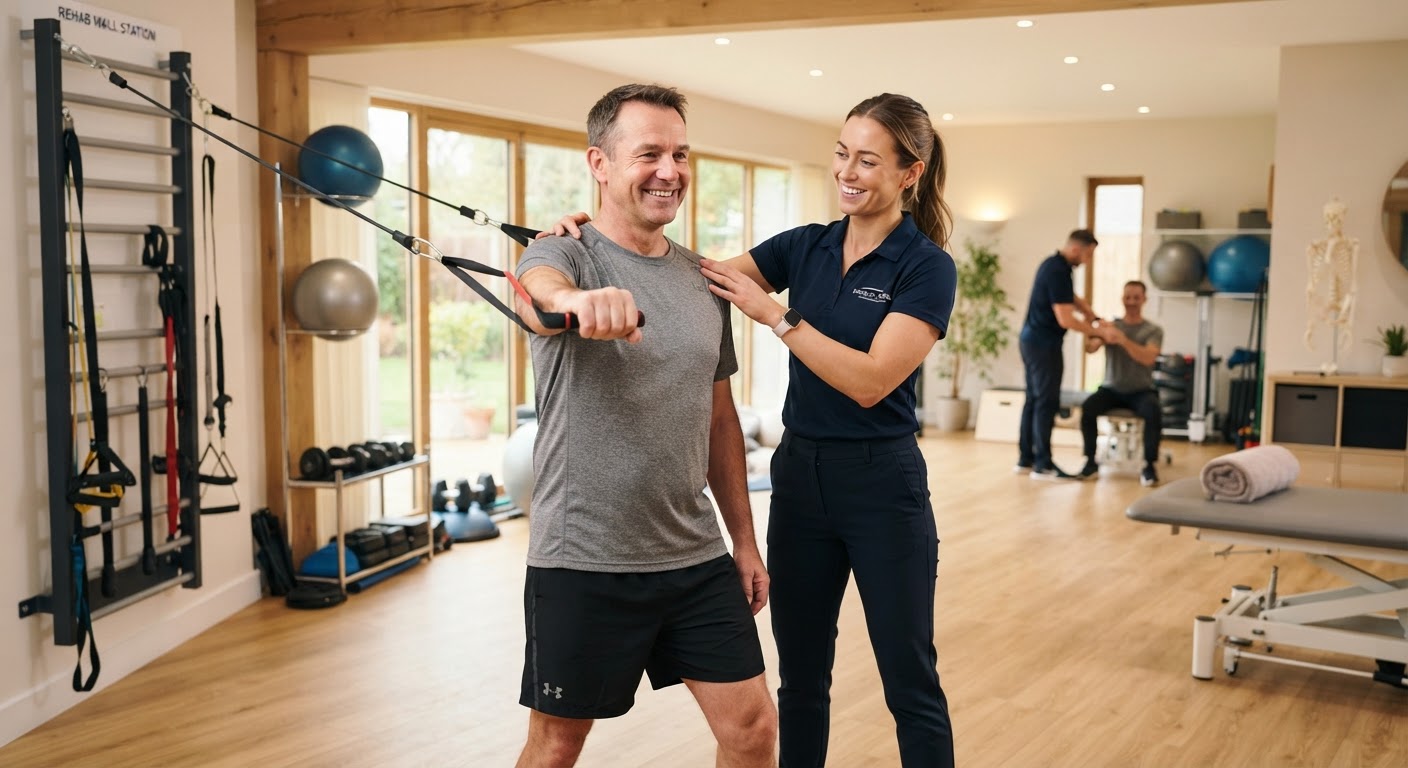
One of the primary goals after TKR is to regain full extension and flexion of the knee. Without consistent, guided exercises, scar tissue can limit your knee's movement, making it stiff and difficult to bend or straighten. Your physical therapist will work with you on specific stretches and exercises to improve your knee's range of motion, often beginning the very day of your surgery. 3. Building Strength and Stability
Muscles surrounding the knee often weaken due to disuse before surgery and are further impacted by the surgical procedure itself. Physical therapy focuses on strengthening the quadriceps, hamstrings, glutes, and calf muscles. Stronger muscles provide better support and stability for your new knee joint, reducing the risk of falls and improving your gait. 4. Improving Balance and Coordination
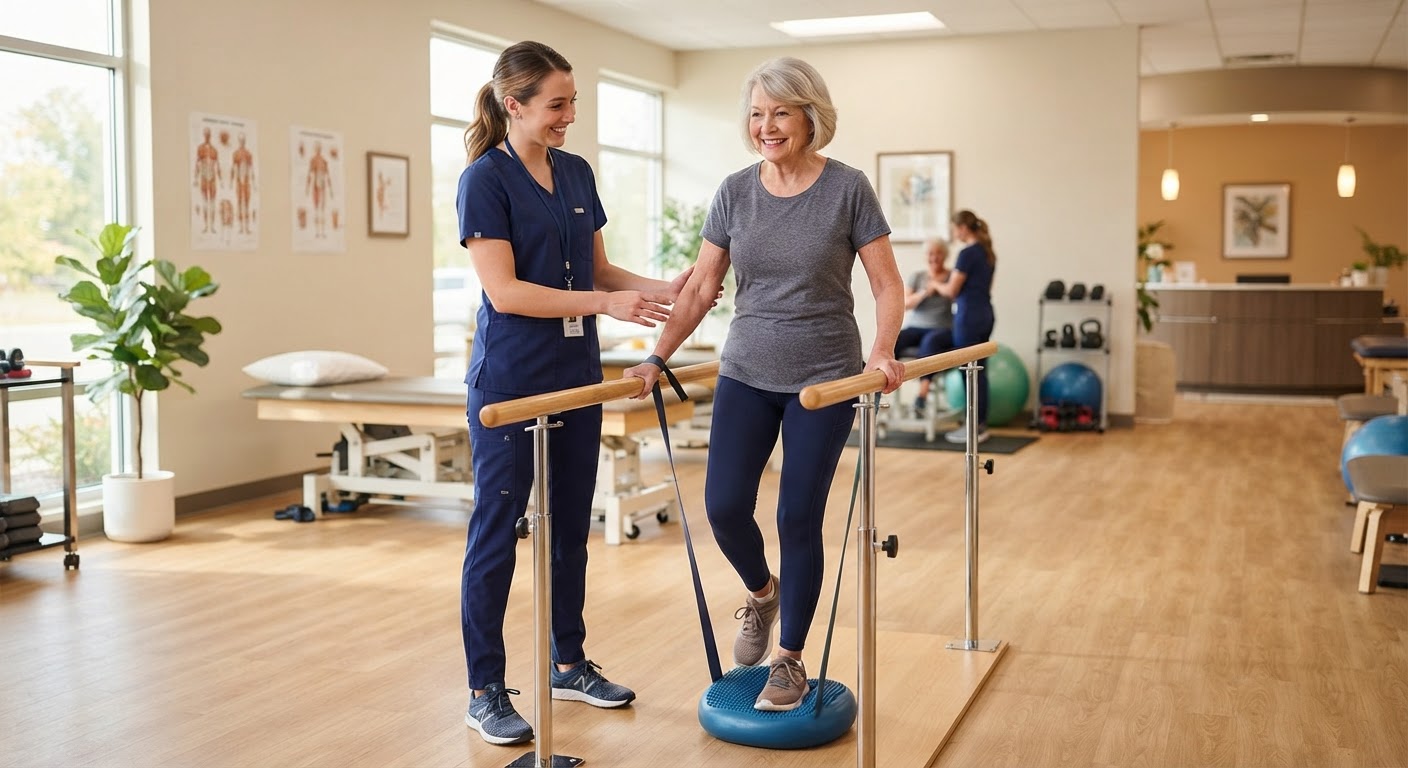
Changes in joint mechanics and muscle strength can affect your balance. Your therapist will incorporate exercises designed to challenge and improve your balance and coordination, which are essential for navigating daily activities safely and confidently. 5. Enhancing Functional Independence
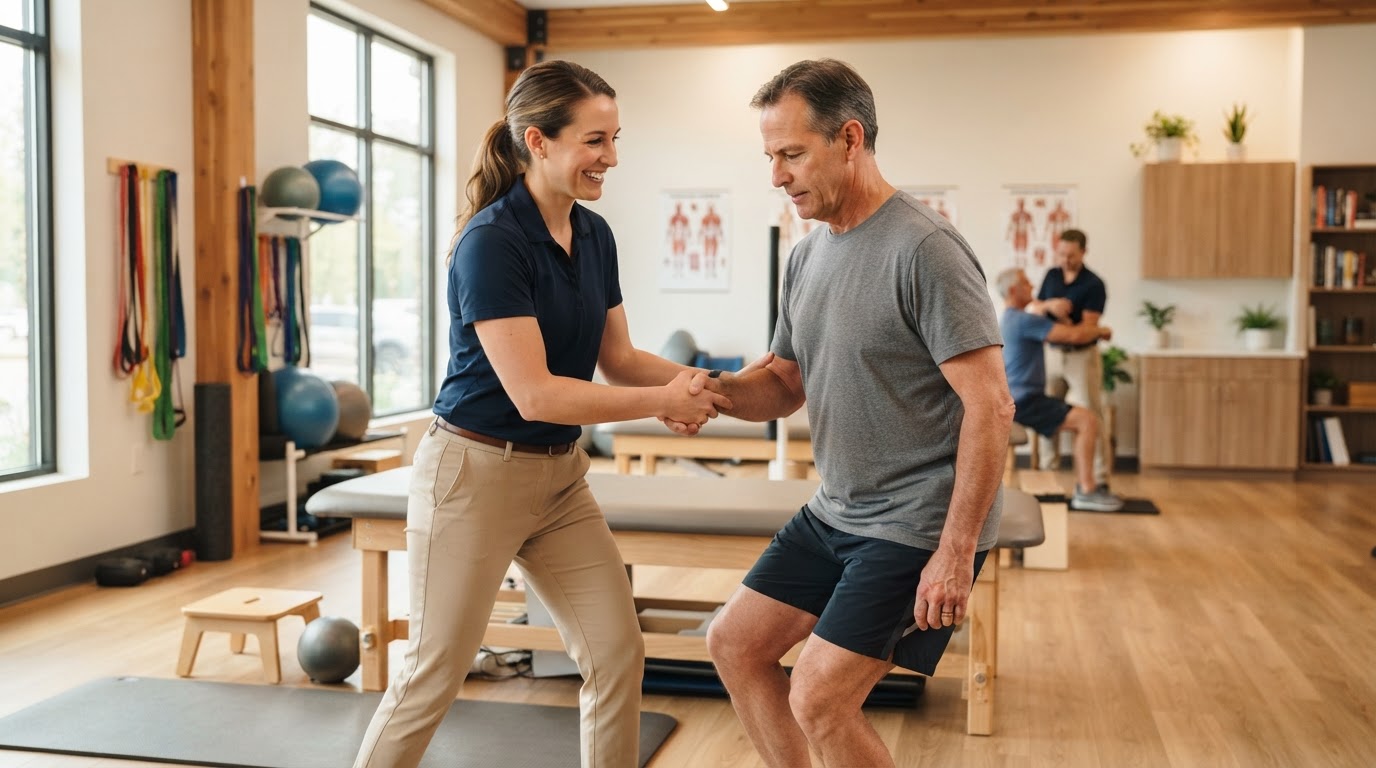
Ultimately, physical therapy aims to help you perform everyday tasks with ease. This includes walking, climbing stairs, getting in and out of chairs, and eventually returning to recreational activities. Our tailored programs at Physical Therapy NOW™ in Bentonville, AR, are designed to progressively challenge you, helping you reclaim your independence. 6. Preventing Complications
Early mobilization through physical therapy helps prevent complications such as deep vein thrombosis (DVT) and pulmonary embolism. It also educates you on proper body mechanics to protect your new joint from excessive stress or injury. Your Physical Therapy Journey: What to Expect
Your physical therapy program typically begins very soon after surgery, sometimes even within hours while you are still in the hospital. The journey continues with outpatient sessions and a home exercise program. Here's a general overview of what to expect: Immediate Post-Operative (Hospital Stay) • Early Mobilization: You'll likely be asked to sit up, stand, and take a few steps with assistance, often using a walker or crutches. This early movement is crucial. • Gentle Exercises: Your therapist will guide you through simple ankle pumps, knee bends, and straightening exercises to prevent stiffness and improve circulation. • Education: You'll learn how to get in and out of bed, use assistive devices, and protect your new joint. Early Outpatient Phase (Weeks 1-6) • Continued ROM Work: Focus on achieving greater knee extension and flexion through specific stretches and manual therapy. • Strength Training: Begin light exercises to activate and strengthen the muscles around your knee, such as quad sets, glute squeezes, and gentle leg raises. • Gait Training: Progress from assistive devices to walking independently, focusing on a normal walking pattern. • Pain and Swelling Management: Techniques like ice, elevation, and gentle massage to keep discomfort at bay. Intermediate Outpatient Phase (Weeks 6-12+) • Progressive Strengthening: Increase resistance and intensity of exercises for comprehensive muscle development. • Balance and Proprioception: Incorporate exercises on uneven surfaces, single-leg stands, and functional movements. • Stair Training: Practice safely ascending and descending stairs. • Functional Activities: Work on tasks specific to your daily life and hobbies. Advanced Outpatient Phase (Months 3+) • High-Level Strengthening: Focus on power and endurance for returning to more demanding activities. • Sport-Specific Training: For those returning to sports or intense hobbies, specialized exercises to prepare the knee for these demands. • Maintenance Program: Development of a long-term home exercise program to maintain your progress. Practical Tips for a Successful Recovery • Adhere to Your Home Exercise Program: Consistency is key. Your daily exercises are as important as your in-clinic sessions. • Manage Pain Effectively: Don't let pain deter you from therapy. Communicate openly with your medical team to find the right pain management strategy. • Listen to Your Body: While pushing yourself is necessary, overdoing it can cause setbacks. Learn to distinguish between muscle fatigue and pain that signals a problem. • Stay Hydrated and Eat Nutritiously: Proper nutrition supports healing and energy levels. • Wear Appropriate Footwear: Supportive, comfortable shoes are essential for balance and joint protection. • Modify Your Home Environment: Remove tripping hazards, ensure good lighting, and arrange frequently used items within easy reach. • Communicate with Your Therapist: Your physical therapist is your partner in recovery. Share your concerns, progress, and any discomfort you experience. Your Journey Starts at Physical Therapy NOW™
Embarking on a knee replacement journey requires dedication, but with the right guidance, a successful outcome is well within reach. At Physical Therapy NOW™ in Bentonville, we pride ourselves on providing personalized, evidence-based care. Our experienced physical therapists create customized treatment plans tailored to your specific needs, helping you regain maximum function and achieve your recovery goals.
Don't let knee pain dictate your life any longer. If you're considering knee replacement surgery or are already on the path to recovery, let our dedicated team at Physical Therapy NOW™ be your trusted partner. We're here to help you get back on your feet and back to living your life to the fullest. Ready to Take the Next Step?
If you're in the Bentonville, AR area and are looking for expert guidance for your knee replacement recovery, contact Physical Therapy NOW™ today. Our friendly team is ready to answer your questions and schedule your initial consultation. Call us or visit our Bentonville location to start your journey towards a stronger, pain-free future!
Ready to start feeling better?
Physical Therapy NOW™ has 40+ Florida locations with same-week appointments. Most insurance, auto accident (PIP), workers' compensation and Medicare accepted.