Navigating the journey of knee replacement surgery can feel overwhelming, but understanding the crucial role of physical therapy can empower you to achieve the best possible outcome. For those experiencing persistent knee pain in Hallandale Beach, FL, and considering surgical options, knowing what to expect during rehabilitation is key to a smooth and effective recovery.
Understanding Total Knee Replacement (TKR)
Total Knee Replacement, or total knee arthroplasty, is a common surgical procedure designed to alleviate severe knee pain and improve mobility. It involves replacing the damaged cartilage and bone in the knee joint with artificial components, typically made of metal alloys and high-grade plastics. This procedure is often recommended for individuals suffering from advanced arthritis, severe knee injuries, or other degenerative joint diseases where conservative treatments have failed. The goal is to restore function, reduce pain, and improve the overall quality of life.
Why Physical Therapy is Non-Negotiable for Knee Replacement Recovery
While the surgery itself is a critical step, it's truly just the beginning of your recovery. Physical therapy is not merely a suggestion; it is an indispensable component for regaining strength, flexibility, and function after a knee replacement. Without dedicated rehabilitation, patients risk developing stiffness, weakness, and persistent pain, which can compromise the success of the surgery.
Immediate Post-Operative Phase: The First Steps
Physical therapy often begins within hours or a day after surgery. Initially, the focus is on gentle exercises to prevent blood clots, reduce swelling, and begin restoring range of motion. Therapists will guide you through simple ankle pumps, quad sets, and knee bends. Early mobilization is crucial for reducing complications and accelerating the healing process. Patients are often encouraged to get out of bed and walk short distances with assistance, which can feel daunting but is vital for recovery.
Restoring Range of Motion and Strength
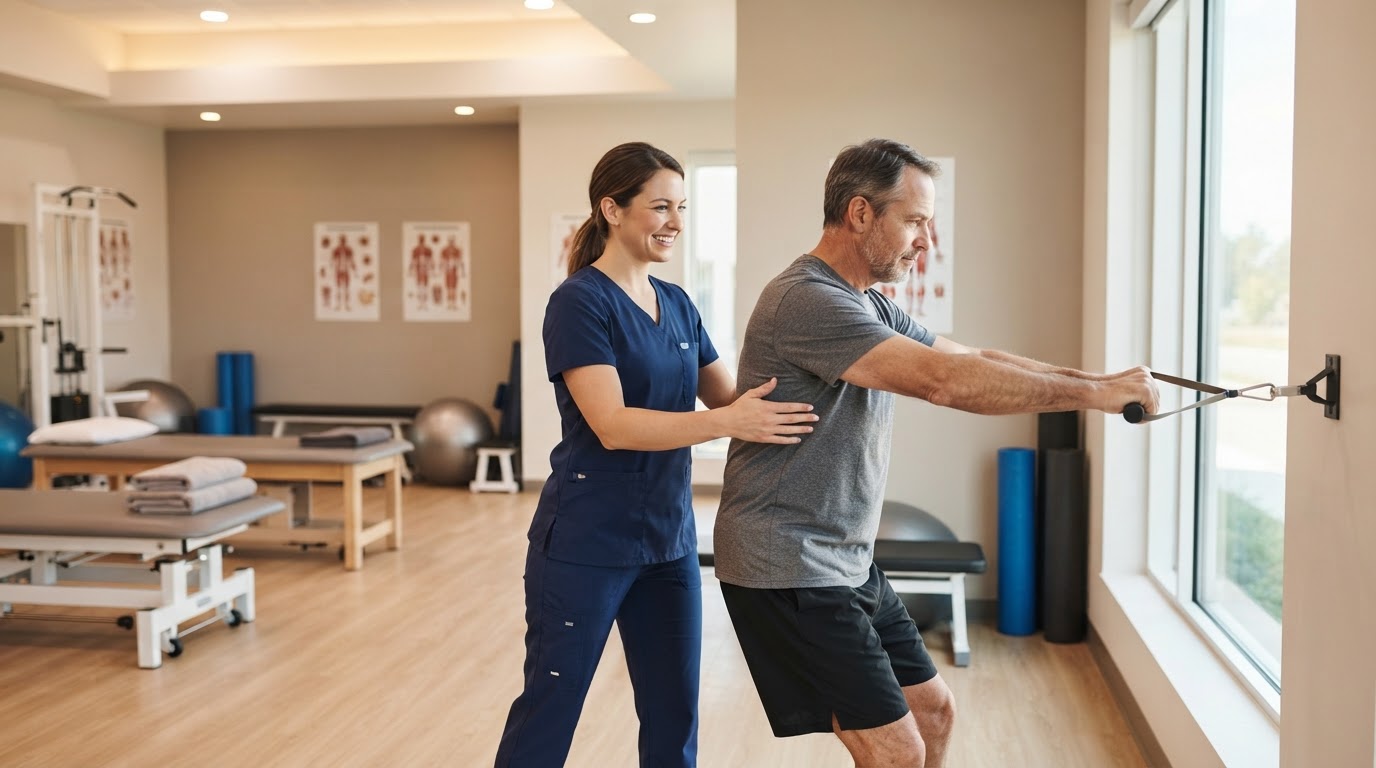
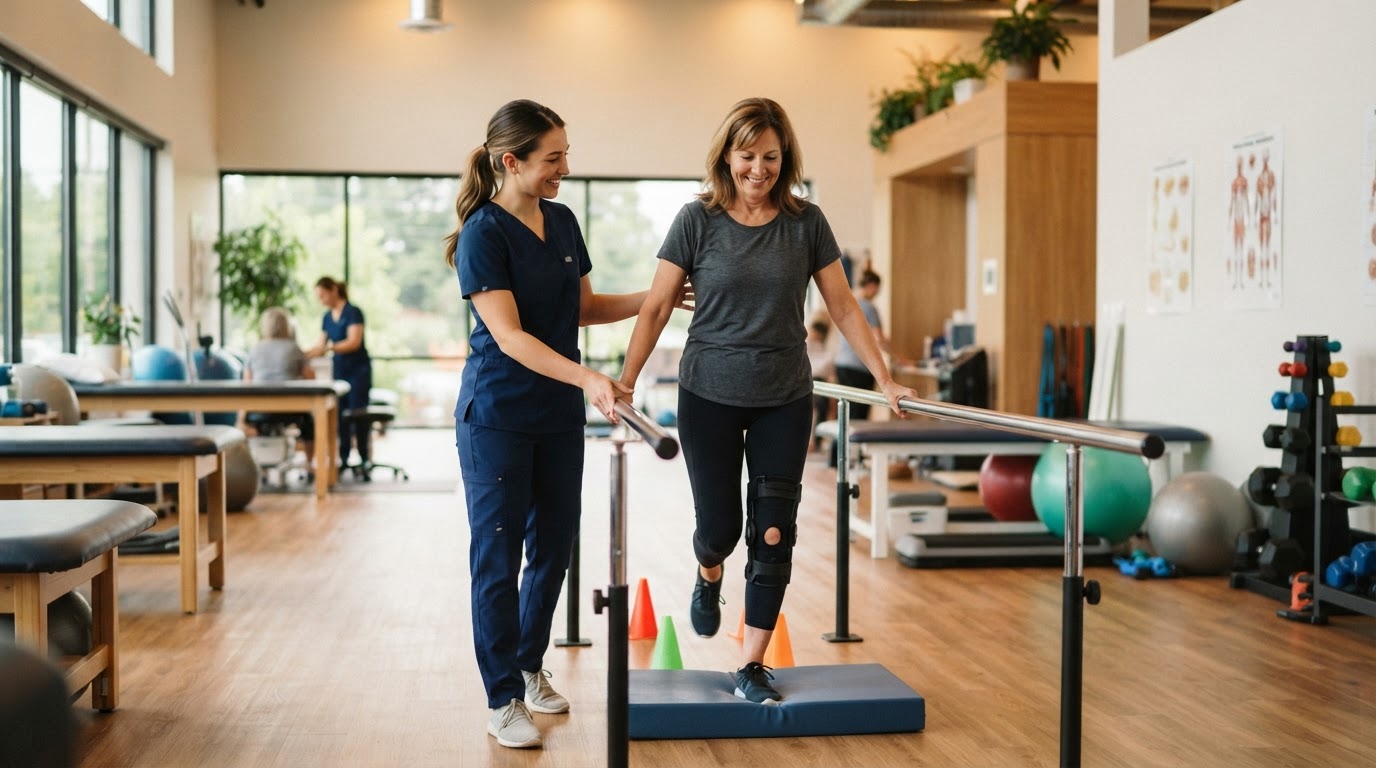
As healing progresses, physical therapy sessions at Physical Therapy NOW™ will intensify, focusing on regaining full range of motion and building strength around the new knee joint. This phase involves a variety of exercises: • Flexibility Exercises: Gentle stretches and passive movements help to increase the knee's ability to bend and straighten. • Strengthening Exercises: Activities targeting the quadriceps, hamstrings, and glutes are essential. These may include straight leg raises, knee extensions, hamstring curls, and squats. • Balance Training: Improving balance is critical to prevent falls and enhance stability, especially as you return to daily activities. • Gait Training: Re-learning how to walk properly, often with the aid of assistive devices initially, is a core component. Therapists will help you normalize your walking pattern and stride.
Managing Pain and Swelling
Throughout your recovery, managing pain and swelling is paramount. Your physical therapist will employ various techniques, including ice application, elevation, gentle massage, and therapeutic exercises, to alleviate discomfort and promote healing. They will also educate you on proper pain management strategies and how to differentiate between normal post-operative discomfort and signs that require medical attention.
Practical Tips for a Successful Recovery
1. Adhere to Your Program: Consistency is key. Follow your physical therapist's instructions diligently, both during sessions and with your home exercise program. 2. Communicate: Be open with your therapist about your pain levels, concerns, and progress. This allows them to adjust your treatment plan as needed. 3. Pace Yourself: Recovery is a marathon, not a sprint. Avoid overdoing it, especially in the early stages, to prevent setbacks. 4. Prepare Your Home: Remove tripping hazards, ensure good lighting, and arrange essential items within easy reach to make daily living safer and easier. 5. Stay Hydrated and Nourished: A healthy diet and adequate hydration support healing and energy levels. 6. Listen to Your Body: While it's important to push yourself gently, recognize when your body needs rest.
Life After Knee Replacement: Regaining Independence
With consistent physical therapy, most individuals experience significant improvements in pain relief and mobility following a knee replacement. The ultimate goal is to enable you to return to the activities you enjoy, whether it's walking, gardening, swimming, or simply navigating daily life without the constant burden of knee pain. Your dedicated team at Physical Therapy NOW™ in Hallandale Beach will guide you every step of the way, helping you regain independence and a higher quality of life.
Embark on Your Recovery Journey with Confidence
If you're facing a knee replacement or are already on your recovery path, remember that expert physical therapy can make all the difference. At Physical Therapy NOW™ in Hallandale Beach, FL, our experienced team is committed to providing personalized, evidence-based care to help you achieve your rehabilitation goals. Don't let knee pain limit your life any longer. We invite you to experience dedicated, compassionate care focused on your successful recovery.
Ready to take the next step towards a pain-free, active life? Contact Physical Therapy NOW™ today to schedule your consultation at our Hallandale location. Call us or visit our clinic to learn more about how we can support your journey to recovery.
Ready to start feeling better?
Physical Therapy NOW™ has 40+ Florida locations with same-week appointments. Most insurance, auto accident (PIP), workers' compensation and Medicare accepted.