Reclaim Your Mobility: The Vital Role of Physical Therapy After Total Knee Replacement
A total knee replacement (TKR), also known as total knee arthroplasty, is a highly effective surgical procedure that can dramatically reduce pain and improve the quality of life for individuals suffering from severe knee arthritis or injury. While the surgery itself is a critical step, it's just the beginning of your journey toward regaining full function. The true success of a knee replacement hinges significantly on diligent and personalized physical therapy. At Physical Therapy NOW™ in Cutler Bay, Miami, FL, we specialize in guiding patients through every stage of this transformative recovery process. Understanding Total Knee Replacement Surgery
During a total knee replacement, the damaged bone and cartilage from your thighbone (femur), shinbone (tibia), and kneecap (patella) are removed and replaced with prosthetic components made of metal alloys and high-grade plastics. This new joint is designed to mimic the natural movement of a healthy knee, alleviating pain and restoring mobility. While the mechanics of the new joint are in place, your body needs to learn how to move with it, strengthen the surrounding muscles, and re-establish normal movement patterns. This is where the expertise of a physical therapist becomes invaluable. Why Physical Therapy is Indispensable for TKR Recovery
Many patients underestimate the importance of physical therapy after a knee replacement, viewing it as an optional extra. In reality, it's a non-negotiable component of a successful outcome. Without proper rehabilitation, you risk developing complications such as stiffness, weakness, persistent pain, and limited range of motion, potentially compromising the long-term success of your surgery. Early Mobilization and Pain Management
Physical therapy often begins within hours or a day after surgery, even while you are still in the hospital. The initial goals are to manage pain and swelling, prevent blood clots, and encourage early, gentle knee movement. Your therapist at Physical Therapy NOW™ will teach you simple exercises that can be performed in bed, focusing on ankle pumps, quad sets, and gluteal squeezes. These early movements are crucial for preventing stiffness and promoting circulation. Regaining Range of Motion
One of the primary challenges after TKR is regaining full knee extension (straightening) and flexion (bending). Scar tissue can form quickly, leading to a stiff joint if not addressed promptly. Your physical therapist will employ a variety of techniques to improve your range of motion, including passive stretching (where the therapist moves your leg), active-assisted exercises (where you help move your leg), and eventually active exercises. Consistency with your home exercise program, as instructed by your therapist, is paramount during this phase. Strengthening Key Muscle Groups
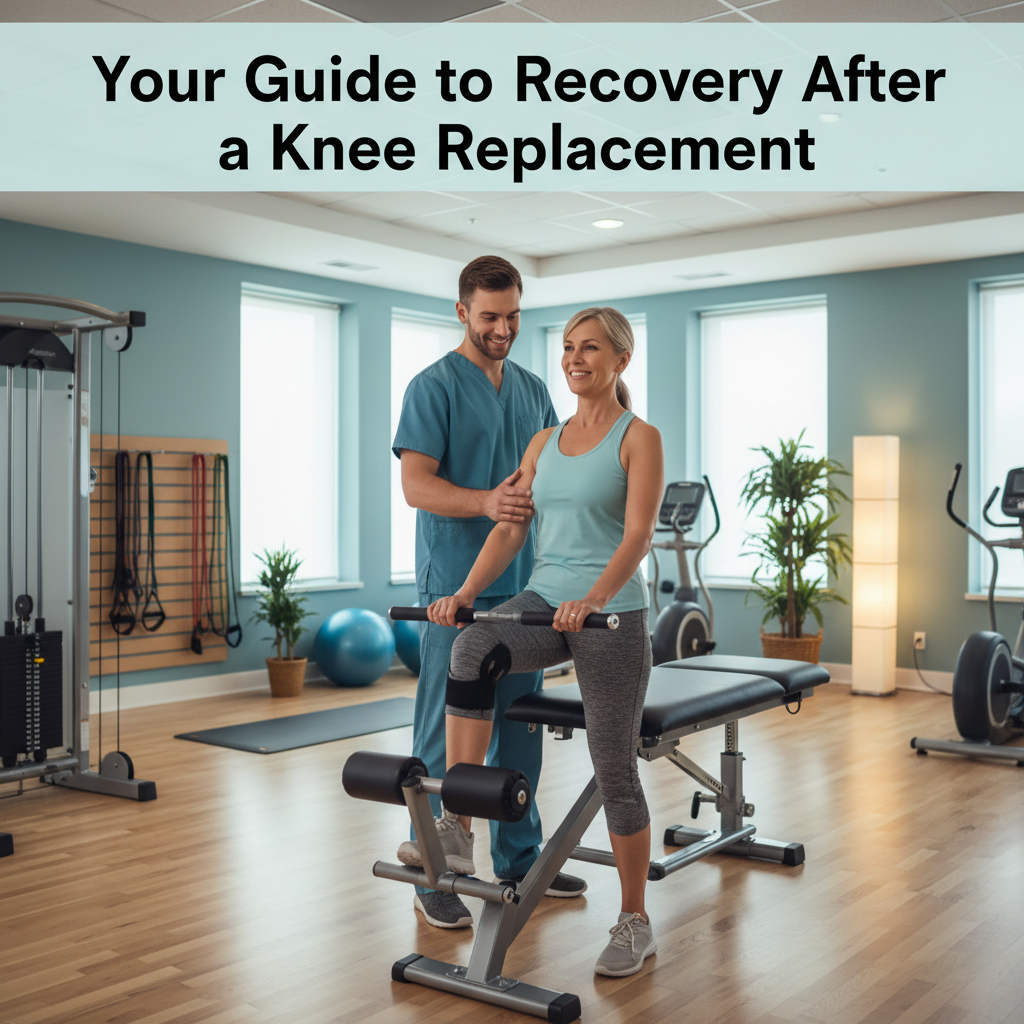
The muscles surrounding your knee, particularly the quadriceps, hamstrings, and glutes, will likely be weak after surgery due to inactivity and the surgical trauma itself. Weakness in these muscles can lead to instability, difficulty with walking, and an increased risk of falls. Your physical therapist will design a progressive strengthening program tailored to your individual needs and progress. This will include exercises such as straight leg raises, knee bends, heel slides, wall slides, and later, exercises with resistance bands or light weights. Improving Balance and Proprioception
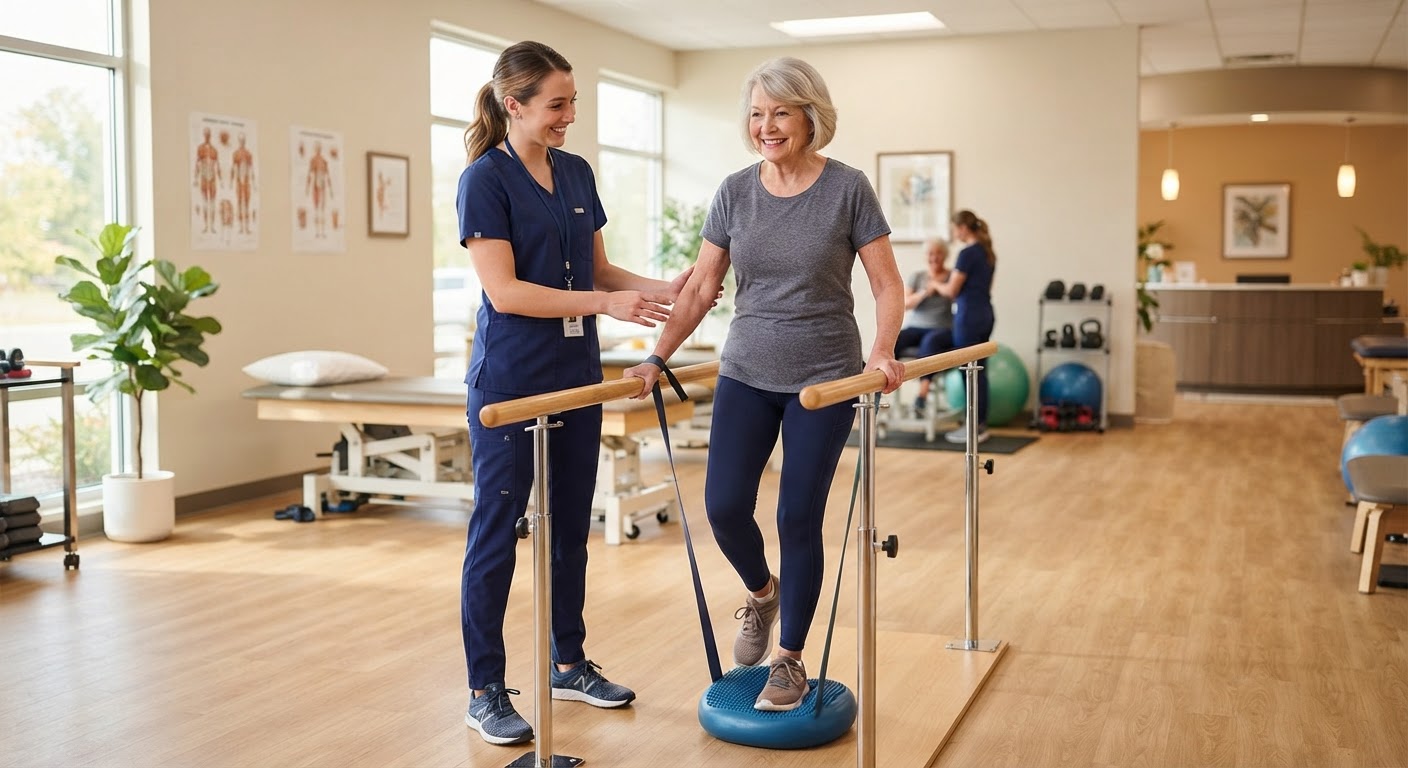
Total knee replacement can also affect your balance and proprioception – your body's ability to sense its position in space. This is due to changes in joint receptors and muscle patterns. Balance exercises, starting with supported standing and progressing to more challenging activities like single-leg standing or walking on uneven surfaces, are vital for reducing the risk of falls and improving your confidence in movement. Our therapists at Physical Therapy NOW™ will guide you through these exercises safely and effectively. Restoring Functional Mobility
Ultimately, the goal of physical therapy is to help you return to your daily activities and enjoy life without pain. This involves working on functional movements that mimic everyday tasks, such as: • Walking: Starting with a walker or crutches and gradually progressing to independent walking. • Stair climbing: Learning the proper technique to ascend and descend stairs safely. • Getting in and out of chairs or bed: Practicing smooth and controlled transitions. • Bending and reaching: Re-learning how to perform these movements without excessive strain on your new knee.
Your therapist will provide guidance on proper body mechanics and adaptive techniques to ensure you perform these tasks safely and efficiently. Practical Tips for a Successful TKR Recovery
1. Adhere to Your Home Exercise Program: This is arguably the most critical aspect of your recovery. Performing your prescribed exercises regularly, even on days you don't have therapy, makes a significant difference. 2. Manage Pain Effectively: Work with your doctor and therapist to manage pain, as uncontrolled pain can hinder your ability to participate in therapy and perform exercises. 3. Use Assistive Devices as Instructed: Don't rush to abandon your walker or crutches. They provide crucial support and stability during the initial weeks of recovery. 4. Elevate and Ice Regularly: To reduce swelling, elevate your leg and apply ice packs for 15-20 minutes several times a day. 5. Maintain a Healthy Diet: Good nutrition supports healing and provides the energy needed for rehabilitation. 6. Stay Hydrated: Water is essential for all bodily functions, including tissue repair. 7. Be Patient and Consistent: Recovery is a marathon, not a sprint. There will be good days and challenging days. Consistency and patience are key. 8. Communicate with Your Therapist: If you experience increased pain, unusual swelling, or have questions, don't hesitate to contact your physical therapist at Physical Therapy NOW™ in Cutler Bay. What to Expect at Physical Therapy NOW™
When you choose Physical Therapy NOW™ for your post-TKR rehabilitation, you can expect a comprehensive and individualized approach. Our experienced physical therapists will conduct a thorough initial evaluation to assess your current range of motion, strength, pain levels, and functional limitations. Based on this assessment, we will develop a personalized treatment plan that evolves with your progress.
Our clinic in Cutler Bay, Miami, FL, is equipped with state-of-the-art facilities and a compassionate team dedicated to helping you achieve the best possible outcome. We use evidence-based techniques and provide continuous support and encouragement throughout your recovery journey. We understand that a total knee replacement is a significant life event, and we are committed to helping you regain your independence and return to the activities you love. Take the Next Step Towards a Pain-Free Life
Recovering from a total knee replacement is a significant undertaking, but with the right guidance and dedication, you can achieve remarkable results. Physical therapy plays an indispensable role in ensuring you regain optimal function, reduce pain, and enjoy the long-term benefits of your surgery. Don't leave your recovery to chance.
Ready to reclaim your mobility and get back to living life to the fullest? Contact Physical Therapy NOW™ at our Cutler Bay location today to schedule your initial consultation. Our dedicated team is here to support you every step of the way towards a successful recovery.
Call us now at [Insert Phone Number Here] or visit our clinic at [Insert Address Here] in Miami, FL. Let us help you move better, feel better, and live better!
Ready to start feeling better?
Physical Therapy NOW™ has 40+ Florida locations with same-week appointments. Most insurance, auto accident (PIP), workers' compensation and Medicare accepted.