How a Physical Therapist Helps with Total Knee Replacements: Your Path to Recovery
Undergoing a total knee replacement surgery is a significant step towards alleviating chronic knee pain and improving your quality of life. While the surgery itself is crucial, it's just the beginning of your journey. The real work of regaining independence, strength, and mobility begins with comprehensive physical therapy. At Physical Therapy NOW™ in Miami, FL, specifically our Country Walk location, we specialize in guiding patients through every phase of their knee replacement recovery. Understanding Total Knee Replacement
A total knee replacement, or total knee arthroplasty, is a surgical procedure in which damaged bone and cartilage are removed from the surface of the knee joint and replaced with artificial components. This procedure is typically recommended for individuals suffering from severe knee pain and disability caused by arthritis or injury, when conservative treatments have failed. While the new joint is designed to function smoothly, the surrounding muscles, ligaments, and tissues need to be retrained and strengthened to support it effectively. The Critical Role of Physical Therapy
Physical therapy is not just a recommendation after a total knee replacement; it's a non-negotiable component of a successful recovery. Without dedicated rehabilitation, patients risk developing stiffness, weakness, and limited range of motion, which can significantly hinder their overall outcome and satisfaction with the surgery.
At Physical Therapy NOW™, our licensed physical therapists work closely with your surgeon to develop a personalized rehabilitation plan tailored to your specific needs and recovery timeline. This plan begins almost immediately after surgery, often within 24-48 hours, and progresses through several crucial phases. Phase 1: Early Post-Operative Rehabilitation (In-Hospital and Initial Outpatient)
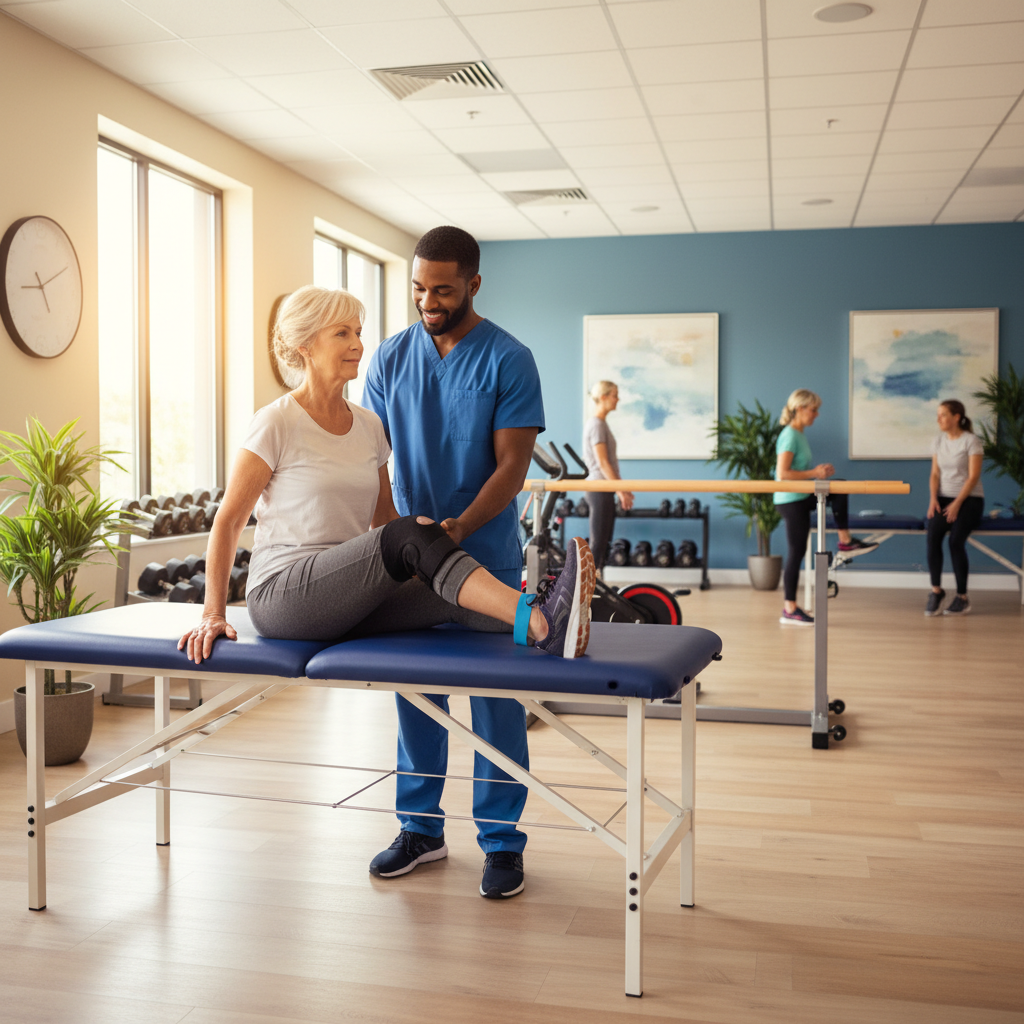
The initial phase focuses on pain management, preventing complications, and restoring basic movement. Your therapist will help you: • Manage Pain and Swelling: Using techniques such as ice, elevation, and gentle motion to reduce discomfort and inflammation. • Initiate Early Motion: Gentle exercises to improve knee extension (straightening) and flexion (bending) are crucial to prevent stiffness and scar tissue formation. • Restore Basic Mobility: Learning how to safely get in and out of bed, sit, stand, and walk with assistive devices like a walker or crutches. • Strengthening Fundamentals: Isometric exercises (muscle contractions without joint movement) to begin reactivating the quadriceps and hamstring muscles. Phase 2: Progressive Strengthening and Range of Motion
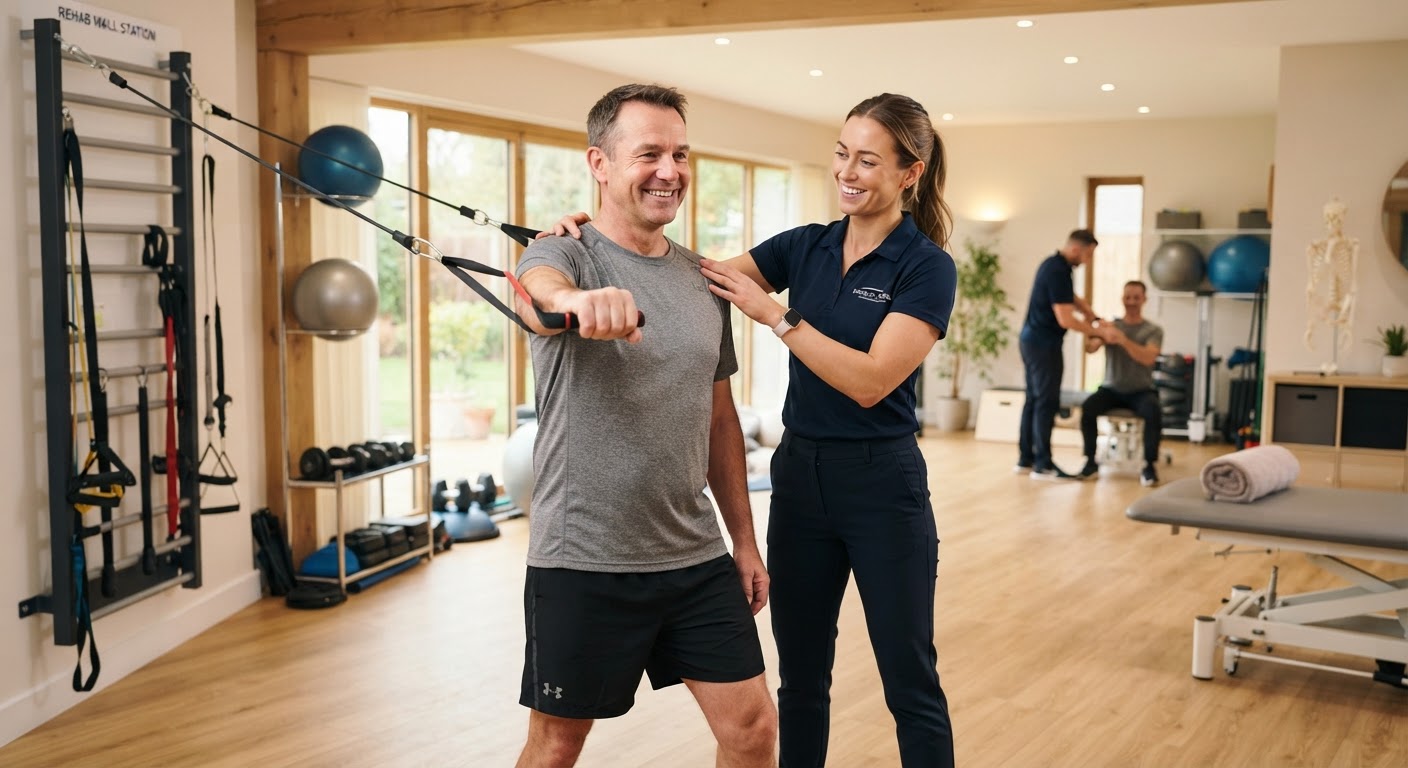
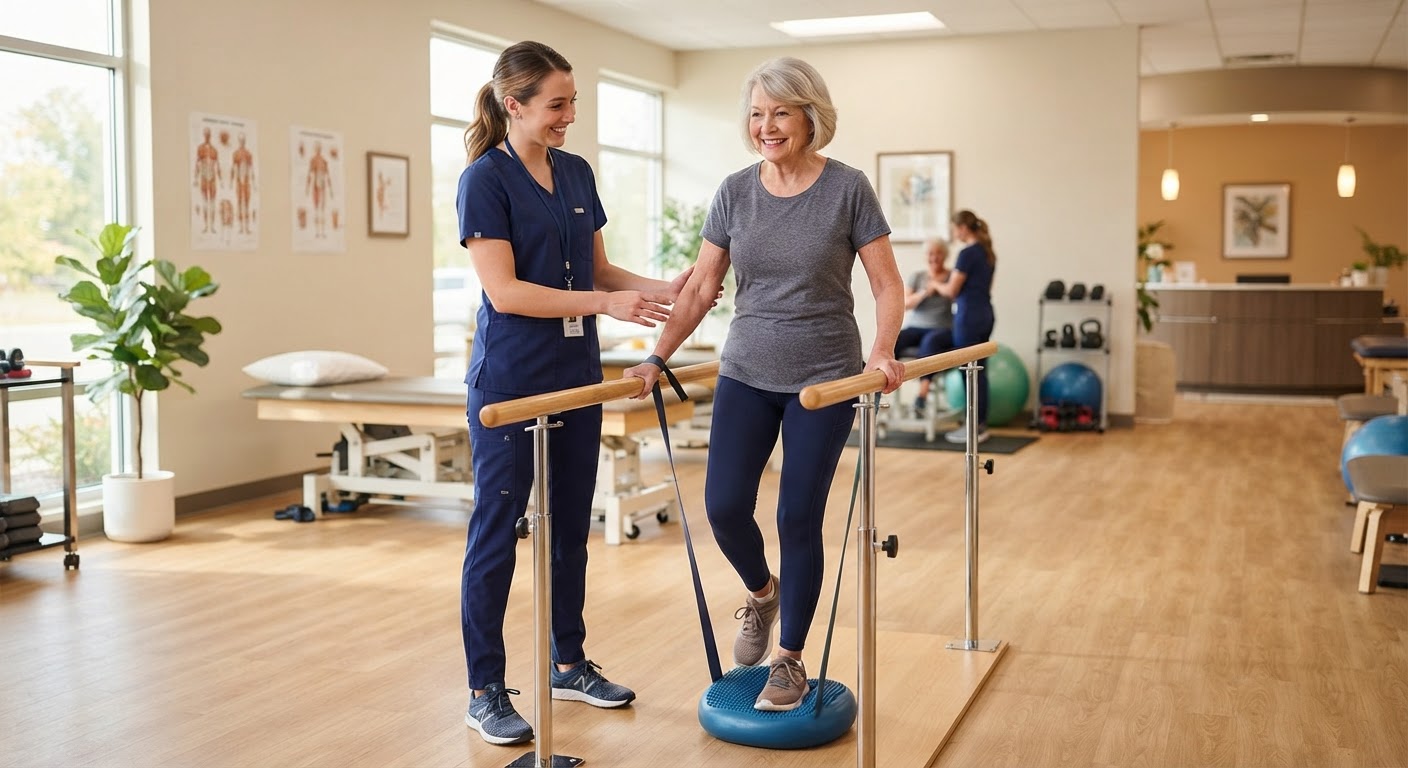
As you progress and your pain subsides, the focus shifts to more intensive strengthening and improving the knee's range of motion. This phase typically begins a few weeks post-surgery and might include: • Advanced Range of Motion Exercises: Techniques to increase knee flexion and extension, such as heel slides, wall slides, and stationary bike use. • Progressive Strengthening: Incorporating exercises like straight leg raises, mini-squats, leg presses, and step-ups to rebuild strength in the quadriceps, hamstrings, and glutes. • Balance and Proprioception Training: Exercises to improve your balance and the body's awareness of its position in space, which is vital for preventing falls. • Gait Training: Refined instruction on walking naturally and confidently without assistive devices. Phase 3: Functional Rehabilitation and Return to Activities
This final phase aims to prepare you for a full return to daily activities, work, and even light recreational sports. Your therapist at our Miami, FL Country Walk clinic will guide you through: • Activity-Specific Training: Tailored exercises that mimic movements required for your hobbies or job, such as climbing stairs, gardening, or walking long distances. • Endurance Training: Building stamina to perform activities for longer periods without fatigue. • Advanced Balance and Agility Drills: If appropriate, exercises to improve quick changes in direction and dynamic balance. • Patient Education: Providing strategies for long-term joint protection, exercise progression, and maintaining a healthy lifestyle to optimize the longevity of your new knee. Practical Tips for Your Recovery Journey • Adhere to Your Exercise Program: Consistency is key. Performing your prescribed exercises daily, even on days you don't have therapy, is vital for optimal recovery. • Listen to Your Body: While pushing yourself is necessary, it's also important to recognize the difference between discomfort and pain that indicates you're overdoing it. Communicate any concerns with your therapist. • Maintain Good Posture: Proper alignment reduces stress on your new joint and aids in overall recovery. • Stay Hydrated and Eat Well: A nutritious diet supports healing and energy levels. • Communicate with Your Therapist: Be open about your pain levels, challenges, and goals. Your physical therapist is your partner in this journey.
At Physical Therapy NOW™ in Miami, FL, we understand that every individual's recovery path is unique. Our team of compassionate and experienced physical therapists is dedicated to providing personalized care that ensures you achieve the best possible outcome after your total knee replacement. We empower you with the knowledge, tools, and support needed to regain your independence and return to the activities you love. Take the First Step Towards a Pain-Free Life
Don't let post-operative concerns hold you back from a full recovery. If you're preparing for or recovering from a total knee replacement, contact Physical Therapy NOW™ today. Our Country Walk location in Miami, FL, is ready to help you embark on a successful rehabilitation journey. Call us to schedule your initial consultation and let us guide you back to strength, mobility, and a better quality of life.
Ready to start feeling better?
Physical Therapy NOW™ has 40+ Florida locations with same-week appointments. Most insurance, auto accident (PIP), workers' compensation and Medicare accepted.